


Introduction
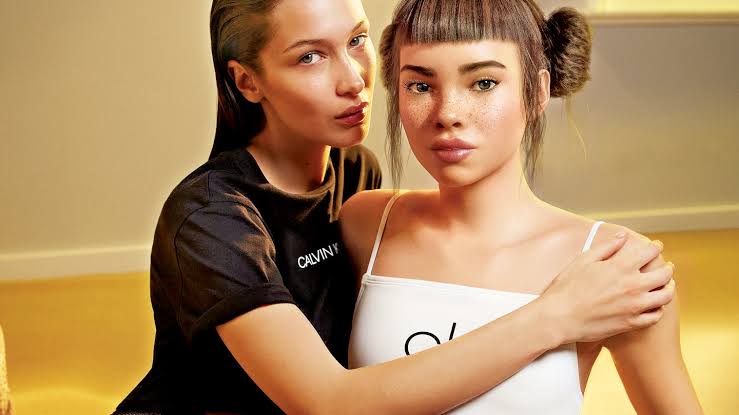
The world of entertainment and social media is changing faster than ever before. In recent years, artificial intelligence has transformed the way content is created, shared, and consumed. One of the most fascinating developments is the rise of AI-generated influencers who compete alongside traditional stars for audience attention. The discussion surrounding AI Influencers vs Human Celebrities has become increasingly important as brands, marketers, and fans question who truly holds the power in the modern entertainment industry.
Human celebrities have spent decades building careers through talent, personality, and public appearances. From actors and musicians to athletes and television personalities, these individuals connect with audiences through real-life experiences and authentic emotions. AI influencers, on the other hand, are virtual personalities created using advanced artificial intelligence, computer graphics, and digital storytelling. Although they are not real people, many have millions of followers and collaborate with major global brands.
This article explores the differences, advantages, challenges, and future of AI Influencers vs Human Celebrities, helping readers understand how technology is reshaping fame in the digital age.
What Are AI Influencers?
AI influencers are computer-generated personalities designed to appear and behave like real people on social media platforms. These virtual creators post photos, videos, fashion updates, travel content, and lifestyle recommendations just like traditional influencers.
Powered by artificial intelligence, machine learning, and advanced animation, AI influencers interact with followers, participate in marketing campaigns, and even develop fictional personalities that attract loyal fan bases.
Unlike humans, AI influencers never age, become tired, or experience scandals unless intentionally written into their story. Their creators control every aspect of their appearance, personality, and online presence.
Popular AI influencers have proven that audiences are willing to engage with virtual personalities if the content is entertaining and visually appealing.
Who Are Human Celebrities?
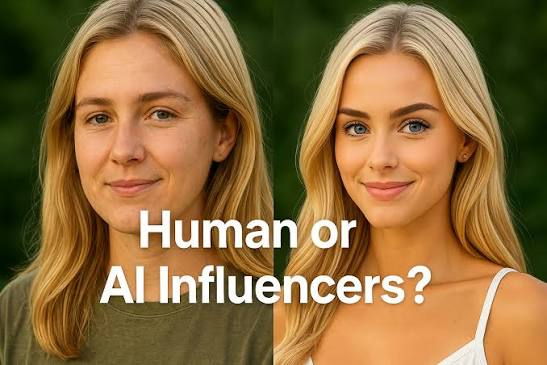
Human celebrities are real individuals who achieve fame through acting, music, sports, business, modeling, social media, or other forms of entertainment. Their popularity often comes from genuine achievements, talent, and years of dedication.
Unlike AI personalities, human celebrities experience real emotions, personal growth, successes, failures, and challenges. These authentic experiences help fans develop emotional connections that often last for decades.
Whether attending award ceremonies, starring in blockbuster films, releasing chart-topping albums, or supporting charitable causes, human celebrities continue to influence culture around the world.
AI Influencers vs Human Celebrities: Major Differences
The comparison between AI Influencers vs Human Celebrities highlights several key differences.
Authenticity
Human celebrities share real-life experiences, making their stories relatable and emotionally meaningful.
AI influencers rely on fictional storytelling created by developers and marketing teams. While engaging, their experiences are carefully scripted.
Creativity

Human creators naturally generate ideas through personal experiences and emotions.
AI influencers produce content based on programmed creativity and guidance from designers.
Availability
AI influencers can create content around the clock without vacations or scheduling conflicts.
Human celebrities require time for filming, traveling, performances, and personal life.
Public Image
Human celebrities may face controversies, scandals, or unexpected situations.
AI influencers maintain carefully controlled reputations because every post is managed by creators.
Why Brands Love AI Influencers

Many companies have started collaborating with AI influencers because they offer several marketing advantages.
Complete Brand Control
Every campaign can be carefully planned without worrying about unpredictable behavior.
Consistent Content
AI influencers can publish high-quality content regularly without interruptions.
Lower Long-Term Costs
Although creating a virtual influencer requires significant investment, maintaining one may become more cost-effective over time.
Global Reach
AI influencers can easily communicate with audiences worldwide using multiple languages and personalized content.
These benefits make virtual personalities attractive options for fashion, beauty, technology, and gaming brands.
Why Human Celebrities Still Dominate
Despite rapid technological advances, human celebrities continue to enjoy significant advantages.
Emotional Connection
Fans admire real personalities because they share genuine experiences, struggles, and achievements.
Real Talent
Actors, singers, athletes, and performers demonstrate skills developed through years of practice.
Trust
Consumers often trust recommendations from people they know are real.
Live Experiences
Concerts, interviews, sporting events, and public appearances create unforgettable memories that AI influencers cannot truly replicate.
These strengths ensure that human celebrities remain valuable in entertainment and marketing.
Social Media and Digital Influence
Social media has transformed how fame is created. Platforms like Instagram, TikTok, YouTube, and X allow both AI influencers and human celebrities to reach millions of followers instantly.
AI influencers excel at maintaining consistent posting schedules, polished visuals, and perfectly planned campaigns.
Human celebrities often create stronger engagement because audiences appreciate behind-the-scenes moments, personal stories, and authentic interactions.
As algorithms evolve, both types of influencers continue competing for attention in increasingly crowded digital spaces.
The Marketing Battle
The debate surrounding AI Influencers vs Human Celebrities is especially important for advertisers.
Brands consider several factors before selecting ambassadors:
- Audience demographics
- Campaign objectives
- Budget
- Brand image
- Product category
- Consumer trust
Luxury fashion brands may choose AI influencers for futuristic campaigns, while sports companies often prefer real athletes because their achievements inspire customers.
Increasingly, companies combine both AI and human influencers to maximize campaign performance.
Ethical Concerns
The growth of AI influencers raises important ethical questions.
Transparency
Audiences deserve to know whether they are interacting with real people or virtual personalities.
Employment
Some worry that AI influencers could reduce opportunities for human models, actors, and content creators.
Misinformation
Highly realistic AI-generated content can confuse audiences if not properly disclosed.
Unrealistic Beauty Standards
Virtual influencers often represent physically impossible appearances, potentially affecting viewers’ self-image.
Governments, technology companies, and marketers continue discussing regulations that encourage responsible AI usage.
The Future of Entertainment
The future of AI Influencers vs Human Celebrities will likely involve collaboration rather than competition.
Entertainment companies already use AI for:
- Virtual concerts
- Digital brand ambassadors
- Interactive storytelling
- Personalized advertising
- Virtual customer service
- AI-generated fashion campaigns
Meanwhile, human celebrities increasingly use artificial intelligence to edit videos, create visual effects, manage social media, and improve fan engagement.
Instead of replacing people, AI may become a powerful tool that enhances creativity.
Advantages of AI Influencers
Some major benefits include:
- Available 24/7
- No scheduling conflicts
- Fully customizable appearance
- Consistent branding
- Easy multilingual communication
- Scalable marketing campaigns
- No aging limitations
- High visual consistency
These features make AI influencers attractive for long-term digital marketing strategies.
Advantages of Human Celebrities
Human celebrities continue to offer qualities that technology cannot easily replace.
These include:
- Authentic emotions
- Real-life achievements
- Personal experiences
- Strong emotional storytelling
- Genuine fan relationships
- Live performances
- Cultural impact
- Inspirational journeys
These characteristics help maintain lasting audience loyalty.
Can AI Replace Human Celebrities?
Although AI technology continues advancing rapidly, complete replacement remains unlikely.
Entertainment depends heavily on human emotion, creativity, spontaneity, and personal experiences. Fans enjoy watching real people overcome challenges, celebrate successes, and share meaningful moments.
AI influencers may become more sophisticated, but many consumers still value authenticity above perfection.
The future will likely feature both virtual personalities and real celebrities working together across entertainment, advertising, education, and social media.
Conclusion
The debate over AI Influencers vs Human Celebrities represents one of the most fascinating developments in modern entertainment. AI influencers bring innovation, consistency, and limitless creative possibilities, making them valuable marketing tools for brands seeking digital engagement. Human celebrities, however, continue to offer authenticity, emotional depth, real-life talent, and meaningful personal connections that technology cannot fully replicate.
Rather than viewing the relationship as a battle, it is more accurate to see it as an evolution of the entertainment industry. As artificial intelligence becomes more advanced, virtual influencers will continue gaining popularity, while human celebrities adapt by embracing new technologies to connect with audiences in fresh and exciting ways.
Ultimately, the future of fame will likely combine the strengths of both worlds, creating richer experiences for fans and more innovative opportunities for creators and brands alike.
Frequently Asked Questions (FAQs)
1. What are AI influencers?
AI influencers are virtual personalities created using artificial intelligence and computer-generated graphics to produce social media content.
2. How are AI influencers different from human celebrities?
AI influencers are digitally created and managed by developers, while human celebrities are real individuals known for their talent and achievements.
3. Why do brands work with AI influencers?
Brands appreciate AI influencers for their consistent content, controlled image, and ability to support creative marketing campaigns.
4. Can AI influencers replace human celebrities?
No. While AI influencers are growing in popularity, human celebrities still offer authenticity, emotional connection, and real-life experiences that audiences value.
5. What is the future of AI influencers and human celebrities?
The future is expected to include collaboration between AI influencers and human celebrities, allowing both to play important roles in entertainment and digital marketing.