

Hair plays a significant role in shaping our identity, confidence, and overall appearance. For many people, dealing with thinning hair or hair loss can be emotionally challenging and impact self-esteem. Fortunately, modern hair solutions have evolved significantly, offering natural-looking and comfortable options. One such solution gaining popularity is hair toppers. In this article, Hair Toppers Explained will walk you through everything you need to know about this innovative hair accessory—from what they are and how they work to their benefits, types, and maintenance tips. Whether you are new to the concept or considering trying one, this guide will provide you with valuable insights to make an informed decision.
What Are Hair Toppers?
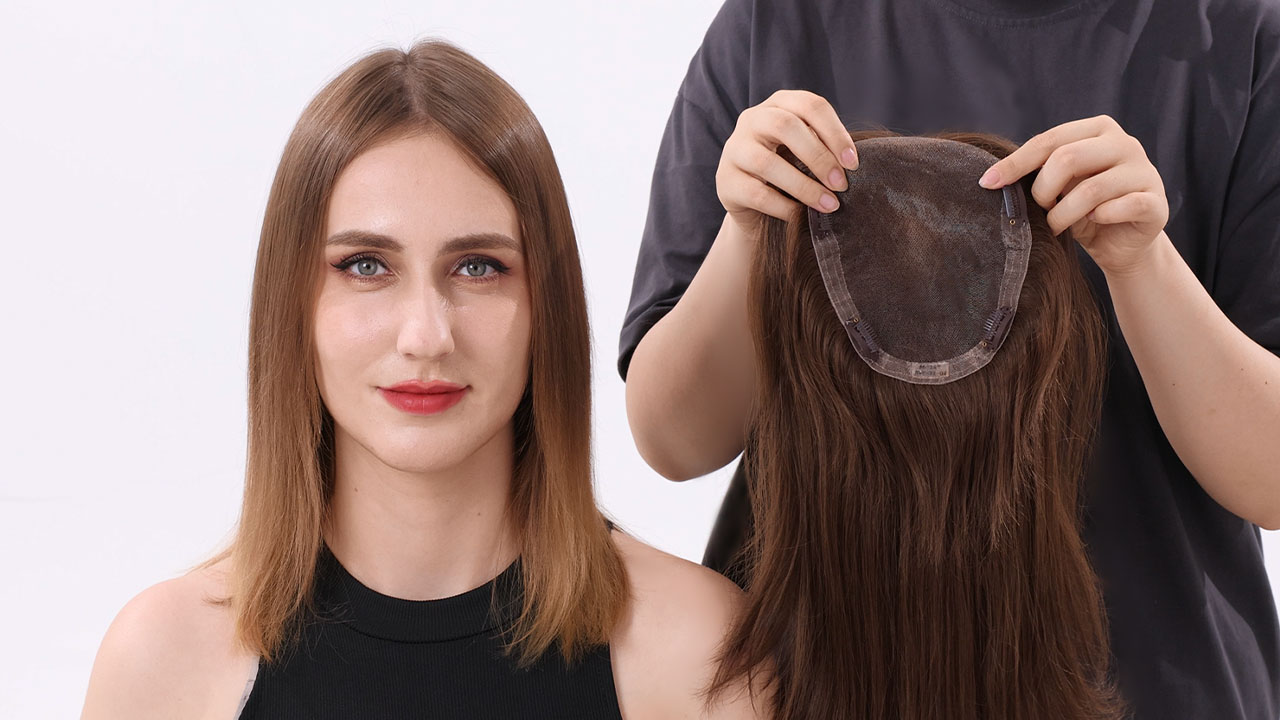
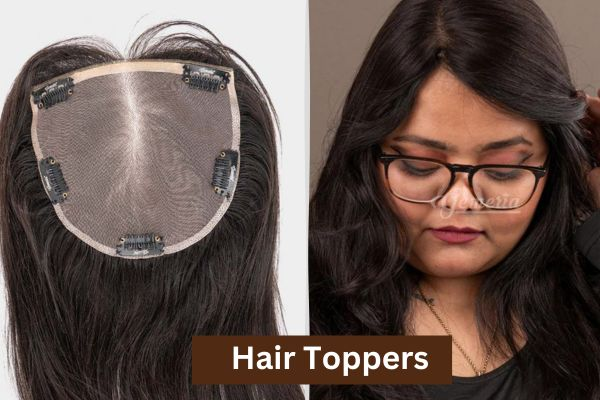
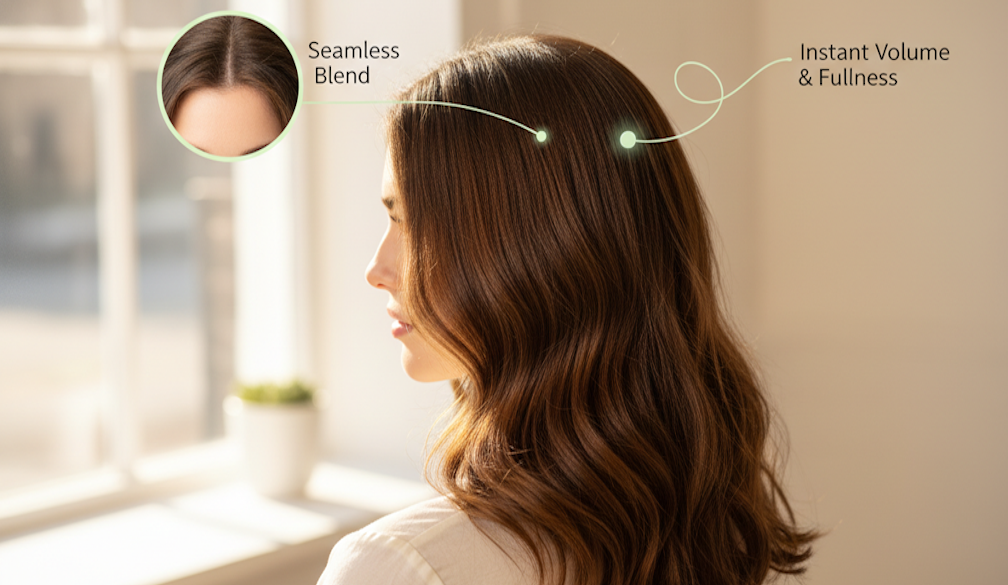
Hair toppers, sometimes referred to as wiglets or top pieces, are lightweight hairpieces designed specifically to cover thinning areas on the top or crown of the head. Unlike full wigs, which cover the entire scalp, hair toppers blend seamlessly with your natural hair, adding volume and coverage where it’s needed most. They are typically attached using clips, tapes, or integration systems, ensuring a secure and comfortable fit.
The beauty of hair toppers lies in their versatility and natural appearance. They come in various sizes, textures, and colors, allowing users to match their natural hair perfectly. For individuals experiencing mild to moderate hair thinning, hair toppers offer a practical and less invasive alternative to other hair restoration methods.
Why Choose Hair Toppers?
When exploring solutions for hair thinning or hair loss, hair toppers stand out for several reasons. First, they are incredibly easy to use. Unlike surgical procedures or long-term treatments, hair toppers provide instant results. You can simply clip them in and enjoy fuller-looking hair within minutes.
Another major advantage is their affordability compared to other hair restoration options. Hair toppers are available at a wide range of price points, making them accessible to many individuals. Additionally, they are non-damaging, meaning they do not harm your natural hair when used correctly.
Hair toppers also allow for styling flexibility. You can curl, straighten, or even dye some toppers depending on the material, especially if they are made from human hair. This means you can maintain your personal style without compromise.
Types of Hair Toppers
Understanding the different types of hair toppers is essential when choosing the right one for your needs. They generally vary based on size, base material, and hair type.
1. Based on Coverage Size
Hair toppers come in various sizes to suit different levels of hair thinning. Smaller toppers are ideal for early-stage thinning, while larger ones provide more extensive coverage for advanced hair loss. Choosing the right size ensures a natural blend with your existing hair.
2. Based on Base Material
The base of a hair topper plays a crucial role in comfort and realism. Lace bases are lightweight and breathable, making them ideal for hot climates. Monofilament bases mimic the natural scalp, allowing for realistic parting. Silk bases offer the most natural appearance but may be slightly heavier.
3. Based on Hair Type
Hair toppers are typically made from either synthetic fibers or human hair. Synthetic toppers are more affordable and require less maintenance, but they may have limited styling options. Human hair toppers, on the other hand, offer a more natural look and greater styling flexibility, though they require more care.
How to Choose the Right Hair Topper
Selecting the perfect hair topper can seem overwhelming, but focusing on a few key factors can simplify the process. Start by assessing your level of hair thinning and identifying the areas you want to cover. This will help determine the size and type of topper you need.
Next, consider your lifestyle. If you prefer low-maintenance solutions, a synthetic topper might be suitable. However, if you enjoy styling your hair frequently, investing in a human hair topper may be a better choice.
Color matching is another critical aspect. Many brands offer a wide range of shades, and some even provide color-matching services. Choosing a topper that closely matches your natural hair ensures a seamless and undetectable finish.
How to Wear Hair Toppers
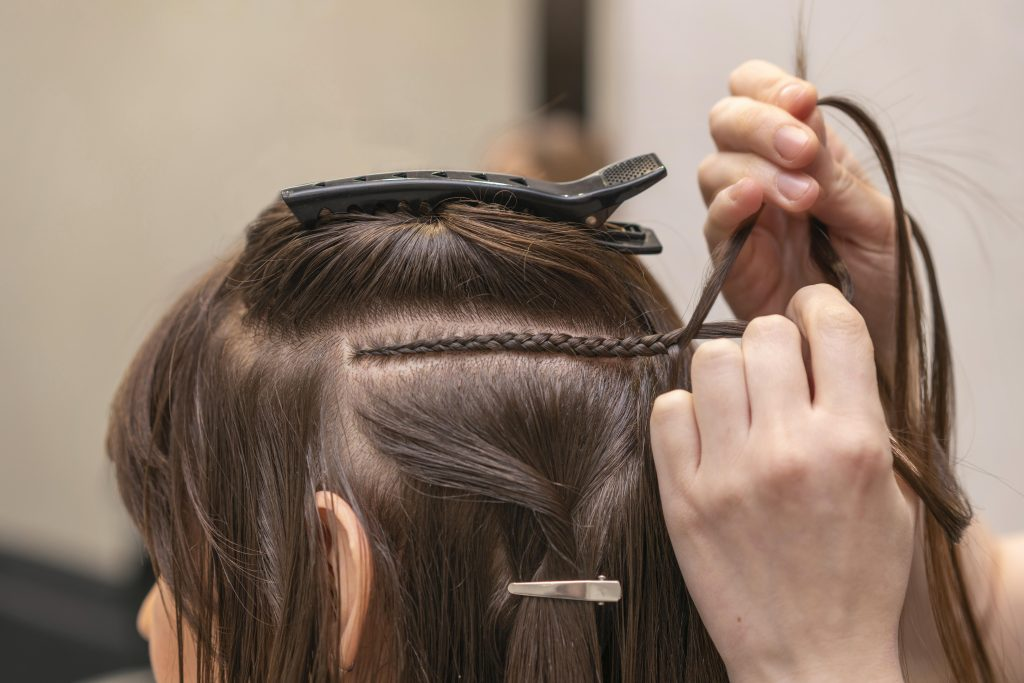
Wearing a hair topper is relatively simple, but proper application is key to achieving a natural look. Begin by sectioning your hair where the topper will be placed. Open the clips on the topper and position it over the thinning area. Secure the clips by gently snapping them shut, ensuring they grip your natural hair without pulling.
Once attached, blend the topper with your natural hair using a comb or your fingers. Styling tools can also be used to create a cohesive look. With practice, applying a hair topper becomes quick and effortless.
Benefits of Hair Toppers
Hair toppers offer numerous benefits that make them an appealing choice for many individuals. One of the most significant advantages is the boost in confidence they provide. Fuller hair can enhance your appearance and help you feel more like yourself.
They are also highly versatile, suitable for various occasions—from daily wear to special events. Additionally, hair toppers are lightweight and breathable, ensuring comfort even during extended use.
Another benefit is their non-permanent nature. Unlike other hair treatments, hair toppers can be removed at any time, giving you complete control over your look.
Maintenance and Care
Proper care is essential to extend the lifespan of your hair topper. Regular cleaning helps maintain its appearance and hygiene. Use gentle shampoos and conditioners designed for wigs or hairpieces, and avoid excessive heat if you’re using a synthetic topper.
When not in use, store your topper on a stand or in a protective case to prevent tangling and damage. Brushing it gently with a wide-tooth comb can help maintain its smooth texture.
For human hair toppers, occasional deep conditioning treatments can keep the hair soft and manageable. Following these simple care tips ensures your topper remains in excellent condition for a long time.
Common Misconceptions About Hair Toppers
Despite their growing popularity, there are still some misconceptions surrounding hair toppers. One common myth is that they look unnatural. In reality, modern hair toppers are designed with advanced technology to mimic the appearance of natural hair and scalp.
Another misconception is that they are uncomfortable. When properly fitted, hair toppers are lightweight and barely noticeable. Some people also believe that hair toppers are only for older individuals, but they are suitable for anyone experiencing hair thinning, regardless of age.
Conclusion
In conclusion, Hair Toppers Explained highlights a practical, stylish, and confidence-boosting solution for individuals dealing with hair thinning or hair loss. With their natural appearance, ease of use, and versatility, hair toppers have become a go-to option for many people worldwide. By understanding the different types, choosing the right one, and maintaining it properly, you can enjoy the benefits of fuller, beautiful hair every day. Whether you’re looking for a temporary fix or a long-term solution, hair toppers offer a reliable and effective way to enhance your look and confidence.
Frequently Asked Questions (FAQs)
1. What are hair toppers used for?
Hair toppers are used to cover thinning hair or bald spots on the top or crown of the head while blending with natural hair.
2. Are hair toppers suitable for everyday use?
Yes, hair toppers are lightweight and comfortable, making them ideal for daily wear.
3. Can I style my hair topper with heat tools?
Human hair toppers can be styled with heat tools, while most synthetic toppers have limited heat resistance.
4. How long do hair toppers last?
With proper care, hair toppers can last several months to over a year, depending on the quality and usage.
5. Do hair toppers damage natural hair?
No, when used correctly, hair toppers do not damage natural hair and are considered a safe hair solution.