


Introduction
In today’s digital world, technology has become an essential part of everyday life. From checking emails in the morning to scrolling through social media before bed, many people spend several hours each day looking at screens. Smartphones, tablets, laptops, and smart televisions make work easier, help us stay connected, and provide endless entertainment. However, excessive screen time can also affect physical health, mental well-being, relationships, productivity, and sleep quality. This is why learning and practicing digital detox tips has become increasingly important for people of all ages.
A digital detox does not mean giving up technology completely. Instead, it involves creating healthier habits around technology use so that digital devices serve your life rather than control it. Even small changes, such as reducing unnecessary screen time, limiting social media use, or setting aside phone-free hours, can make a noticeable difference in your daily routine.
This guide explores practical and realistic digital detox tips that anyone can follow. Whether you work from home, study online, or simply want to spend more quality time with family and friends, these strategies can help you achieve a healthier balance between your digital and real-world life.
Why a Digital Detox Is Important
Technology offers countless benefits, but overusing digital devices can create challenges that often go unnoticed. Constant notifications, endless scrolling, and the pressure to stay connected can lead to mental fatigue and unnecessary stress.
Some common signs that you may need a digital detox include:
- Frequently checking your phone without a reason
- Feeling anxious when your phone is not nearby
- Difficulty concentrating on important tasks
- Poor sleep caused by late-night screen use
- Spending less quality time with family and friends
- Feeling overwhelmed by constant notifications
- Reduced productivity during work or study hours
Following digital detox tips can help you regain control of your time and improve your overall well-being without completely disconnecting from technology.
Benefits of Following Digital Detox Tips
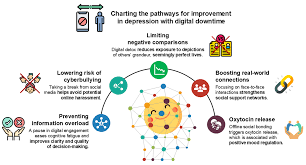
Creating healthier digital habits offers benefits that extend beyond simply reducing screen time.
Better Mental Health
Constant exposure to news, social media, and online discussions can increase stress and anxiety. Taking regular breaks from digital devices allows your mind to relax, improving emotional well-being and reducing mental exhaustion.
Improved Sleep Quality
Using smartphones or tablets before bedtime exposes your eyes to blue light, which can interfere with melatonin production. This makes it harder to fall asleep and enjoy deep, restful sleep. One of the most effective digital detox tips is avoiding screens at least one hour before bedtime.
Increased Productivity
Digital distractions can interrupt your focus throughout the day. Notifications, messages, and social media updates often reduce efficiency. Limiting these interruptions allows you to complete tasks faster and with greater concentration.
Stronger Relationships
Spending less time on devices creates more opportunities for meaningful conversations with family, friends, and colleagues. Being fully present during meals, gatherings, or conversations strengthens personal connections.
Better Physical Health
Extended screen time often encourages a sedentary lifestyle. Reducing device use can motivate you to walk, exercise, spend time outdoors, or participate in hobbies that improve physical fitness.
Assess Your Current Screen Time

Before making changes, it is helpful to understand how much time you actually spend using digital devices.
Most smartphones include built-in screen time tracking features that show:
- Daily phone usage
- Most-used apps
- Number of device pickups
- Notification counts
Reviewing this information can help identify where your time is going. Many people are surprised to discover that social media or entertainment apps consume several hours each day.
Once you understand your habits, it becomes easier to apply digital detox tips that target the biggest sources of distraction.
Set Realistic Goals
A successful digital detox starts with achievable goals rather than extreme restrictions.
Instead of deciding never to use social media again, try goals such as:
- Reduce screen time by one hour each day.
- Avoid checking your phone during meals.
- Stay offline for one evening every week.
- Keep your phone away during work sessions.
- Spend thirty minutes reading instead of scrolling.
Small improvements are much easier to maintain over the long term and gradually become healthy habits.
Turn Off Unnecessary Notifications

Notifications constantly compete for your attention. Every vibration, sound, or popup interrupts your focus and encourages you to check your phone.
Review your notification settings and disable alerts for apps that are not essential.
Consider keeping notifications only for:
- Phone calls
- Text messages
- Calendar reminders
- Important work applications
Reducing unnecessary alerts is one of the simplest digital detox tips because it immediately decreases digital interruptions throughout the day.
Create Phone-Free Zones
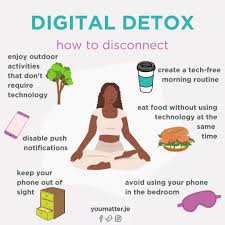
One effective strategy is to designate certain areas of your home where digital devices are not allowed.
Examples include:
The Dining Table
Meals should be an opportunity for conversation and mindful eating instead of scrolling through social media.
The Bedroom
Keeping phones outside the bedroom encourages better sleep and reduces late-night browsing.
Family Time
Whether watching a movie, playing games, or spending time together, placing phones aside helps everyone stay engaged in the moment.
Phone-free spaces encourage healthier routines while improving communication and reducing unnecessary distractions.
Schedule Daily Offline Time
Instead of trying to avoid technology all day, choose specific periods for complete disconnection.
Examples include:
- The first hour after waking up
- During exercise
- Family dinners
- One hour before bedtime
- Weekend mornings
These planned breaks allow your brain to recharge while helping you become more mindful of your technology use.
Consistently scheduling offline time is among the most practical digital detox tips because it creates a sustainable routine rather than a temporary challenge.
Replace Screen Time with Meaningful Activities
Reducing digital use becomes much easier when you replace it with enjoyable alternatives.
Healthy activities include:
- Reading books
- Walking outdoors
- Gardening
- Cooking new recipes
- Exercising
- Painting or drawing
- Writing in a journal
- Learning a musical instrument
- Practicing meditation
- Spending time with loved ones
The goal is not simply to use technology less but to spend your time doing activities that improve your physical and mental well-being.
Practice Mindful Social Media Use
Social media is often the biggest contributor to excessive screen time. Instead of opening apps automatically whenever you feel bored, become more intentional about how you use them.
Ask yourself simple questions before opening an app:
- Why am I checking this?
- Is this necessary right now?
- Will this improve my day?
- Am I simply bored?
Being aware of your habits helps break the cycle of mindless scrolling.
Using social media with purpose is one of the most valuable digital detox tips because it helps you stay informed without becoming overwhelmed.
Declutter Your Digital Life
A digital detox is not only about reducing screen time but also about organizing your digital environment. Many people have hundreds of unused apps, thousands of unread emails, and countless files stored on their devices. This digital clutter can create stress and make it harder to focus on important tasks. Taking time to clean up your devices helps create a more organized and productive digital experience.
Start by deleting apps you no longer use, especially those that encourage endless scrolling or unnecessary distractions. Unsubscribe from promotional emails that fill your inbox every day. Organize your photos into folders, remove duplicate files, and back up important documents. Cleaning your digital space makes your devices easier to use while supporting your digital detox tips journey.
Start Your Day Without Your Phone
Many people reach for their phones within minutes of waking up. Checking emails, news updates, or social media first thing in the morning can immediately increase stress and distract you from starting the day calmly.
Instead, create a healthier morning routine by avoiding screens for the first 30 to 60 minutes after waking up. You can use this time to stretch, exercise, meditate, enjoy breakfast, read a book, or plan your day. These simple activities help improve focus and set a positive tone for the rest of the day.
One of the most effective digital detox tips is beginning each morning with intention rather than notifications.
Build Healthy Evening Habits
The way you spend your evenings has a significant impact on your sleep and overall well-being. Excessive screen time before bed can overstimulate your brain, making it difficult to relax and fall asleep.
Create a bedtime routine that encourages relaxation. Turn off electronic devices at least one hour before sleeping and replace screen time with calming activities such as reading, journaling, gentle stretching, or listening to soothing music. You can also keep your phone outside the bedroom and use a traditional alarm clock instead.
These habits help improve sleep quality while making your digital detox more sustainable.
Spend More Time Outdoors
Nature provides one of the best opportunities to disconnect from technology. Fresh air, sunlight, and physical activity naturally reduce stress while improving mood and energy levels.
Go for a walk in your neighborhood, visit a local park, ride a bicycle, or simply sit outside with a book. Outdoor activities reduce the temptation to constantly check your phone and encourage mindfulness.
Replacing screen time with outdoor experiences is one of the easiest digital detox tips to practice consistently.
Practice Digital Detox at Work
For many professionals, completely avoiding technology during work hours is impossible. However, you can still reduce unnecessary digital distractions.
Try these workplace strategies:
- Check email at scheduled times instead of constantly refreshing your inbox.
- Turn off non-essential desktop notifications.
- Keep your phone on silent while working.
- Use the Pomodoro Technique by focusing for 25–50 minutes followed by a short break.
- Close unnecessary browser tabs to improve concentration.
These habits increase productivity while reducing mental fatigue throughout the workday.
Encourage the Whole Family to Join
A digital detox becomes more enjoyable when everyone participates. Families can create simple rules that encourage spending quality time together without screens.
Some ideas include:
- Device-free family dinners.
- Board game nights.
- Weekend outdoor activities.
- Reading together before bedtime.
- Family walks after dinner.
Parents also play an important role by modeling healthy technology habits. Children are more likely to develop balanced screen habits when they see adults doing the same.
Know When Technology Is Helpful
A digital detox does not mean technology is bad. Digital tools make communication easier, support education, simplify work, and provide access to valuable information. The goal is to use technology intentionally rather than allowing it to control your attention.
Ask yourself whether a particular app or activity adds value to your life. If it helps you learn, work, connect with loved ones, or improve your skills, it is likely a healthy use of technology. If it mainly wastes time or leaves you feeling stressed, consider limiting its use.
Finding this balance is at the heart of successful digital detox tips.
Common Mistakes to Avoid
While starting a digital detox, many people make mistakes that make the process harder than necessary.
Avoid these common pitfalls:
- Trying to quit all technology at once.
- Setting unrealistic goals.
- Replacing one distracting app with another.
- Ignoring the reasons behind excessive screen use.
- Returning to old habits after only a few days.
Remember that lasting change comes from consistent small improvements rather than extreme restrictions.
Make Digital Detox a Lifestyle
A digital detox should not be viewed as a one-time challenge. Instead, it works best as a long-term lifestyle change that supports healthier habits every day.
You may choose to schedule one screen-free evening each week, enjoy regular outdoor activities, or continue limiting social media usage. Over time, these small habits become part of your daily routine, making it easier to maintain a balanced relationship with technology.
Consistency is far more valuable than perfection. Even if you occasionally spend more time online than planned, simply return to your healthy habits the next day.
Conclusion
Technology has transformed the way we communicate, learn, work, and entertain ourselves. While digital devices provide many benefits, excessive screen time can negatively affect our physical health, mental well-being, productivity, and personal relationships. Fortunately, making small, consistent changes can help restore balance.
Following practical digital detox tips such as reducing unnecessary notifications, creating phone-free zones, limiting social media, spending more time outdoors, improving bedtime routines, and replacing screen time with meaningful activities allows you to enjoy technology without becoming dependent on it. A successful digital detox is not about eliminating technology—it is about using it intentionally and responsibly.
By gradually adopting these habits, you can reduce stress, improve focus, sleep better, strengthen relationships, and create a healthier lifestyle. Start with one or two simple changes today, remain consistent, and you’ll soon notice the positive impact of a balanced digital life.
Frequently Asked Questions (FAQs)
1. What is a digital detox?
A digital detox is a period during which you intentionally reduce or limit the use of digital devices to improve your mental, physical, and emotional well-being.
2. How often should I do a digital detox?
You can practice digital detox habits every day by setting screen-free hours or schedule a longer detox once a week or month.
3. What are the benefits of digital detox tips?
Digital detox tips can improve focus, reduce stress, enhance sleep quality, strengthen relationships, and increase productivity.
4. Can I do a digital detox while working?
Yes. You can reduce unnecessary notifications, limit social media, and take regular screen breaks while still using technology for work.
5. Is a digital detox suitable for everyone?
Yes. People of all ages can benefit from healthier technology habits by adjusting their screen time according to their personal and professional needs.