


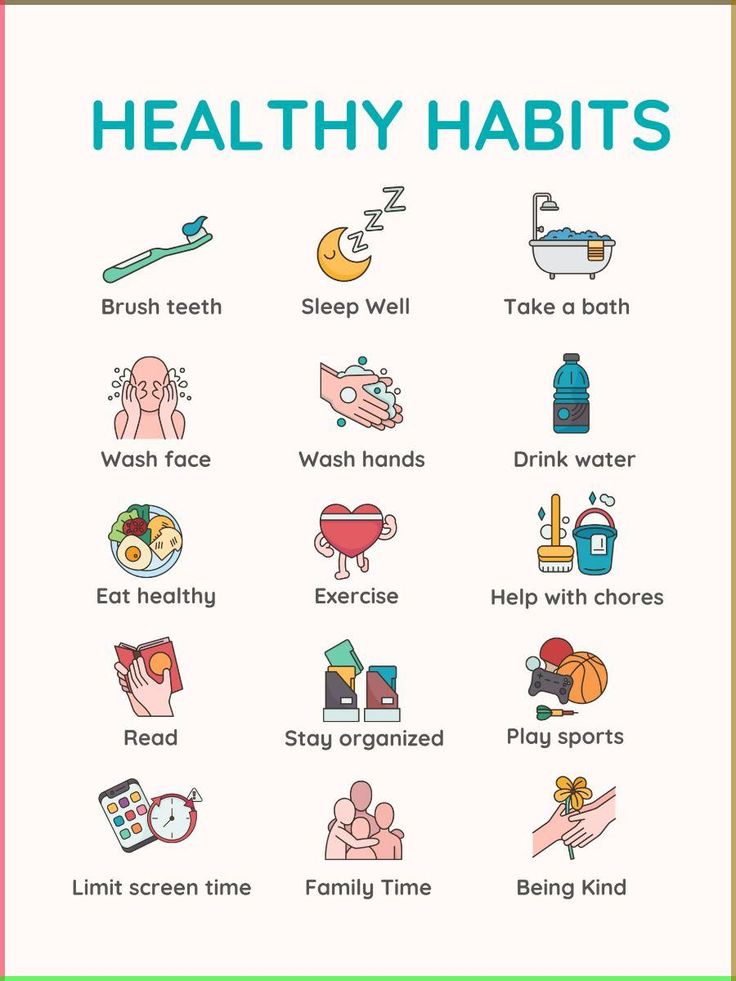
Developing healthy habits for beginners is one of the most effective ways to improve overall well-being and create a better quality of life. Many people believe that becoming healthier requires major lifestyle changes, strict diets, or intense exercise routines. However, lasting health improvements often come from small, consistent actions practiced every day. Healthy habits help improve physical fitness, mental wellness, energy levels, and productivity while reducing the risk of many health problems.
For beginners, the key is to start small and focus on building routines that are realistic and sustainable. Healthy living is not about perfection. It is about making better choices consistently and allowing those choices to become part of your daily lifestyle. By adopting healthy habits gradually, anyone can create a strong foundation for long-term wellness.
Why Healthy Habits Matter
Healthy habits influence nearly every aspect of life. The food you eat, the amount of sleep you get, how active you are, and even how you manage stress all affect your physical and mental health. Positive habits improve mood, strengthen the immune system, support healthy weight management, and increase daily energy.
When healthy behaviors become routine, they require less effort and willpower. Instead of constantly making difficult decisions, your healthy choices become automatic. This makes it easier to maintain good health over time and avoid falling back into unhealthy patterns.
For beginners, understanding the value of healthy habits can provide motivation to start making positive changes. Every small improvement contributes to a healthier future.
Start Your Day with a Consistent Morning Routine
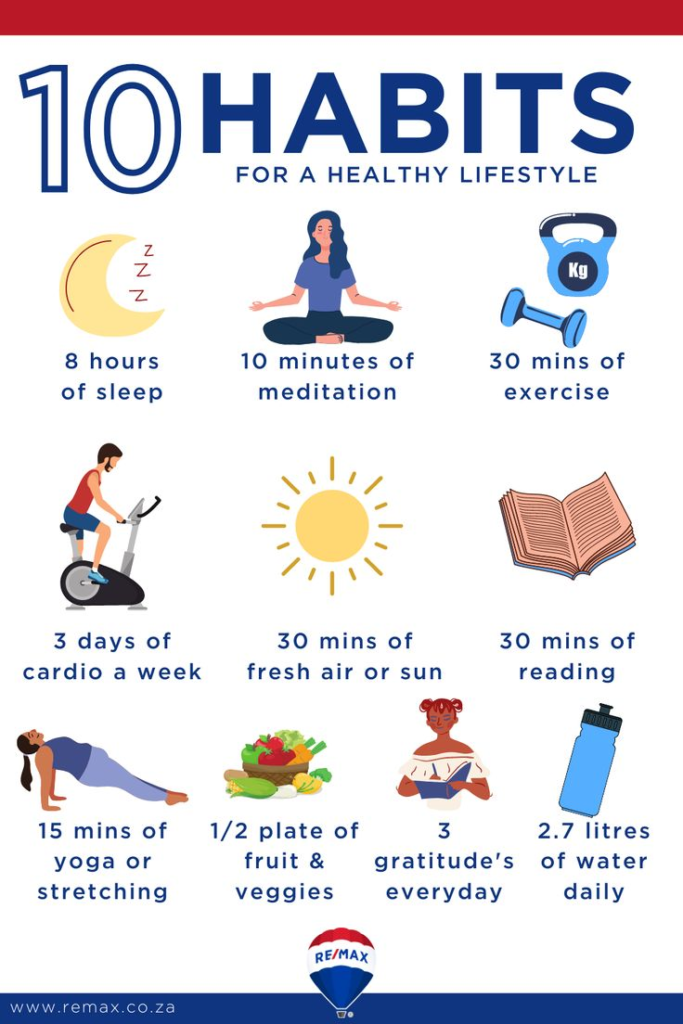
One of the best healthy habits for beginners is establishing a simple morning routine. The way you start your day often influences your energy, focus, and productivity throughout the day.
A healthy morning routine does not need to be complicated. Wake up at a consistent time, drink a glass of water, stretch for a few minutes, and eat a nutritious breakfast. These simple actions help your body wake up naturally and prepare you for the day ahead.
A structured morning routine can also reduce stress and create a sense of control. Instead of rushing through the morning, you begin the day feeling organized and ready to tackle your responsibilities.
Drink More Water Every Day
Proper hydration is essential for overall health. Water supports digestion, circulation, temperature regulation, and many other important bodily functions. Unfortunately, many people do not drink enough water throughout the day.
For beginners, increasing water intake is one of the easiest healthy habits to adopt. Carry a reusable water bottle and make a conscious effort to drink regularly. Drinking water before meals can also help with portion control and digestion.
Staying hydrated may improve concentration, reduce fatigue, and support healthy skin. While individual needs vary, aiming for adequate daily water intake is a simple step toward better health.
Focus on Balanced Nutrition
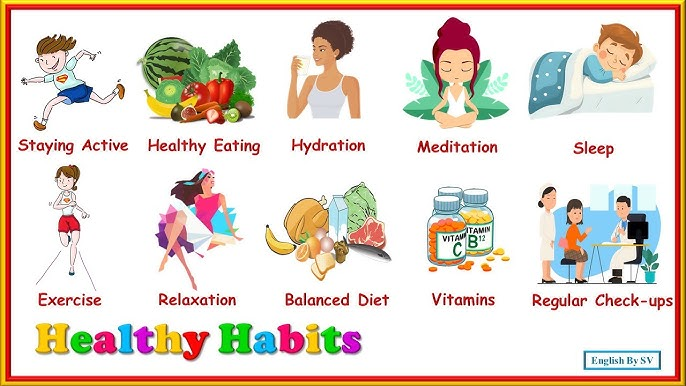
Healthy eating does not mean following restrictive diets or eliminating all favorite foods. Instead, healthy habits for beginners should focus on creating a balanced approach to nutrition.
Try to include a variety of fruits, vegetables, whole grains, lean proteins, and healthy fats in your meals. These nutrient-rich foods provide the vitamins and minerals needed for optimal health. Reducing processed foods, sugary drinks, and excessive fast food consumption can also have a positive impact.
Meal planning can be especially helpful for beginners. Preparing meals ahead of time reduces the temptation to make unhealthy food choices when busy or tired. Small improvements in eating habits often lead to noticeable increases in energy and overall wellness.
Make Physical Activity a Daily Habit
Regular exercise is one of the most important healthy habits for beginners. Physical activity strengthens the heart, improves muscle function, boosts mood, and supports weight management.
Many beginners feel intimidated by exercise because they believe they need to spend hours at the gym. In reality, even short periods of activity can provide significant benefits. Walking, cycling, stretching, swimming, or home workouts are all excellent options.
Start with manageable goals such as a 20-minute walk each day. As fitness levels improve, gradually increase the duration and intensity of exercise. The most effective exercise routine is one that you enjoy and can maintain consistently.
Prioritize Quality Sleep

Sleep is often overlooked when discussing health, but it plays a critical role in physical and mental well-being. Poor sleep can affect concentration, mood, immune function, and overall health.
One of the most valuable healthy habits for beginners is creating a consistent sleep schedule. Aim to go to bed and wake up at the same time each day, even on weekends. Establishing a calming bedtime routine can also improve sleep quality.
Limiting screen time before bed, reducing caffeine intake in the evening, and creating a comfortable sleep environment can help support better rest. Quality sleep allows the body to recover, repair, and function at its best.
Manage Stress in Healthy Ways
Stress is a normal part of life, but chronic stress can negatively impact both physical and mental health. Learning healthy stress management techniques is an important step for beginners.
Simple practices such as deep breathing, meditation, journaling, and spending time outdoors can help reduce stress levels. Taking short breaks during the day and setting realistic expectations can also improve emotional well-being.
Managing stress effectively allows you to maintain healthier habits and improve overall quality of life. It also supports better sleep, stronger relationships, and improved focus.
Limit Screen Time and Digital Distractions
Modern technology provides many benefits, but excessive screen time can affect sleep, productivity, and mental health. Many people spend hours scrolling through social media or using electronic devices without realizing how much time has passed.
Healthy habits for beginners should include setting boundaries around technology use. Designate screen-free times during the day, especially before bedtime. Consider replacing some screen time with reading, exercise, or spending time with family and friends.
Reducing digital distractions can improve concentration, support mental wellness, and create more opportunities for meaningful activities.
Practice Mindful Eating
Mindful eating involves paying attention to your food and eating experience without distractions. This habit encourages better food choices and helps prevent overeating.
Many people eat while watching television, working, or using their phones. These distractions often lead to consuming more food than necessary. By eating slowly and focusing on each bite, you become more aware of hunger and fullness signals.
For beginners, mindful eating is a practical strategy for developing a healthier relationship with food. It promotes better digestion and encourages more intentional eating habits.
Build Healthy Habits Gradually
One common mistake beginners make is trying to change everything at once. While enthusiasm is valuable, making too many changes simultaneously often leads to burnout and frustration.
Instead, focus on one or two healthy habits at a time. Once those habits become part of your routine, introduce new ones. This gradual approach increases the likelihood of long-term success.
Remember that progress is more important than perfection. Small improvements made consistently can produce significant results over time.
Stay Consistent and Track Progress
Consistency is the foundation of lasting healthy habits. Even when motivation decreases, maintaining simple routines helps keep you moving forward.
Tracking your progress can provide encouragement and accountability. Use a journal, mobile app, or habit tracker to monitor daily activities. Celebrating small achievements reinforces positive behavior and helps maintain momentum.
Healthy living is a lifelong journey. The goal is not to be perfect but to continuously make choices that support your health and well-being.
Conclusion
Healthy habits for beginners do not require dramatic lifestyle changes. In fact, the most effective habits are often the simplest ones. Drinking more water, eating balanced meals, exercising regularly, managing stress, and getting enough sleep are all powerful actions that contribute to better health.
The key to success is starting small and remaining consistent. By focusing on gradual improvements, beginners can build routines that become permanent parts of daily life. Over time, these healthy habits create lasting benefits for both physical and mental well-being.
Every positive choice matters. Whether you begin with a short walk, an extra glass of water, or an earlier bedtime, each step brings you closer to a healthier and happier lifestyle.
Frequently Asked Questions (FAQs)
1. What are the best healthy habits for beginners?
The best healthy habits include drinking more water, eating balanced meals, exercising regularly, sleeping well, and managing stress.
2. How long does it take to build a healthy habit?
It varies by person, but many habits take several weeks to become part of a daily routine.
3. Can small healthy changes make a difference?
Yes, small consistent changes often lead to significant long-term health improvements.
4. How can beginners stay motivated to be healthy?
Setting realistic goals, tracking progress, and celebrating small wins can help maintain motivation.
5. Why is consistency important for healthy habits?
Consistency helps healthy behaviors become automatic, making them easier to maintain over time.
I prefer this response