



Saving money is one of the most important financial habits anyone can develop, yet many people believe it requires extreme sacrifices and a restrictive lifestyle. The truth is that learning how to save money fast without stress is possible when you use practical strategies that fit naturally into your daily routine. Instead of feeling overwhelmed by complicated budgeting systems or unrealistic saving goals, you can make small changes that produce significant results over time.
Whether you are saving for an emergency fund, a vacation, a major purchase, or simply trying to improve your financial situation, the key is to focus on sustainable habits. Saving money should reduce stress, not create it. By understanding your spending patterns and making smarter financial decisions, you can build savings quickly while still enjoying life.
Why Saving Money Matters
Financial security provides peace of mind and flexibility. When unexpected expenses arise, having money set aside can prevent debt and financial hardship. Savings also help you achieve personal goals, whether that means buying a home, starting a business, or planning for retirement.
Many people live paycheck to paycheck because they don’t actively manage their finances. Learning how to save money fast without stress gives you more control over your future and helps create long-term financial stability.
Start by Tracking Your Spending

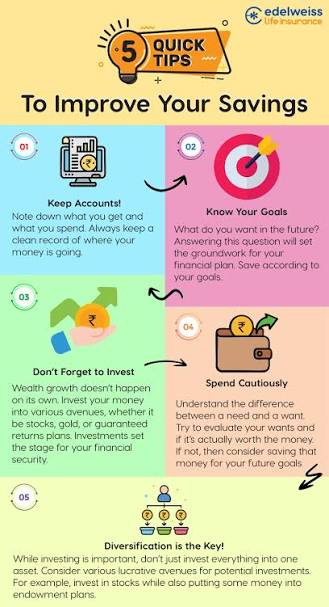
One of the fastest ways to save money is to understand where it is currently going. Many people are surprised when they see how much they spend on small purchases throughout the month.
Spend a week or two tracking every expense, including coffee, snacks, subscriptions, and online purchases. Once you have a clear picture of your spending habits, it becomes much easier to identify areas where you can cut back without feeling deprived.
Tracking expenses also helps you distinguish between needs and wants. This awareness alone can significantly improve your financial decisions.
Create a Realistic Budget
A budget is simply a plan for your money. It tells your income where to go instead of wondering where it went. The best budgets are realistic and flexible rather than restrictive.
Begin by listing your monthly income and essential expenses such as rent, utilities, groceries, transportation, and insurance. Then allocate a specific amount toward savings before planning discretionary spending.
When creating a budget, avoid setting unrealistic limits. A budget that is too strict often leads to frustration and failure. Instead, focus on gradual improvements that you can maintain over time.
Reduce Unnecessary Expenses

Cutting unnecessary expenses is one of the quickest ways to save money fast. However, this does not mean eliminating everything you enjoy.
Look for subscriptions you no longer use, memberships you rarely access, or services that can be replaced with cheaper alternatives. Review your monthly bills and compare prices from different providers whenever possible.
Even small reductions can add up. Saving a few dollars daily may not seem significant, but over weeks and months, those savings can become substantial.
Cook More Meals at Home
Dining out and ordering takeout are convenient but often expensive. Preparing meals at home is one of the easiest ways to reduce spending without sacrificing quality.
Meal planning helps prevent impulse purchases and food waste. By creating a grocery list and sticking to it, you can significantly lower your food expenses.
Cooking at home also gives you more control over ingredients and portion sizes, providing both financial and health benefits.
Use Cash for Discretionary Spending
Many people spend more when using credit cards or digital payment methods because they do not physically see the money leaving their hands.
Using cash for categories such as entertainment, dining, and shopping can help control spending. Once the cash is gone, you know you’ve reached your limit for that category.
This simple strategy encourages mindful spending and prevents unnecessary purchases.
Set Clear Savings Goals
Saving money becomes much easier when you know exactly what you’re saving for. A specific goal creates motivation and helps maintain focus.
Your goal might be building a $1,000 emergency fund, saving for a vacation, paying off debt, or purchasing a new vehicle. Whatever the objective, write it down and track your progress regularly.
Breaking large goals into smaller milestones makes them feel more achievable and keeps you motivated throughout the process.
Automate Your Savings
One of the most effective ways to save money fast without stress is automation. Set up an automatic transfer from your checking account to your savings account every payday.
When savings happen automatically, you eliminate the temptation to spend that money elsewhere. Even small automatic deposits can grow significantly over time.
Treating savings like a mandatory monthly expense ensures consistency and helps build financial discipline.
Avoid Impulse Purchases
Impulse buying can quickly derail saving efforts. Before making a non-essential purchase, give yourself a waiting period of at least 24 hours.
Often, the initial excitement fades, and you realize the item is not necessary. This simple pause can prevent countless unnecessary expenses throughout the year.
When shopping online, avoid saving payment information and remove tempting items from your cart before completing a purchase.
Find Free and Low-Cost Entertainment
Entertainment does not have to be expensive. Many communities offer free events, parks, walking trails, libraries, and local activities that provide enjoyment without significant costs.
Instead of spending money every weekend, explore affordable alternatives that fit your interests and lifestyle. You can still have fun while keeping your financial goals on track.
Increase Your Income
While reducing expenses is important, increasing income can accelerate your savings even faster. Consider freelancing, part-time work, selling unused items, or developing a side hustle.
Any additional income can be directed entirely toward savings goals, helping you reach them much sooner.
The combination of spending less and earning more creates powerful financial momentum.
Stay Consistent and Patient
The secret to successful saving is consistency. You do not need to make dramatic changes overnight. Small improvements repeated consistently often produce better long-term results than extreme short-term efforts.
Celebrate progress, learn from setbacks, and continue moving forward. Every dollar saved brings you closer to greater financial security and freedom.
Conclusion
Learning how to save money fast without stress is not about deprivation or complicated financial strategies. It is about making smart choices, tracking expenses, setting realistic goals, and building habits that support long-term success. By reducing unnecessary spending, automating savings, avoiding impulse purchases, and staying consistent, you can grow your savings quickly while maintaining a balanced lifestyle.
The sooner you start, the sooner you’ll experience the confidence and peace of mind that come from having money set aside for the future.
Frequently Asked Questions
1. How can I save money fast on a low income?
Focus on tracking expenses, cutting unnecessary spending, and automating small savings amounts consistently.
2. What is the fastest way to save money?
Reduce discretionary spending, create a budget, and automatically transfer money to savings after every paycheck.
3. How much should I save each month?
A common recommendation is 20% of your income, but any amount saved consistently is beneficial.
4. Does cooking at home really save money?
Yes, preparing meals at home is usually much cheaper than eating out or ordering takeout regularly.
5. Why do people struggle to save money?
Common reasons include lack of budgeting, impulse spending, unclear financial goals, and inconsistent saving habits.