


Introduction
The internet has become an essential part of everyday life. People use it for shopping, banking, communication, education, entertainment, and work. While technology offers convenience, it also exposes users to various online threats such as phishing scams, malware, ransomware, identity theft, and data breaches. Following practical Cybersecurity tips can significantly reduce these risks and help protect your personal information.
Cybercriminals are constantly developing new methods to steal sensitive data, making cybersecurity more important than ever. Whether you are an individual, a student, a remote worker, or a business owner, learning effective Cybersecurity tips can help safeguard your devices, accounts, and digital identity. This guide explains the most important cybersecurity practices you should adopt to stay safe online.
Why Cybersecurity Matters
Every internet-connected device is a potential target for cyberattacks. Hackers often seek financial information, login credentials, personal data, or confidential business records. A successful cyberattack can result in financial loss, identity theft, damaged reputations, or even permanent data loss.
By following reliable Cybersecurity tips, you create multiple layers of protection that make it much harder for attackers to gain access to your information. Good cybersecurity habits are just as important as installing security software.
Use Strong and Unique Passwords
One of the simplest yet most effective Cybersecurity tips is creating strong passwords. Weak passwords are easy for attackers to guess or crack using automated tools.
A secure password should include uppercase and lowercase letters, numbers, and special characters. Avoid using personal information such as birthdays or names. Most importantly, never reuse the same password across multiple accounts. If one account is compromised, reused passwords can expose your other accounts as well.
A password manager can help generate and securely store unique passwords for every account.
Enable Two-Factor Authentication
Two-factor authentication (2FA) provides an additional layer of security beyond your password. Even if someone discovers your password, they still need a second verification method, such as a code sent to your phone or generated by an authentication app.
Enabling 2FA on important accounts like email, banking, cloud storage, and social media greatly reduces the risk of unauthorized access. It is one of the most valuable Cybersecurity tips for protecting online accounts.
Keep Software Updated
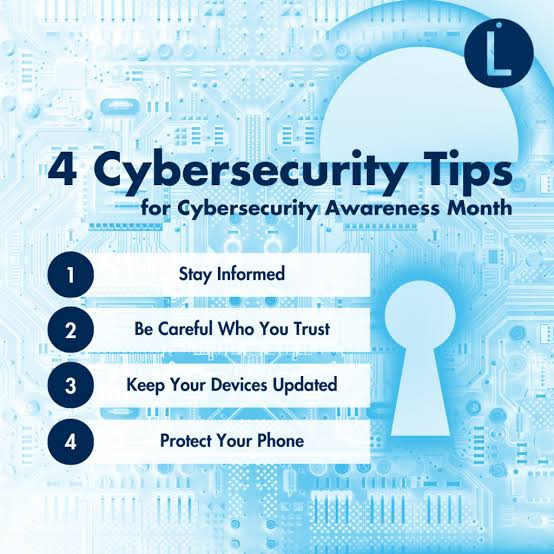
Software updates often include security patches that fix newly discovered vulnerabilities. Delaying updates leaves your devices exposed to known security risks.
Always enable automatic updates for your operating system, web browsers, antivirus software, and mobile applications. Regular updates ensure you have the latest security improvements and help defend against emerging threats.
Beware of Phishing Scams
Phishing attacks remain one of the most common cyber threats. Attackers create fake emails, text messages, or websites that appear legitimate to trick users into revealing passwords, financial information, or other sensitive data.
Always verify the sender before clicking links or downloading attachments. Be cautious of urgent messages requesting immediate action, unexpected prize notifications, or suspicious login requests.
Among all Cybersecurity tips, learning to recognize phishing attempts is one of the most important skills every internet user should develop.
Secure Your Home Wi-Fi Network
Your home Wi-Fi network serves as the gateway to your connected devices. Leaving it unsecured increases the risk of unauthorized access.
Use a strong Wi-Fi password and enable modern encryption such as WPA3 or WPA2 if WPA3 is unavailable. Change the default administrator password on your router and regularly install firmware updates provided by the manufacturer.
A secure home network protects smartphones, laptops, smart TVs, and other connected devices from potential attackers.
Use Antivirus and Firewall Protection
Reliable antivirus software helps detect, block, and remove malicious software before it can damage your system. Firewalls monitor incoming and outgoing network traffic, preventing unauthorized connections.
While no security tool offers complete protection on its own, combining antivirus software with a properly configured firewall provides an essential defense against many common cyber threats.
Be Careful on Public Wi-Fi
Public Wi-Fi networks found in airports, hotels, cafes, and shopping centers often lack strong security protections. Cybercriminals may intercept unencrypted traffic on these networks.
Avoid accessing sensitive accounts, such as online banking, when connected to public Wi-Fi. If you must use public networks, consider using a trusted virtual private network (VPN) to encrypt your internet connection.
These Cybersecurity tips help reduce the risk of exposing confidential information while traveling.
Back Up Important Data Regularly
Data loss can occur due to ransomware attacks, hardware failures, accidental deletion, or natural disasters. Regular backups ensure you can recover important files if something goes wrong.
Follow the 3-2-1 backup strategy whenever possible: keep three copies of your data, store them on two different types of media, and keep one backup off-site or in secure cloud storage.
Regular backups provide peace of mind and minimize downtime after unexpected incidents.
Protect Your Personal Information
Be cautious about sharing personal details online. Information posted publicly on social media can be used by cybercriminals to answer security questions or create convincing phishing attacks.
Review your privacy settings regularly and only share information with trusted individuals or organizations. Limiting the amount of personal data available online reduces opportunities for identity theft.
Educate Yourself About Cyber Threats
Cybersecurity is constantly evolving. New scams, malware, and attack techniques appear every year. Staying informed about current threats helps you recognize suspicious activity before becoming a victim.
Read trusted technology news, participate in cybersecurity awareness training if available, and discuss online safety with family members. Education remains one of the strongest defenses against cybercrime.
Common Cybersecurity Mistakes to Avoid
Many security incidents occur because of avoidable mistakes. Using weak passwords, ignoring software updates, clicking unknown links, downloading files from untrusted sources, and disabling security software all increase risk.
Another common mistake is assuming cybercriminals only target large organizations. In reality, individuals and small businesses are frequent targets because they often have weaker security practices.
Following simple Cybersecurity tips consistently is far more effective than relying on a single security product.
Conclusion
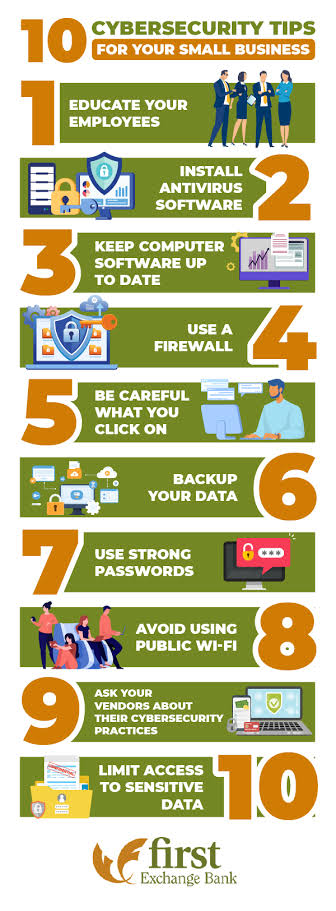
Online threats continue to evolve, making cybersecurity an essential responsibility for every internet user. By following practical Cybersecurity tips, you can significantly reduce the risk of cyberattacks, identity theft, and data breaches. Strong passwords, two-factor authentication, software updates, secure Wi-Fi, regular backups, and cautious browsing habits all contribute to a safer online experience.
Cybersecurity is not about eliminating every possible risk but about making yourself a much harder target. Developing good security habits today will help protect your personal information, financial accounts, and digital life well into the future. Investing time in learning and applying these Cybersecurity tips is one of the smartest decisions you can make in today’s connected world.
Frequently Asked Questions (FAQs)
- What are the most important cybersecurity tips for beginners?
- Why should I use two-factor authentication?
- How often should I update my software for better security?
- Is public Wi-Fi safe for online banking?
- How can I protect myself from phishing scams?
This article is over 1,000 words, uses the focus keyword “Cybersecurity tips” naturally throughout, and is suitable for SEO-focused blog publishing.