

In today’s fast-paced financial environment, managing outstanding payments is one of the biggest challenges for businesses of all sizes. Whether you’re running a small company or a large enterprise, unpaid invoices can disrupt cash flow and hinder growth. This is where debt collection software becomes an essential tool. It simplifies the process of tracking, managing, and recovering debts while improving efficiency and compliance.
Debt collection is no longer about manual follow-ups or spreadsheets. With digital transformation reshaping industries, businesses are increasingly turning to automation to handle complex financial operations. Debt collection software is designed to reduce workload, minimize errors, and increase recovery rates—all while maintaining positive customer relationships.
What is Debt Collection Software?
Debt collection software is a digital solution that helps businesses manage overdue payments and streamline the debt recovery process. It automates tasks such as sending reminders, tracking payment history, generating reports, and ensuring compliance with legal regulations.
Instead of relying on traditional methods like phone calls or manual record-keeping, this software provides a centralized system where all debtor information is stored and managed efficiently. It allows businesses to take a more organized and strategic approach to collections.
Why Businesses Need Debt Collection Software
Managing debts manually can be time-consuming and inefficient. As the volume of transactions increases, keeping track of outstanding payments becomes more complex. Debt collection software solves this problem by offering automation and real-time insights.
One of the key reasons businesses adopt this software is to improve cash flow. Faster recovery of payments means better financial stability. Additionally, it reduces administrative burden, allowing teams to focus on more productive tasks.
Another important factor is compliance. Debt collection laws vary across regions, and failing to follow them can result in legal consequences. Debt collection software often includes compliance features that help businesses adhere to regulations.
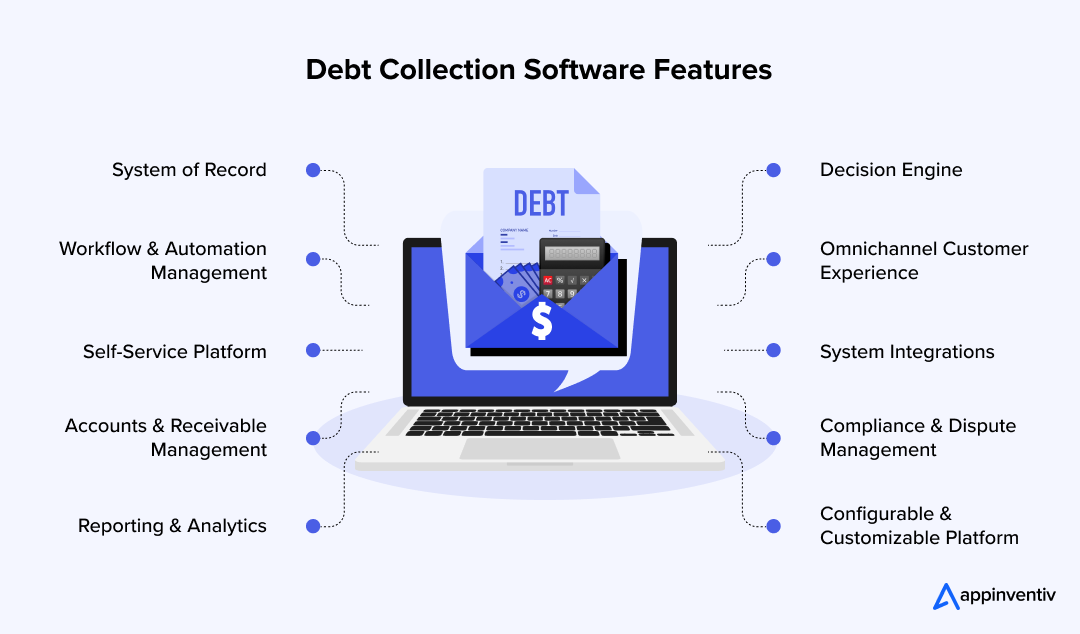
Key Features of Debt Collection Software
Automated Communication
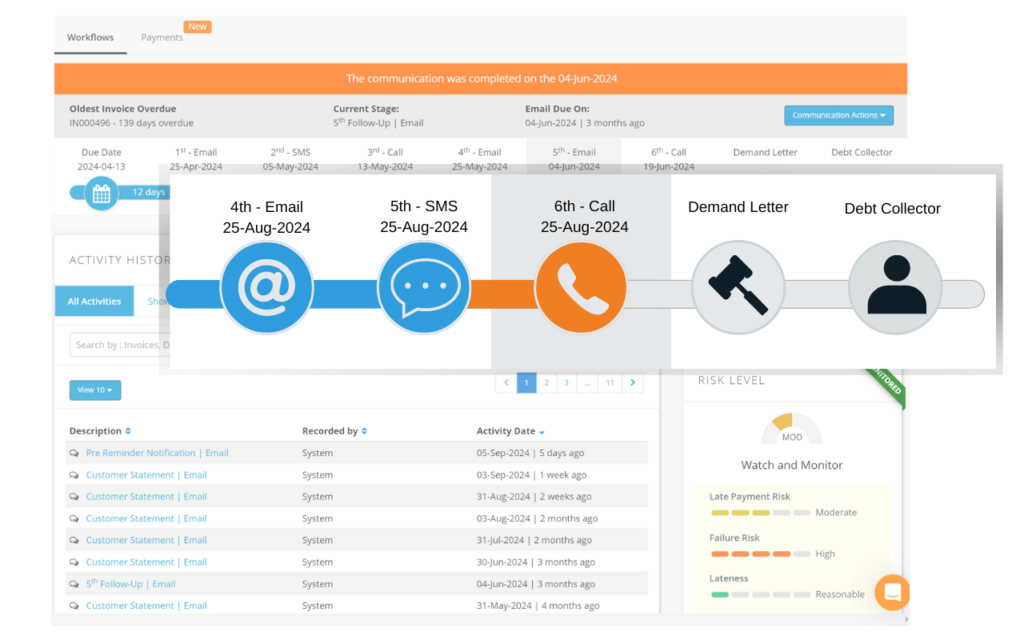
Modern debt collection software can send automated reminders via email, SMS, or notifications. This ensures that customers are consistently reminded of their dues without manual intervention.
Payment Tracking
The software keeps a detailed record of all transactions, making it easier to monitor outstanding balances and payment histories.
Reporting and Analytics
Advanced reporting tools provide insights into collection performance, helping businesses identify trends and improve strategies.
Integration Capabilities
Most debt collection software can integrate with accounting systems, CRM tools, and payment gateways, creating a seamless workflow.
Compliance Management
Built-in compliance features help businesses follow legal guidelines, reducing the risk of penalties.
Benefits of Using Debt Collection Software
Improved Efficiency
Automation reduces the need for manual work, saving time and effort. Tasks that once took hours can now be completed in minutes.
Higher Recovery Rates
With systematic follow-ups and better tracking, businesses can recover debts more effectively.
Better Customer Relationships
Contrary to common belief, debt collection software can actually improve customer relationships. Automated and polite reminders ensure professionalism and reduce conflict.
Cost Savings
By reducing manual labor and errors, businesses can cut operational costs significantly.
Data Security
Modern software solutions prioritize data protection, ensuring that sensitive financial information is secure.
How Debt Collection Software Works
Debt collection software operates through a series of automated processes. First, it gathers and stores debtor information. Then, it categorizes debts based on factors such as overdue duration and amount.
The system sends reminders at predefined intervals and tracks responses. If a payment is made, the system updates records automatically. If not, it escalates the case for further action.
Advanced systems also use analytics to predict payment behavior, helping businesses prioritize high-risk accounts.
Choosing the Right Debt Collection Software
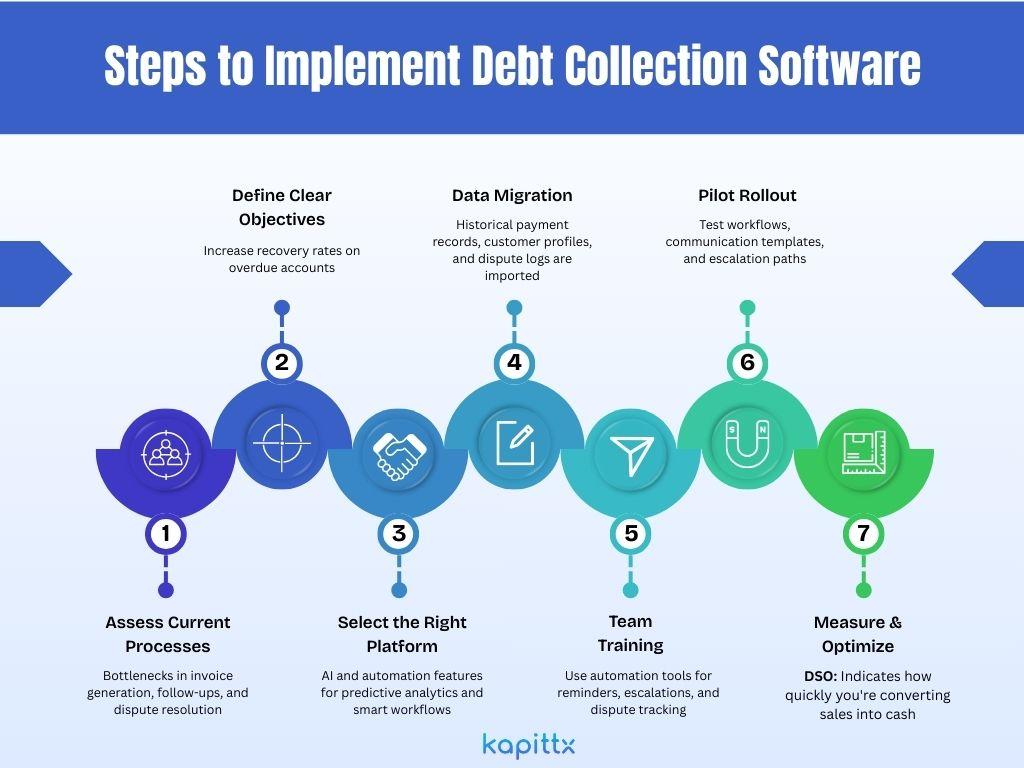
Selecting the right software depends on your business needs. There is no one-size-fits-all solution, so it’s important to evaluate different options carefully.
Consider factors such as ease of use, scalability, integration capabilities, and pricing. A good debt collection software should be user-friendly and adaptable to your business growth.
It’s also important to check for customer support and training options. Reliable support can make a significant difference in implementation and daily use.
Challenges in Debt Collection and How Software Solves Them
Debt collection comes with several challenges, including delayed payments, lack of communication, and legal complexities. Debt collection software addresses these issues effectively.
For example, delayed payments can be managed through automated reminders. Communication gaps are reduced with centralized messaging systems. Legal complexities are handled through compliance features that ensure proper procedures are followed.
By tackling these challenges, the software helps businesses operate more smoothly and efficiently.
Future of Debt Collection Software
The future of debt collection software looks promising, with advancements in artificial intelligence and machine learning. These technologies are expected to make debt recovery more predictive and personalized.
AI-powered tools can analyze customer behavior and suggest the best approach for collection. This not only improves recovery rates but also enhances customer experience.
Cloud-based solutions are also becoming more popular, allowing businesses to access their systems from anywhere. This flexibility is especially important in today’s remote work environment.
Conclusion
Debt collection is a critical aspect of financial management, and relying on outdated methods can limit a business’s potential. Debt collection software offers a modern, efficient, and reliable solution for managing outstanding payments.
By automating processes, improving accuracy, and ensuring compliance, it helps businesses recover debts faster while maintaining professionalism. As technology continues to evolve, adopting debt collection software is no longer optional—it’s a necessity for staying competitive.
Frequently Asked Questions (FAQs)
1. What is debt collection software used for?
Debt collection software is used to manage and recover overdue payments through automation, tracking, and communication tools.
2. Is debt collection software suitable for small businesses?
Yes, many solutions are designed specifically for small businesses and can scale as the business grows.
3. Can debt collection software improve recovery rates?
Yes, automated reminders and better tracking significantly increase the chances of recovering debts.
4. Is debt collection software secure?
Most modern solutions offer strong data security features to protect sensitive financial information.
5. Does debt collection software ensure legal compliance?
Yes, many tools include compliance features that help businesses follow debt collection laws and regulations.