


Introduction
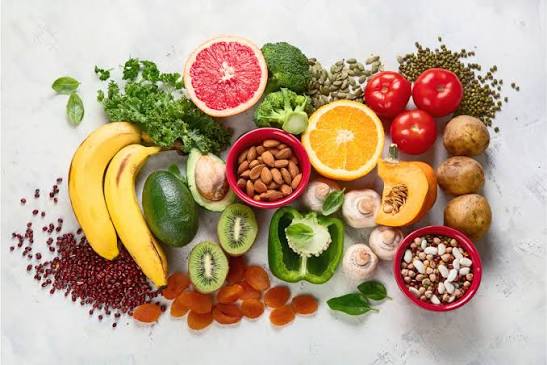
Choosing foods high in potassium and magnesium is one of the simplest ways to improve your overall health naturally. These two essential minerals work together to support hundreds of important functions in the body, including healthy muscle contractions, proper nerve signalling, heart health, blood pressure regulation, bone strength, and energy production. While many people focus on vitamins, potassium and magnesium are just as important for maintaining everyday wellness.
Modern diets often rely on processed and packaged foods, which tend to be low in these essential minerals. As a result, many people fail to meet their daily potassium and magnesium requirements. Fortunately, nature provides plenty of delicious options that are naturally rich in both nutrients. Leafy green vegetables, fruits, legumes, nuts, seeds, dairy products, whole grains, and seafood can all help increase your intake without relying on supplements.
Adding foods high in potassium and magnesium to your daily meals may help reduce muscle cramps, support healthy blood pressure, improve hydration, strengthen bones, and contribute to better heart function. Whether your goal is to eat healthier, improve athletic performance, or simply maintain a balanced diet, these nutrient-rich foods deserve a place on your plate.
This guide explains why potassium and magnesium matter, highlights the best food sources, offers meal ideas, and provides practical tips for increasing your intake through everyday eating.
Why Potassium and Magnesium Are Important
Although potassium and magnesium have different roles, they work closely together throughout the body.
Benefits of Potassium
Potassium helps:
- Maintain normal blood pressure
- Support healthy muscle contractions
- Balance body fluids
- Promote proper nerve function
- Reduce the effects of excess sodium
- Support heart rhythm
Benefits of Magnesium
Magnesium contributes to:
- Energy production
- Healthy bones and teeth
- Muscle relaxation
- Normal nerve function
- Protein synthesis
- Blood sugar regulation
- Heart health
Together, these minerals support healthy muscles, improve cardiovascular function, and contribute to overall wellbeing.
Best Foods High in Potassium and Magnesium
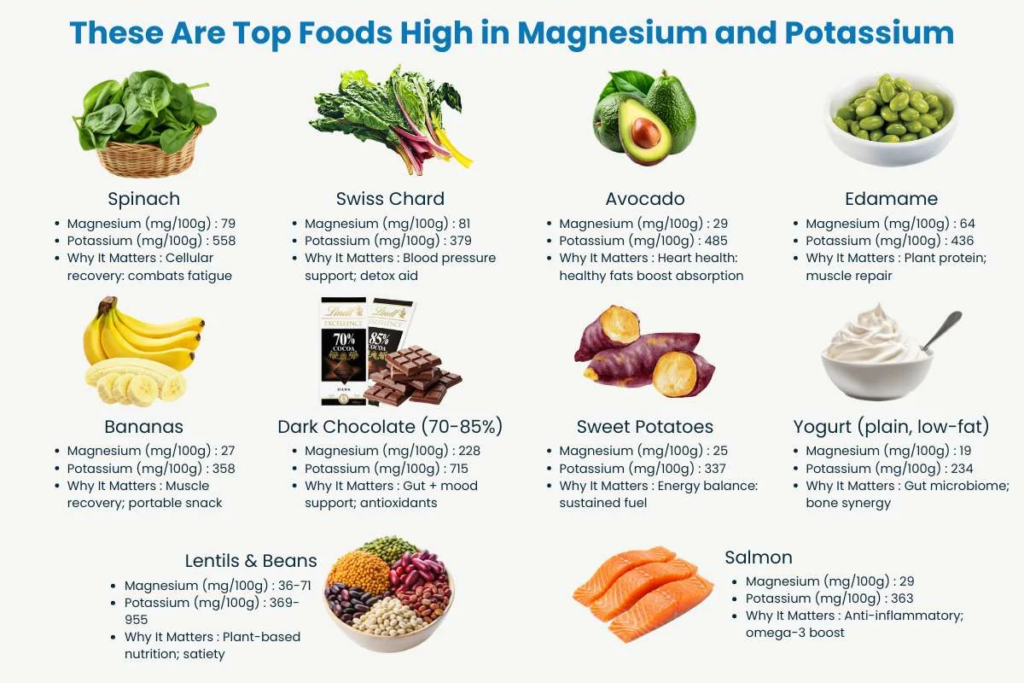
Spinach
Spinach is one of the richest plant sources of both potassium and magnesium. It is also packed with iron, vitamin K, vitamin A, and antioxidants. Add spinach to salads, soups, smoothies, or omelettes for an easy nutritional boost.
Avocados
Avocados provide healthy monounsaturated fats alongside generous amounts of potassium and magnesium. They make an excellent addition to sandwiches, salads, grain bowls, and breakfast toast.
Bananas
Bananas are well known for their potassium content, but they also provide magnesium, fibre, and vitamin B6. They are an easy snack before or after exercise.
Sweet Potatoes
Sweet potatoes supply potassium, magnesium, vitamin A, fibre, and complex carbohydrates that provide long-lasting energy.
White Potatoes
Regular potatoes, especially with the skin left on, are excellent sources of potassium while also contributing useful amounts of magnesium.
Black Beans
Black beans are rich in plant-based protein, fibre, potassium, and magnesium. They work well in soups, salads, tacos, and rice dishes.
Lentils
Lentils provide protein, fibre, iron, potassium, and magnesium while remaining affordable and versatile.
Chickpeas
Chickpeas are another nutrient-dense legume that supports digestive health while increasing your intake of essential minerals.
Pumpkin Seeds
Pumpkin seeds are among the richest natural sources of magnesium and also provide potassium, zinc, protein, and healthy fats.
Almonds
Almonds offer magnesium, potassium, vitamin E, and heart-healthy fats, making them an ideal snack.
Cashews
Cashews contain significant amounts of magnesium along with potassium, copper, and healthy fats.
Yogurt
Plain Greek yogurt provides potassium, magnesium, calcium, and protein in one convenient food.
Salmon
Salmon contains potassium and magnesium alongside omega-3 fatty acids that support heart and brain health.
Tuna
Fresh tuna is another excellent seafood choice that contributes both minerals while providing lean protein.
Swiss Chard
Swiss chard is exceptionally rich in potassium and magnesium and is an excellent substitute for spinach in many recipes.
Fruits High in Potassium and Magnesium
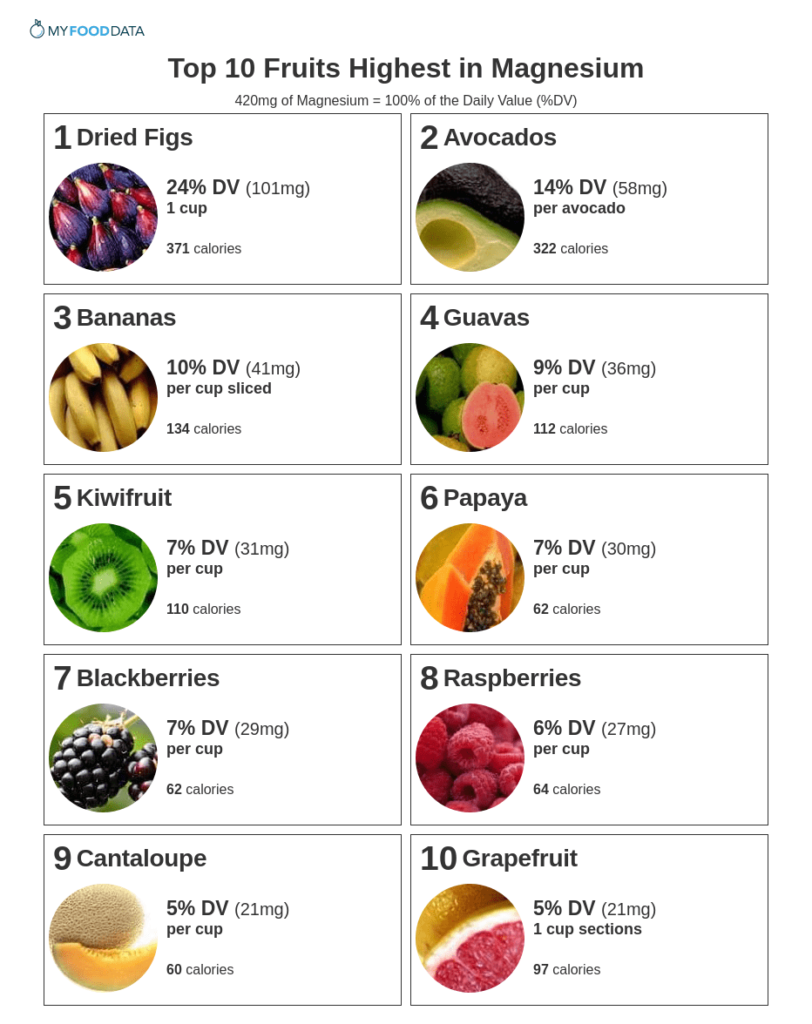
Many fruits contribute valuable amounts of these minerals, including:
- Bananas
- Avocados
- Oranges
- Kiwi
- Apricots
- Cantaloupe
- Papaya
- Pomegranates
- Dried figs
- Raisins
Fresh fruit also provides antioxidants, fibre, and vitamin C.
Vegetables High in Potassium and Magnesium
Vegetables should form the foundation of a healthy diet.
Excellent options include:
- Spinach
- Kale
- Swiss chard
- Sweet potatoes
- Potatoes
- Broccoli
- Beet greens
- Brussels sprouts
- Mushrooms
- Tomatoes
Aim to include several colourful vegetables with every meal.
Nuts and Seeds Rich in Both Minerals
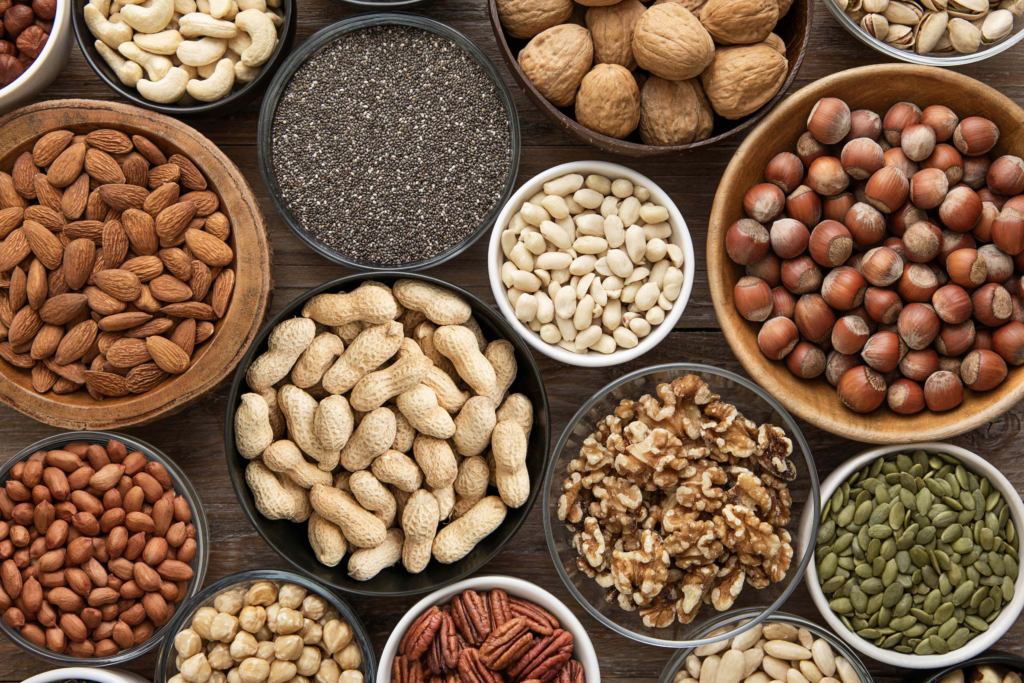
Nuts and seeds are nutritional powerhouses.
The best choices include:
- Pumpkin seeds
- Almonds
- Cashews
- Sunflower seeds
- Chia seeds
- Flaxseeds
- Sesame seeds
- Pistachios
Enjoy them as snacks or sprinkle them over salads, yoghurt, or porridge.
Whole Grains That Provide Potassium and Magnesium
Whole grains offer more nutrients than refined grains.
Choose:
- Brown rice
- Quinoa
- Oats
- Whole wheat bread
- Barley
- Buckwheat
These foods also provide fibre that supports digestive health.
Meal Ideas Using Foods High in Potassium and Magnesium
Incorporating these ingredients into daily meals is easier than you might think.
Breakfast
Greek yogurt topped with banana, almonds, chia seeds, and berries.
Lunch
Spinach salad with grilled chicken, avocado, chickpeas, tomatoes, and olive oil dressing.
Dinner
Baked salmon served with roasted sweet potatoes and steamed broccoli.
Snack
Pumpkin seeds mixed with almonds and dried apricots.
These balanced meals naturally increase your intake of both essential minerals.
Tips for Increasing Potassium and Magnesium Naturally
Follow these simple habits:
- Eat more leafy green vegetables.
- Replace refined grains with whole grains.
- Snack on nuts and seeds.
- Include beans or lentils several times each week.
- Eat fresh fruit daily.
- Choose baked potatoes instead of fried chips.
- Add spinach to smoothies.
- Cook more meals at home using fresh ingredients.
Can You Get Too Much Potassium or Magnesium?
For most healthy people, getting potassium and magnesium from food is safe because the body regulates excess amounts effectively. However, people with kidney disease or certain medical conditions may need to limit potassium intake, and some magnesium supplements can cause digestive side effects if taken in large amounts.
If you have a medical condition or take medications that affect mineral balance, speak with your healthcare provider before making major dietary changes or using supplements.
Conclusion
Adding foods high in potassium and magnesium to your daily diet is a natural and effective way to support heart health, muscle function, nerve health, hydration, and overall wellbeing. Foods such as spinach, avocados, bananas, sweet potatoes, beans, lentils, salmon, nuts, seeds, and whole grains provide these essential minerals alongside many other valuable nutrients.
Rather than relying on supplements, focus on eating a varied, balanced diet filled with whole foods. Small changes—such as swapping processed snacks for almonds, adding leafy greens to meals, or choosing legumes more often—can make a significant difference over time. By consistently including potassium- and magnesium-rich foods in your meal plan, you can build healthier eating habits that benefit your body for years to come.
Frequently Asked Questions (FAQs)
1. What foods are high in both potassium and magnesium?
Spinach, avocados, bananas, sweet potatoes, beans, lentils, salmon, almonds, pumpkin seeds, and Greek yogurt are excellent sources.
2. Why are potassium and magnesium important?
They support heart health, muscle function, nerve signalling, blood pressure regulation, and energy production.
3. Can I get enough potassium and magnesium from food alone?
Yes. Most healthy people can meet their needs by eating a balanced diet rich in fruits, vegetables, legumes, nuts, seeds, and whole grains.
4. Which fruit has the most potassium?
Bananas are well known, but avocados, apricots, oranges, cantaloupe, and kiwi are also excellent sources.
5. Are nuts high in magnesium?
Yes. Pumpkin seeds, almonds, cashews, pistachios, and sunflower seeds are among the best natural sources of magnesium.