


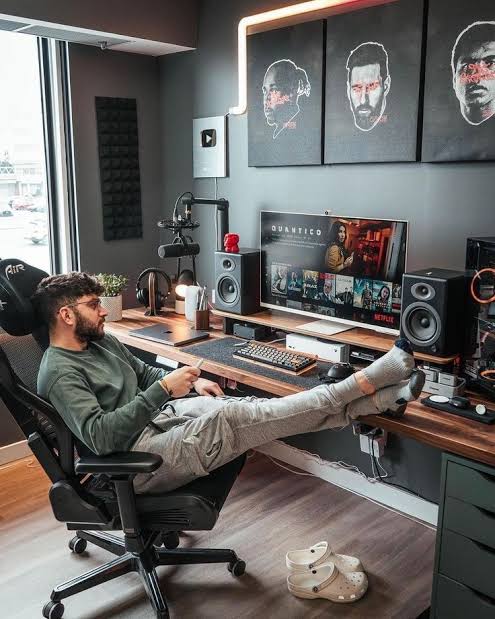
Working from home has become a normal part of life for millions of people around the world. Whether you are a remote employee, freelancer, entrepreneur, or student, creating a workspace that supports productivity and comfort is essential. The right home office environment can improve focus, reduce distractions, and help maintain a healthy work-life balance. That is why many people search for practical and effective home office setup ideas that can transform an ordinary room into an efficient workspace.
A well-designed home office is more than just a desk and chair. It involves careful planning, organization, lighting, ergonomics, and personalization. By investing time in designing a workspace that fits your needs, you can improve both your performance and overall well-being. In this guide, we will explore the best home office setup ideas to help you create a functional and inspiring work environment.
Choose the Right Location
One of the most important home office setup ideas is selecting the right location. If possible, dedicate a specific room to your workspace. Having a separate office helps minimize distractions and creates a professional environment. However, not everyone has the luxury of an extra room. In that case, a quiet corner of your living room, bedroom, or even a hallway can work effectively.
The key is to choose a space that allows you to focus. Avoid high-traffic areas where family members frequently pass through. If noise is an issue, consider using noise-canceling headphones or adding soundproofing elements such as rugs, curtains, or bookshelves. Establishing a dedicated work area also helps mentally separate work from personal life, making it easier to stay productive throughout the day.
Invest in an Ergonomic Chair
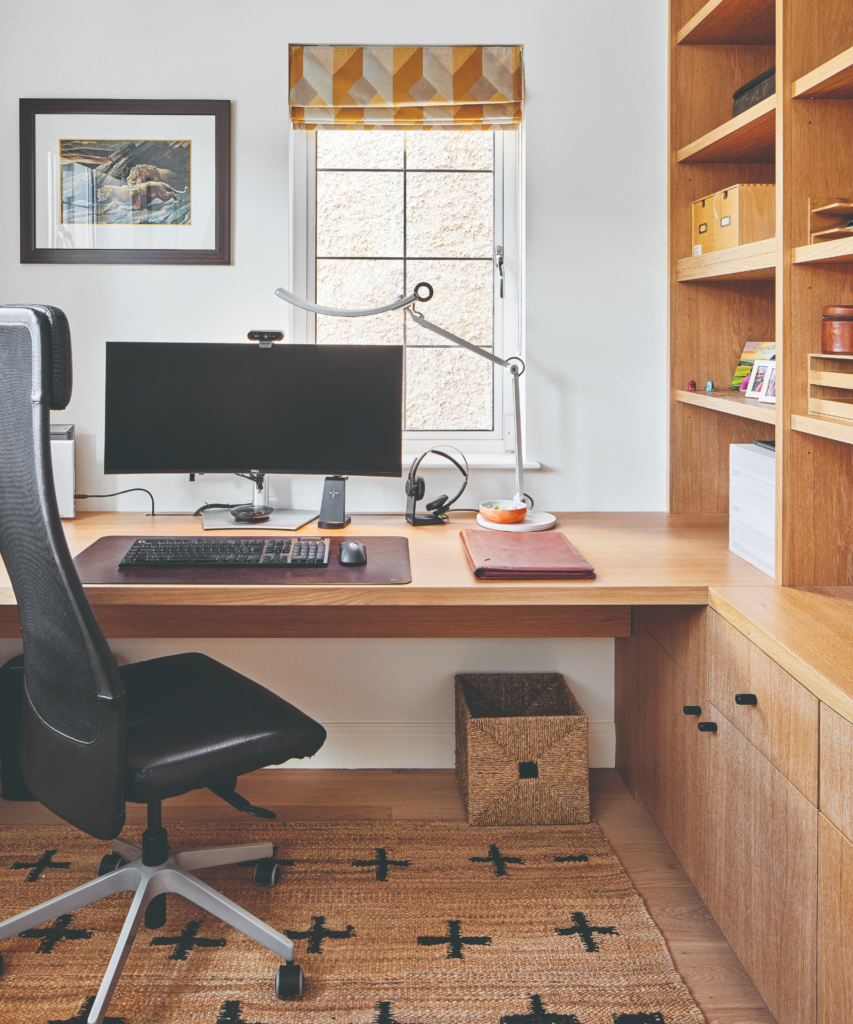
Comfort should be a top priority when planning your home office. Since many people spend several hours sitting each day, investing in an ergonomic chair can significantly improve comfort and health. A good chair supports your spine, promotes proper posture, and reduces strain on your back and neck.
Look for adjustable features such as seat height, lumbar support, and armrests. These adjustments allow you to customize the chair according to your body type and working habits. While it may seem like a significant investment initially, a quality chair can prevent discomfort and long-term health issues, making it one of the most valuable home office setup ideas available.
Select a Functional Desk
Your desk serves as the foundation of your workspace. Choosing the right desk depends on your work requirements, available space, and personal preferences. Some professionals need large desks to accommodate multiple monitors and equipment, while others may only require a compact workstation for a laptop and notebook.
Standing desks have become increasingly popular because they allow users to alternate between sitting and standing throughout the day. This flexibility can improve circulation and reduce the negative effects of prolonged sitting. When selecting a desk, ensure there is enough space for your essential tools while keeping the surface clutter-free.
Prioritize Proper Lighting
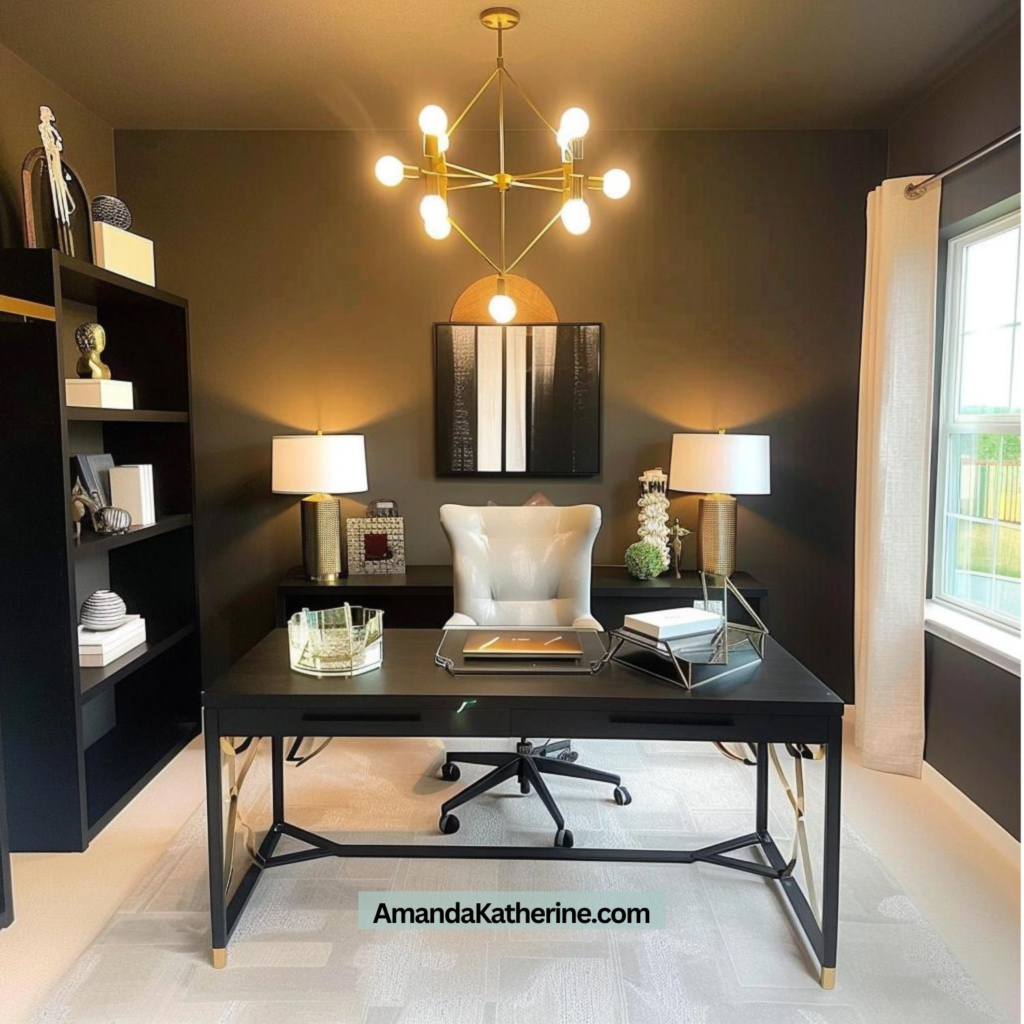
Lighting plays a crucial role in productivity and eye comfort. Poor lighting can lead to eye strain, headaches, and reduced concentration. One of the best home office setup ideas is to position your workspace near a window to maximize natural light. Natural sunlight not only improves visibility but also boosts mood and energy levels.
In addition to natural light, use quality task lighting for cloudy days and evening work sessions. Desk lamps with adjustable brightness settings can help create the ideal lighting conditions. Avoid placing bright lights directly behind your monitor, as this may cause glare and visual discomfort.
Organize Your Workspace Efficiently
An organized workspace contributes to better productivity and reduced stress. Clutter can be distracting and make it difficult to locate important items. Implement storage solutions such as shelves, drawers, filing cabinets, and desk organizers to keep everything in its place.
One of the simplest home office setup ideas is to adopt a minimalistic approach. Keep only essential items on your desk and store everything else neatly. Regularly declutter your workspace to maintain a clean and professional environment. A tidy office not only looks better but also promotes a more focused mindset.
Improve Technology and Equipment
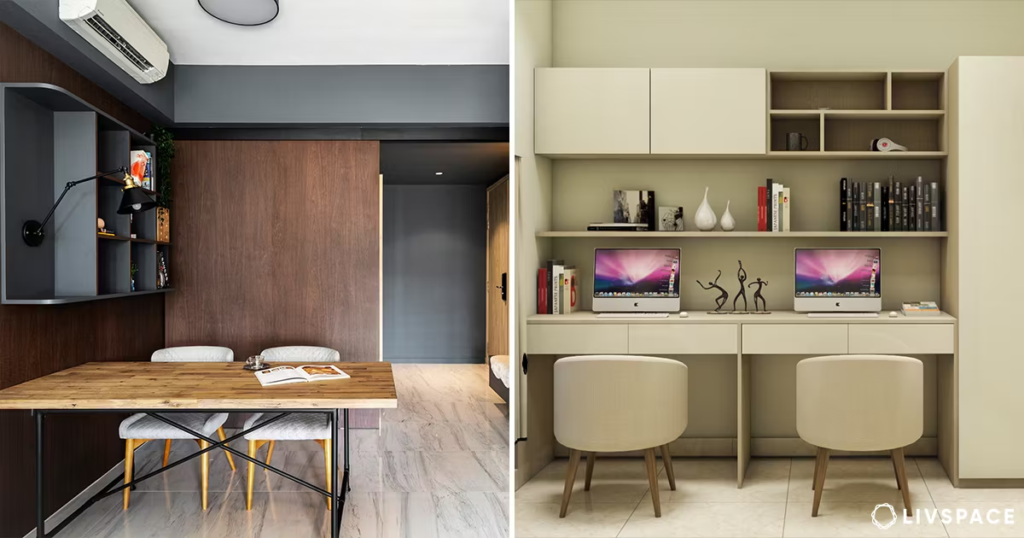
Technology is at the heart of most home offices. Reliable equipment can make daily tasks easier and more efficient. Depending on your work, consider investing in a high-performance computer, external monitor, wireless keyboard, and ergonomic mouse.
A second monitor can significantly improve productivity by allowing you to multitask more effectively. Fast internet connectivity is equally important, especially for video conferencing and cloud-based work. Regularly updating your software and hardware ensures your workspace remains efficient and secure.
Add Personal Touches
While functionality is essential, your workspace should also reflect your personality. Personal touches can make your office feel more inviting and enjoyable. Consider adding artwork, motivational quotes, decorative items, or family photos.
Plants are another excellent addition to any workspace. Indoor plants can improve air quality, reduce stress, and create a calming atmosphere. Simple options such as snake plants, pothos, and succulents require minimal maintenance while adding natural beauty to your office.
Create a Distraction-Free Environment
One of the biggest challenges of working from home is managing distractions. Household chores, social media, television, and family interruptions can affect productivity. Implementing distraction-reducing strategies is among the most effective home office setup ideas.
Set clear boundaries with family members during working hours and establish a consistent schedule. Use productivity tools to block distracting websites and apps when necessary. Keeping your phone on silent mode during focused work sessions can also improve concentration and efficiency.
Optimize Cable Management
Messy cables can make even the most beautiful workspace appear disorganized. Proper cable management not only improves aesthetics but also enhances safety and convenience. Use cable clips, sleeves, trays, or ties to keep cords organized and hidden from view.
Many modern desks include built-in cable management features, making it easier to maintain a clean appearance. Taking the time to organize cables can create a more professional and visually appealing workspace.
Maintain a Healthy Work-Life Balance
A successful home office supports both productivity and personal well-being. Establishing boundaries between work and home life is essential for avoiding burnout. Set regular working hours and create routines that signal the beginning and end of your workday.
Take regular breaks to stretch, walk around, and rest your eyes. Consider incorporating wellness elements such as a standing desk, exercise equipment, or relaxation corner. These additions can help maintain physical and mental health while working from home.
Keep Your Office Flexible
Work requirements often change over time. Designing a flexible workspace allows you to adapt as your needs evolve. Modular furniture, adjustable equipment, and movable storage solutions can make your office more versatile.
Whether you need space for new technology, additional storage, or collaborative work, a flexible office design ensures your workspace remains functional and efficient. Adaptability is one of the most overlooked yet valuable home office setup ideas.
Conclusion
Creating the perfect workspace does not require a large budget or a dedicated office room. By implementing practical home office setup ideas, you can build an environment that supports productivity, comfort, and creativity. From selecting the right location and ergonomic furniture to optimizing lighting and organization, every element contributes to a better work experience.
A thoughtfully designed home office helps improve focus, reduce stress, and enhance overall job satisfaction. As remote work continues to grow, investing in your workspace is one of the best decisions you can make for your professional success and personal well-being.
FAQs
1. What are the most important home office setup ideas?
The most important ideas include choosing a quiet location, using ergonomic furniture, maintaining proper lighting, and keeping your workspace organized.
2. How can I create a home office in a small space?
Use compact furniture, wall-mounted shelves, vertical storage, and multi-purpose desks to maximize available space.
3. Why is ergonomic furniture important for a home office?
Ergonomic furniture supports proper posture, reduces discomfort, and helps prevent long-term health issues.
4. How can I make my home office more productive?
Reduce distractions, organize your workspace, improve lighting, and use reliable technology to increase productivity.
5. What is the best lighting for a home office?
Natural light is ideal, supplemented by adjustable task lighting to reduce eye strain and improve visibility.