



Introduction
The term human leather often sparks curiosity, controversy, and confusion. It appears in historical discussions, horror fiction, movies, urban legends, and internet rumors, leading many people to wonder whether it is real or simply a myth. While stories about human leather have circulated for centuries, separating documented historical facts from fictional tales is essential.
Today, human leather is not a commercial material, nor is it legally produced or sold. References to it are generally limited to historical accounts, museum collections, academic research, and works of fiction. Understanding the topic requires examining its historical context, the myths that surround it, and the ethical and legal issues involved.
This article explores what human leather is, where the idea originated, how it has appeared throughout history and popular culture, and why it remains a subject of fascination.
What Is Human Leather?
The phrase human leather refers to leather-like material reportedly made from human skin. Historically, there have been rare documented cases in which human skin was preserved and used to bind books or create small objects. This practice is known as anthropodermic bibliopegy when it involves bookbinding.
It is important to emphasize that such cases are exceptionally rare and are viewed today as historical artifacts rather than acceptable practices. Modern laws, ethical standards, and human rights principles prohibit the use of human skin for commercial leather products.
As a result, when people encounter the term today, it is usually in discussions of history, forensic science, museums, or fictional media.
Historical Background

Stories involving human leather date back hundreds of years. During certain periods of history, particularly in Europe, a very small number of books were reportedly bound using preserved human skin. Some of these books were associated with medical schools, criminal cases, or anatomical collections.
Many stories about objects made from human skin, however, have been exaggerated or proven false over time. Modern scientific testing has shown that some artifacts once believed to contain human skin were actually made from animal leather.
Advances in scientific analysis have helped historians distinguish genuine historical examples from myths and legends.
Human Leather and Bookbinding
One of the best-known historical associations with human leather is bookbinding.
Certain medical texts, legal documents, and anatomical records from past centuries were allegedly bound using preserved human skin. In many cases, the individuals whose skin was used were deceased patients or executed criminals, although documentation varies widely.
Today, researchers use protein analysis and laboratory testing to verify whether these bindings are genuinely made from human skin. Museums that possess such books often treat them as historical artifacts while acknowledging the ethical complexities surrounding their preservation and display.
Human Leather in Popular Culture
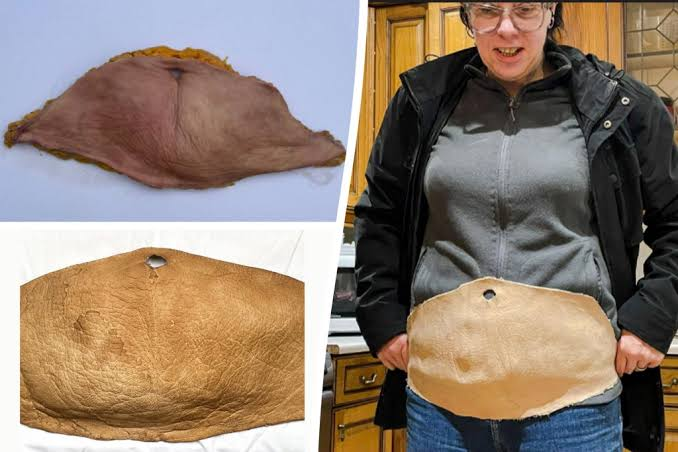
The concept of human leather frequently appears in horror novels, films, television shows, and video games. Fiction often exaggerates the subject to create suspense or fear.
Many famous horror stories feature fictional characters creating clothing, furniture, or masks from human skin. These portrayals have contributed significantly to public misconceptions about the topic.
Because fictional works are designed for entertainment rather than historical accuracy, they should not be confused with documented historical evidence.
Internet Myths and Urban Legends
The internet has helped spread countless rumors involving human leather. Claims occasionally appear online suggesting that luxury products, wallets, shoes, or handbags are secretly made from human skin.
There is no credible evidence supporting these claims in legitimate commercial markets. Most such stories are fabricated, based on misinformation, or designed to attract attention through sensational headlines.
Consumers purchasing products from reputable brands can be confident that commercial leather goods are made from approved materials such as cowhide, goatskin, sheepskin, or synthetic alternatives.
Ethical and Legal Considerations
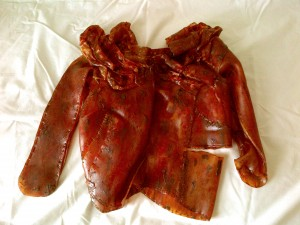
Modern society overwhelmingly rejects the idea of producing human leather.
Ethical principles emphasize respect for human dignity, bodily autonomy, and informed consent. International laws and regulations strictly govern the handling of human remains for medical, scientific, and educational purposes.
Commercial production or sale of products made from human skin would violate numerous ethical standards and legal frameworks in virtually every country.
These protections ensure that historical cases remain historical rather than contemporary practices.
Scientific Research
Scientists occasionally study historical artifacts believed to contain human leather using non-destructive laboratory techniques.
Protein fingerprinting and other forensic methods help determine whether an artifact was made from human skin or animal leather.
This research contributes to a more accurate understanding of history while allowing museums and libraries to correctly identify items in their collections.
Human Leather vs. Animal Leather
Although both terms include the word “leather,” there are significant differences.
Traditional leather comes from animals raised for food or agricultural purposes and is processed through established tanning methods.
Human leather, by contrast, refers only to extremely rare historical cases and has no legitimate role in today’s commercial leather industry.
Modern leather manufacturing focuses on cowhide, buffalo leather, lambskin, goatskin, and innovative plant-based or synthetic alternatives.
Why People Are Fascinated
The continued interest in human leather comes from several factors.
People are naturally curious about unusual historical events, especially those that challenge modern ethical standards. Horror literature and cinema have also increased public awareness of the topic, even when the portrayals are fictional.
Additionally, museum exhibits and academic research occasionally bring renewed attention to verified historical examples, encouraging discussions about history, ethics, and cultural attitudes.
Modern Alternatives
Today, consumers looking for durable and stylish materials have many ethical alternatives.
Full-grain leather remains popular for premium products.
Vegan leather made from polyurethane or recycled materials offers an animal-free option.
Plant-based leathers created from mushrooms, cactus, pineapple fibers, apples, and cork continue to gain popularity as environmentally friendly alternatives.
These materials meet modern consumer demands without raising the ethical concerns associated with historical discussions of human leather.
Conclusion
The topic of human leather combines history, science, ethics, and popular culture. While a small number of documented historical cases exist, they are exceptionally rare and belong to the past rather than the present.
Today, human leather is neither legally produced nor commercially available. Most modern references appear in museums, academic research, historical discussions, or fictional entertainment.
Understanding the difference between verified history and sensational myths allows readers to approach the subject with greater accuracy and perspective.
Frequently Asked Questions (FAQs)
1. What is human leather?
Human leather refers to extremely rare historical materials reportedly made from preserved human skin.
2. Is human leather legal today?
No. Modern ethical standards and laws prohibit its commercial production and sale.
3. Is human leather used in modern products?
No. Legitimate commercial leather products are made from animal leather or synthetic and plant-based alternatives.
4. Why is human leather discussed in history?
It is mainly associated with a few historical artifacts, particularly certain old books and museum collections.
5. Is human leather common?
No. Verified historical examples are exceptionally rare, and many stories about it are myths or works of fiction.