


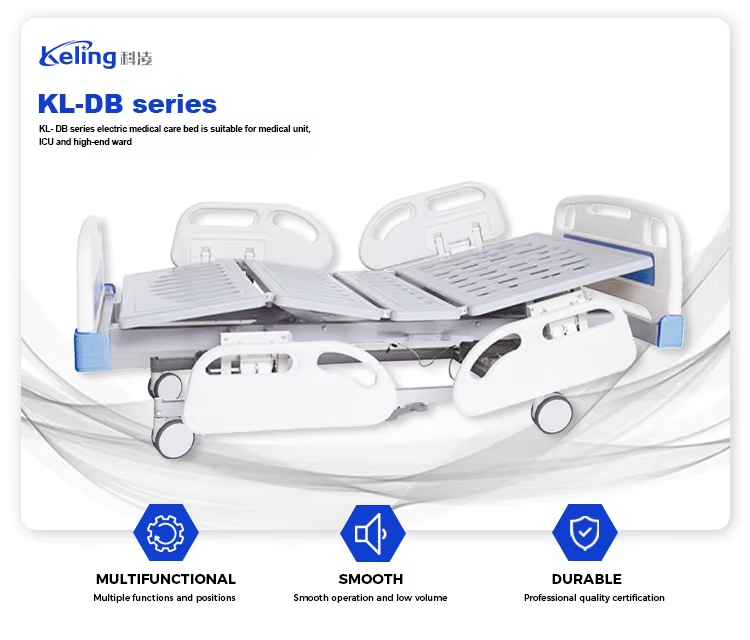
Introduction
When purchasing medical equipment, understanding the ICU bed price is essential for hospitals, clinics, nursing homes, and even families caring for patients at home. Intensive Care Unit (ICU) beds are among the most advanced hospital beds available because they are specifically designed to support critically ill patients. Unlike ordinary hospital beds, ICU beds include multiple electronic adjustments, safety mechanisms, monitoring compatibility, and mobility features that improve patient care while making work easier for healthcare professionals.
The ICU bed price varies significantly depending on the manufacturer, technology, material quality, adjustment functions, and additional accessories. Some basic ICU beds are relatively affordable, while premium models equipped with advanced electronic systems can cost several times more.
This guide explains everything you need to know about ICU bed prices, the factors affecting their cost, different types of ICU beds, essential features, and practical buying tips to help you make an informed decision.
What Is an ICU Bed?
An ICU bed is a specialized hospital bed designed for patients who require constant medical observation and advanced care. These beds provide maximum comfort while allowing healthcare professionals to quickly adjust patient positions.
Modern ICU beds often include:
- Electric height adjustment
- Adjustable head and foot sections
- Side safety rails
- CPR emergency release
- Central locking wheels
- Battery backup
- Weight monitoring systems
- Trendelenburg and Reverse Trendelenburg positioning
These advanced features directly influence the ICU bed price, making them more expensive than standard hospital beds.
Average ICU Bed Price
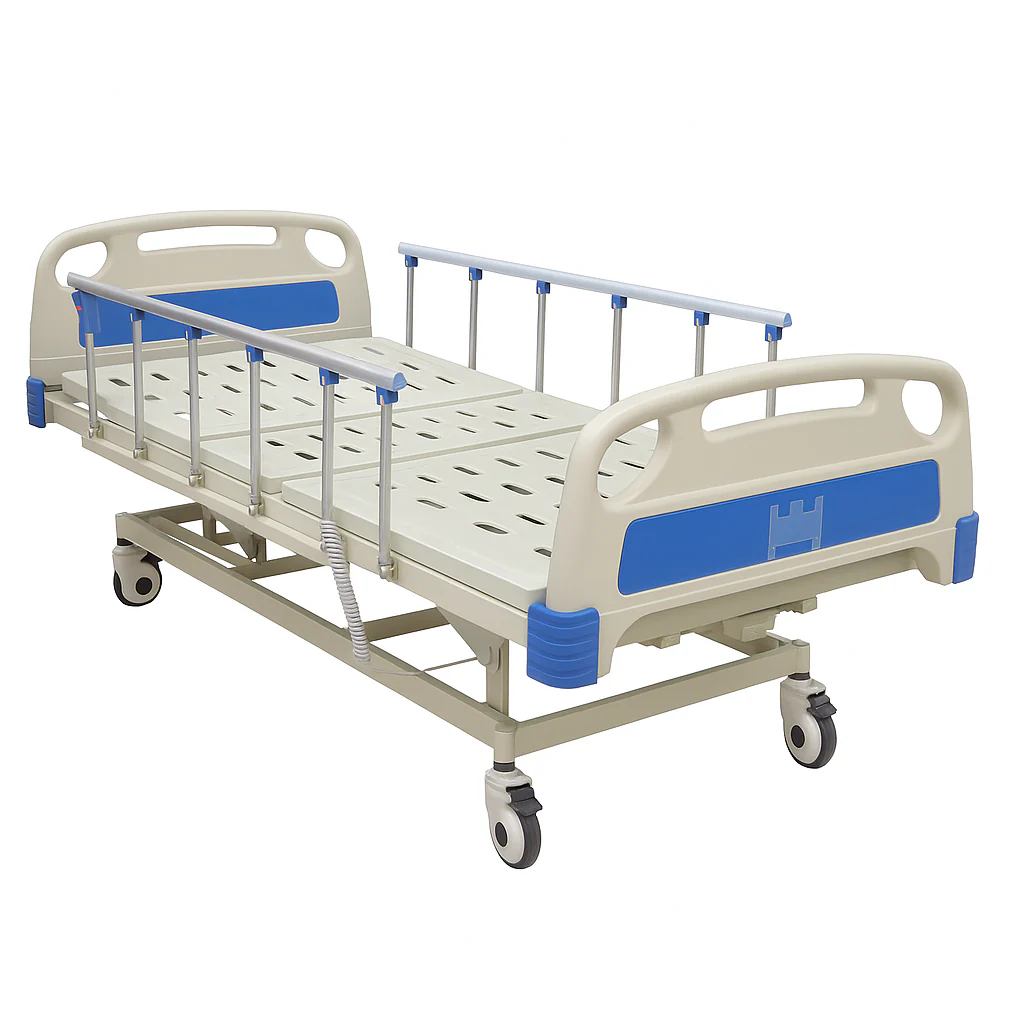
The ICU bed price depends on the country, brand, and specifications.
Generally, buyers can expect the following price ranges:
| ICU Bed Type | Estimated Price |
| Manual ICU Bed | $700–$1,500 |
| Semi-Electric ICU Bed | $1,500–$3,000 |
| Fully Electric ICU Bed | $3,000–$8,000 |
| Premium Smart ICU Bed | $8,000–$20,000+ |
Prices may vary depending on taxes, shipping costs, warranty coverage, and optional accessories.
Factors That Affect ICU Bed Price
Several important factors determine the final ICU bed price.
Electric vs Manual Operation
Electric ICU beds cost more because they allow caregivers to adjust the bed using a remote control or control panel. Manual beds require physical effort and fewer mechanical components.
Bed Material
High-quality steel frames with anti-corrosion coatings are more durable than standard metal frames. Premium construction materials increase manufacturing costs.
Weight Capacity
Heavy-duty ICU beds designed for bariatric patients are stronger and larger, resulting in higher prices.
Advanced Positioning Functions
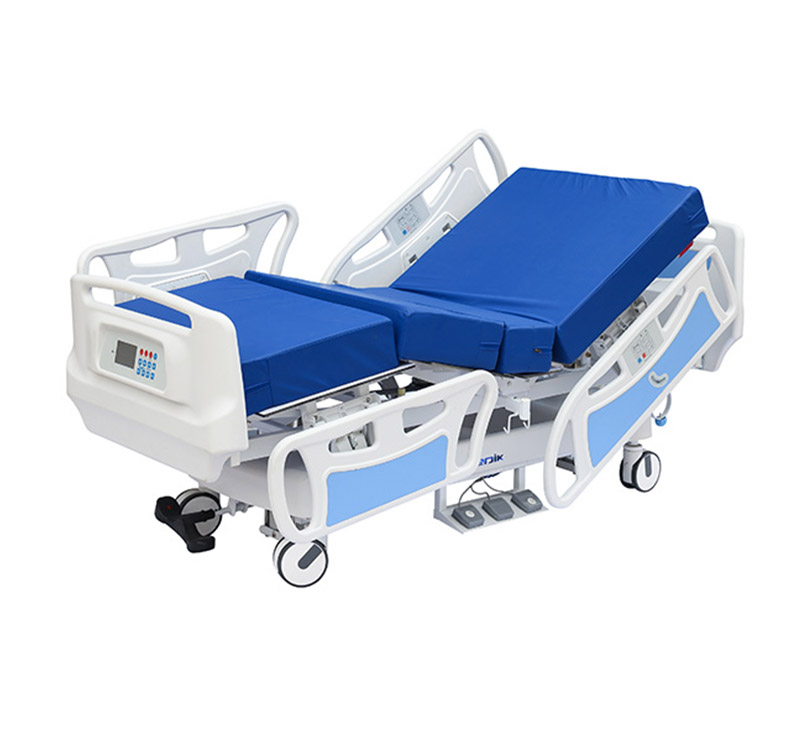
Modern ICU beds support multiple positions, including:
- Cardiac chair position
- Trendelenburg
- Reverse Trendelenburg
- Fowler position
- Auto contour adjustment
More positioning options generally increase the ICU bed price.
Safety Features
Premium ICU beds include advanced safety features such as:
- Auto-lock brakes
- Bed exit alarms
- Side rail sensors
- Patient monitoring compatibility
- Battery backup
Each additional feature contributes to overall cost.
Brand Reputation
Well-known medical equipment manufacturers usually charge more due to higher quality standards, certifications, longer warranties, and better customer support.
Types of ICU Beds
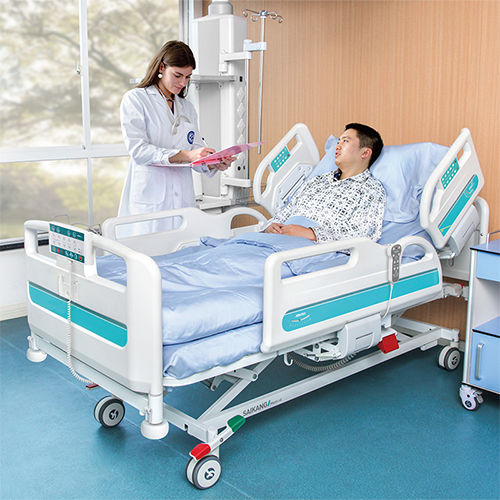
Choosing the correct ICU bed depends on medical needs and budget.
Manual ICU Beds
Manual ICU beds use mechanical cranks for adjustment. They are affordable and suitable for facilities with limited budgets.
Advantages include:
- Lower purchase price
- Easy maintenance
- No electricity required
Disadvantages include slower adjustments and increased caregiver effort.
Semi-Electric ICU Beds
These beds combine electric motors with manual adjustments.
Benefits include:
- Better patient comfort
- Moderate pricing
- Easier operation
They offer a balance between affordability and convenience.
Fully Electric ICU Beds
Fully electric ICU beds provide complete electronic control over all adjustments.
Advantages include:
- Maximum comfort
- Faster patient positioning
- Reduced caregiver workload
- Better safety
They are among the most popular options in modern hospitals.
Smart ICU Beds
Smart ICU beds integrate digital technology with patient care.
Features may include:
- Weight monitoring
- Patient movement detection
- Bed exit alarms
- Electronic medical record integration
- Pressure injury prevention systems
These advanced features make them the most expensive ICU beds available.
ICU Bed Features Worth Paying For
When comparing the ICU bed price, buyers should consider features that improve patient care rather than focusing only on the lowest price.
Useful features include:
Electric Height Adjustment
Allows healthcare workers to adjust bed height for easier treatment and patient transfer.
CPR Release
Enables rapid bed positioning during emergencies.
Side Rails
Protect patients from accidental falls.
Central Locking System
Improves stability and patient safety.
Battery Backup
Ensures continued operation during power outages.
Mattress Compatibility
Pressure-relief mattresses reduce the risk of pressure ulcers for long-term patients.
ICU Bed Price for Home Care
Many families require ICU beds for home recovery after surgery, severe illness, or long-term medical conditions.
Home-use ICU beds are usually less expensive because they often include fewer hospital-grade monitoring features.
Typical costs range from:
- Basic home ICU bed: $1,000–$2,500
- Electric home ICU bed: $2,500–$5,000
Additional expenses may include:
- Medical mattress
- IV pole
- Overbed table
- Oxygen holder
- Delivery and installation
New vs Used ICU Beds
Some buyers consider used ICU beds to reduce costs.
New ICU Beds
Advantages:
- Manufacturer warranty
- Latest technology
- Better reliability
- Longer lifespan
Disadvantages:
- Higher initial cost
Used ICU Beds
Advantages:
- Lower purchase price
- Immediate availability
Disadvantages:
- Limited warranty
- Possible wear and tear
- Higher maintenance costs
Buying from a trusted medical equipment supplier is recommended if purchasing a used ICU bed.
How to Choose the Right ICU Bed
Selecting the right ICU bed involves more than comparing prices.
Consider the following:
- Patient’s medical condition
- Required weight capacity
- Room dimensions
- Available electrical supply
- Maintenance support
- Warranty
- Ease of cleaning
- Future replacement parts availability
Choosing a reliable model often provides better long-term value than selecting the cheapest option.
Maintenance Costs
The ICU bed price represents only the initial investment.
Ongoing expenses may include:
- Annual servicing
- Motor replacement
- Battery replacement
- Wheel repairs
- Electronic control maintenance
- Mattress replacement
Regular maintenance extends equipment life and improves patient safety.
Benefits of Investing in a High-Quality ICU Bed
Although premium ICU beds have higher upfront costs, they offer several long-term advantages:
- Improved patient comfort
- Better caregiver efficiency
- Reduced injury risk
- Easier patient positioning
- Enhanced infection control
- Longer equipment lifespan
- Lower maintenance frequency
- Increased hospital productivity
For healthcare facilities, investing in quality equipment often results in lower operational costs over time.
Tips for Saving Money on ICU Bed Purchases
You can reduce the total ICU bed price by following these practical strategies:
- Compare multiple suppliers.
- Request bulk purchase discounts.
- Check warranty coverage.
- Buy directly from manufacturers when possible.
- Consider refurbished certified beds.
- Evaluate maintenance packages.
- Look for seasonal promotions.
- Purchase only the features you actually need.
These steps help maximize value without compromising patient safety.
Conclusion
Understanding the ICU bed price helps hospitals, clinics, and families make informed purchasing decisions. Prices vary widely depending on bed type, technology, safety features, brand reputation, and additional accessories. While manual ICU beds provide an affordable option, fully electric and smart ICU beds offer advanced functionality that improves both patient comfort and caregiver efficiency.
Rather than choosing solely based on cost, buyers should evaluate durability, warranty, safety features, maintenance requirements, and long-term value. Investing in a reliable ICU bed can significantly enhance patient care while reducing operational challenges over many years.
Frequently Asked Questions (FAQ)
1. What is the average ICU bed price?
The average ICU bed price ranges from approximately $700 to over $20,000, depending on the model and features.
2. Why are ICU beds expensive?
ICU beds include advanced electric controls, safety systems, positioning functions, and durable medical-grade construction.
3. Can ICU beds be used at home?
Yes. Many electric ICU beds are suitable for home healthcare and long-term patient recovery.
4. Is a used ICU bed worth buying?
A certified used ICU bed can be a cost-effective option if it has been properly inspected and maintained.
5. What features should I look for in an ICU bed?
Important features include electric adjustment, side rails, CPR release, central locking wheels, battery backup, and compatibility with pressure-relief mattresses.