


Introduction
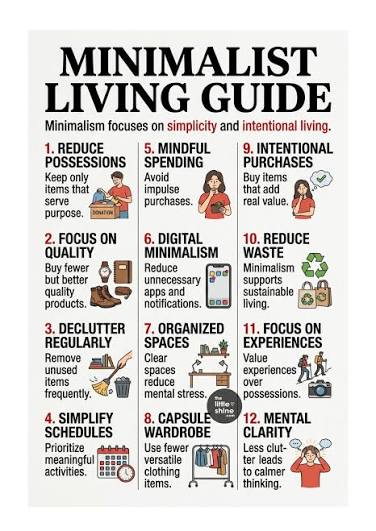
In today’s fast-paced world, many people feel overwhelmed by clutter, busy schedules, and constant distractions. The desire to own more, buy more, and do more often creates stress instead of happiness. This is why the concept of minimalism has gained popularity around the world. A well-planned Minimalist living guide can help individuals simplify their lives, reduce unnecessary possessions, and focus on what truly matters.
Minimalist living is not about giving up everything you own or living with only a few items. Instead, it is about intentionally choosing the things, activities, and relationships that add value to your life while eliminating what does not. By embracing minimalism, people often experience less stress, greater financial freedom, improved focus, and a deeper sense of contentment.
This Minimalist living guide will explore the principles of minimalist living, its benefits, practical steps to get started, and ways to maintain a minimalist lifestyle over the long term.
What Is Minimalist Living?
Minimalist living is a lifestyle that emphasizes simplicity and intentionality. It encourages people to remove excess possessions, commitments, and distractions that do not contribute to their happiness or personal goals. Rather than focusing on material wealth, minimalists prioritize experiences, relationships, and personal growth.
The philosophy behind minimalism is simple: own fewer things and make room for what truly matters. Every person’s version of minimalism can look different. Some people may choose to reduce their belongings significantly, while others may focus on simplifying their schedules or reducing digital clutter.
The goal is not perfection but creating a life that feels more meaningful and manageable.
Benefits of Following a Minimalist Living Guide
Reduced Stress and Anxiety
A cluttered environment often leads to a cluttered mind. When there are fewer items to organize, clean, and manage, daily life becomes less stressful. Many people find that living with fewer possessions creates a calmer and more peaceful atmosphere.
Minimalism also reduces decision fatigue. With fewer choices regarding clothing, household items, and daily commitments, individuals can focus their energy on more important matters.
Better Financial Health
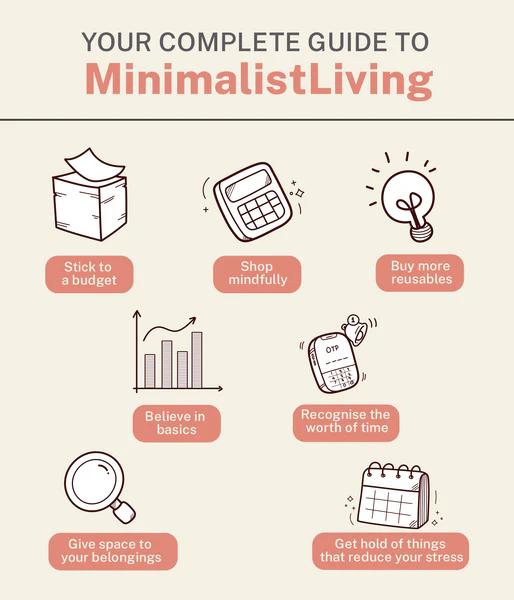
One of the most significant advantages of minimalism is improved financial stability. When people stop buying unnecessary items, they naturally spend less money. This allows them to save more, pay off debt, and invest in experiences or long-term goals.
A Minimalist living guide often encourages thoughtful purchasing decisions, helping people avoid impulse buying and consumerism.
More Time and Freedom
Owning fewer possessions means spending less time cleaning, organizing, and maintaining them. This creates more time for hobbies, family, travel, and personal development.
Minimalism can also lead to greater flexibility. Without being tied down by excessive belongings, people often find it easier to relocate, travel, or adapt to life changes.
Improved Focus and Productivity
A simplified environment can significantly improve concentration. Whether working from home or studying, fewer distractions make it easier to focus on tasks and achieve goals.
Minimalism encourages people to prioritize what is truly important rather than becoming overwhelmed by endless responsibilities.
How to Start Your Minimalist Journey
Begin with Decluttering
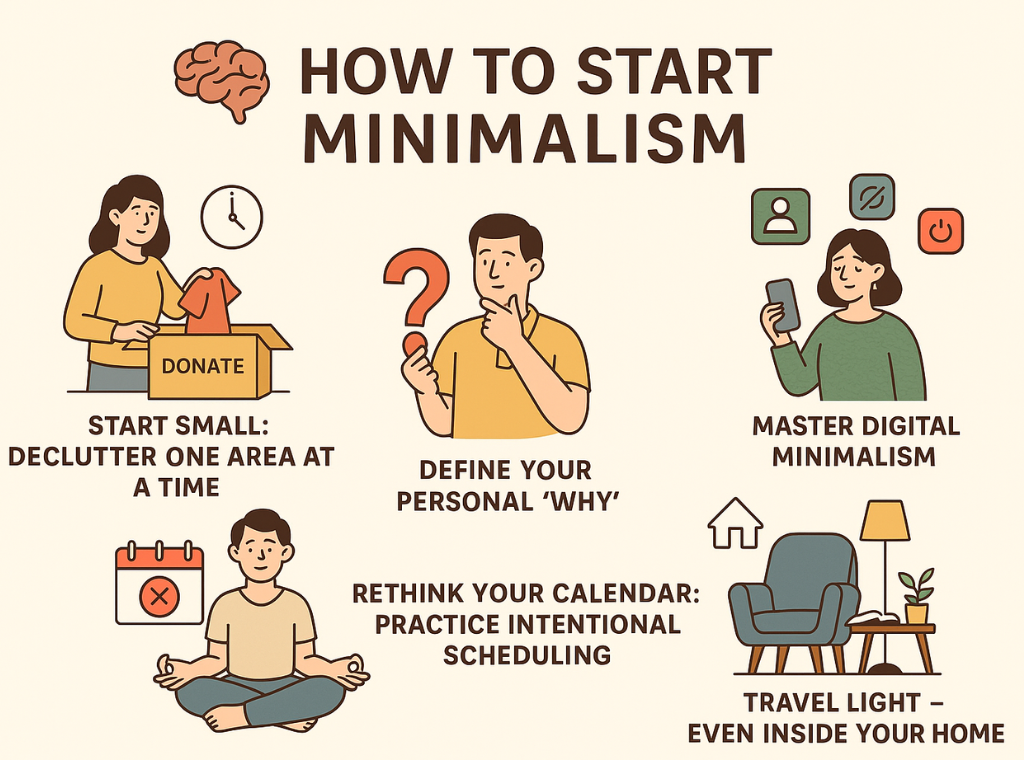
The first step in any Minimalist living guide is decluttering. Start by evaluating your belongings and asking whether each item serves a purpose or brings value to your life.
Focus on one area at a time, such as:
- Clothing
- Kitchen items
- Books
- Electronics
- Storage spaces
If you have not used an item in a long time or it no longer serves a purpose, consider donating, selling, or recycling it.
Create Clear Priorities
Minimalism is not only about physical possessions. It is also about understanding what matters most in your life.
Take time to identify your priorities, such as:
- Family
- Health
- Career
- Personal growth
- Travel
- Relationships
Once you know your priorities, you can align your time, energy, and resources accordingly.
Adopt Mindful Shopping Habits
Before purchasing anything, ask yourself:
- Do I really need this?
- Will it add value to my life?
- Do I already own something similar?
- Will I still want it in a few months?
Mindful shopping prevents unnecessary purchases and helps maintain a minimalist lifestyle.
Minimalism at Home
Simplify Your Living Space
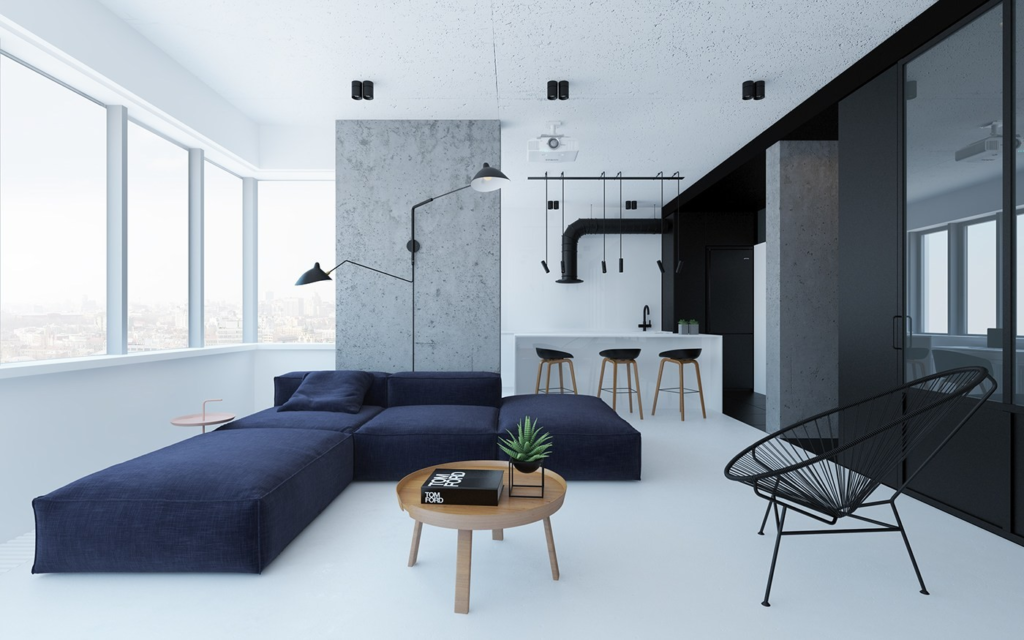
A minimalist home focuses on functionality and comfort. Instead of filling rooms with decorations and furniture, choose pieces that serve a clear purpose.
Keep surfaces clean and organized. Store only essential items and avoid accumulating unnecessary décor.
Organize Efficiently
Good organization is a key part of any Minimalist living guide. Assign specific places for important items and regularly review your belongings to prevent clutter from returning.
Storage solutions should support simplicity rather than encourage keeping unnecessary items.
Choose Quality Over Quantity
Minimalists often prefer investing in high-quality items that last longer. Durable furniture, clothing, and household goods can reduce waste and save money over time.
Buying fewer but better products supports both financial and environmental goals.
Digital Minimalism
Reduce Screen Time
Technology is useful, but excessive screen time can create stress and distraction. Set limits for social media use and establish screen-free periods during the day.
Reducing digital consumption allows more time for meaningful activities and personal connections.
Organize Digital Spaces
Digital clutter can be just as overwhelming as physical clutter. Clean up your:
- Email inbox
- Desktop files
- Smartphone apps
- Cloud storage
Keeping digital spaces organized improves productivity and reduces mental overload.
Unfollow Unnecessary Content
Curate your online environment carefully. Follow accounts and subscribe to content that inspires, educates, or supports your goals.
Removing unnecessary digital distractions contributes to a healthier and more intentional lifestyle.
Minimalism and Relationships
Minimalist living also applies to relationships. Focus on building meaningful connections rather than maintaining relationships out of obligation.
Spend more time with people who support your growth, happiness, and well-being. Quality relationships often bring more satisfaction than having a large social circle.
Meaningful conversations, shared experiences, and genuine support become more valuable when life is simplified.
Common Challenges of Minimalist Living
Fear of Letting Go
Many people struggle to part with possessions due to emotional attachment. Start slowly and remember that memories are not stored in objects.
Taking photos of sentimental items before donating them can help preserve memories while reducing clutter.
Social Pressure
Friends, family, and advertising often encourage consumerism. Staying focused on your personal goals can help you resist pressure to accumulate more possessions.
Minimalism is a personal journey, and it is important to define success on your own terms.
Maintaining Long-Term Habits
Minimalism is not a one-time project. Regularly reviewing possessions, schedules, and commitments helps maintain a simplified lifestyle.
Consistency and mindfulness are key to long-term success.
Tips for Maintaining a Minimalist Lifestyle
- Regularly declutter your home.
- Avoid impulse purchases.
- Focus on experiences rather than possessions.
- Practice gratitude for what you already have.
- Create intentional daily routines.
- Limit digital distractions.
- Review your goals frequently.
- Invest in quality items.
These habits make it easier to maintain the benefits of minimalist living over time.
Conclusion
A well-structured Minimalist living guide can transform the way you approach possessions, finances, relationships, and daily routines. Minimalism is not about deprivation; it is about making intentional choices that support a meaningful and fulfilling life.
By reducing clutter, simplifying commitments, and focusing on what truly matters, you can create more space for happiness, freedom, and personal growth. Whether you begin with a single drawer or an entire home, every step toward minimalism can lead to a calmer, more organized, and more satisfying life.
The journey may take time, but the rewards of living with purpose and simplicity are well worth the effort.
Frequently Asked Questions (FAQs)
1. What is minimalist living?
Minimalist living is a lifestyle focused on reducing unnecessary possessions and distractions to prioritize what truly matters.
2. How do I start living a minimalist lifestyle?
Start by decluttering your home, identifying your priorities, and practicing mindful purchasing habits.
3. Does minimalism save money?
Yes, minimalism often helps people spend less, save more, and make smarter financial decisions.
4. Can families practice minimalist living?
Absolutely. Families can benefit from reduced clutter, improved organization, and more meaningful experiences together.
5. Is minimalist living difficult to maintain?
With consistent habits and intentional choices, maintaining a minimalist lifestyle becomes easier over time.