


Introduction
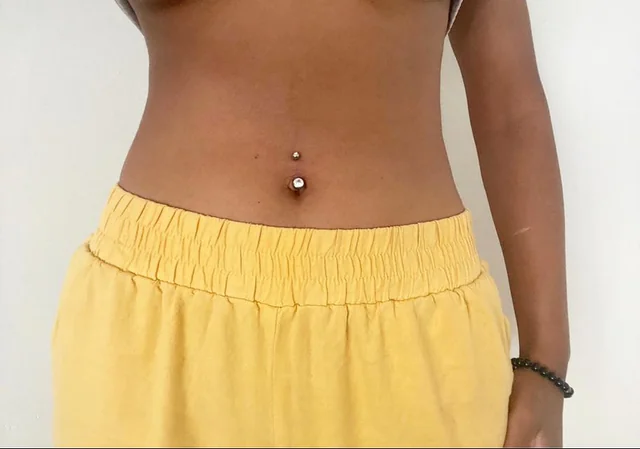
An outie belly button piercing is a unique form of body jewelry that has gained attention as more people look for personalized ways to express their style. While traditional navel piercings are commonly performed on people with an innie belly button, many individuals with an outie wonder whether they can safely get their belly button pierced. The answer depends on the shape of the navel, the amount of surrounding skin, and an evaluation by an experienced professional piercer.
Having an outie belly button does not automatically mean you cannot get a piercing. However, the anatomy of an outie differs from an innie, which can make standard navel piercings more challenging. In some cases, a modified piercing placement or an alternative style may be recommended to ensure proper healing and reduce the risk of complications.
This complete guide explains everything you need to know about outie belly button piercing, including eligibility, procedure, jewelry options, healing time, aftercare, risks, costs, and tips for achieving the best results.
What Is an Outie Belly Button?
An outie belly button protrudes outward instead of curving inward. This shape usually develops because of the way the umbilical cord healed after birth. Less commonly, an outie may result from an umbilical hernia or excess scar tissue.
Most outie belly buttons are completely normal and healthy. The main difference from an innie is simply the outward appearance, although this can influence whether a traditional navel piercing is suitable.
Can You Get an Outie Belly Button Piercing?
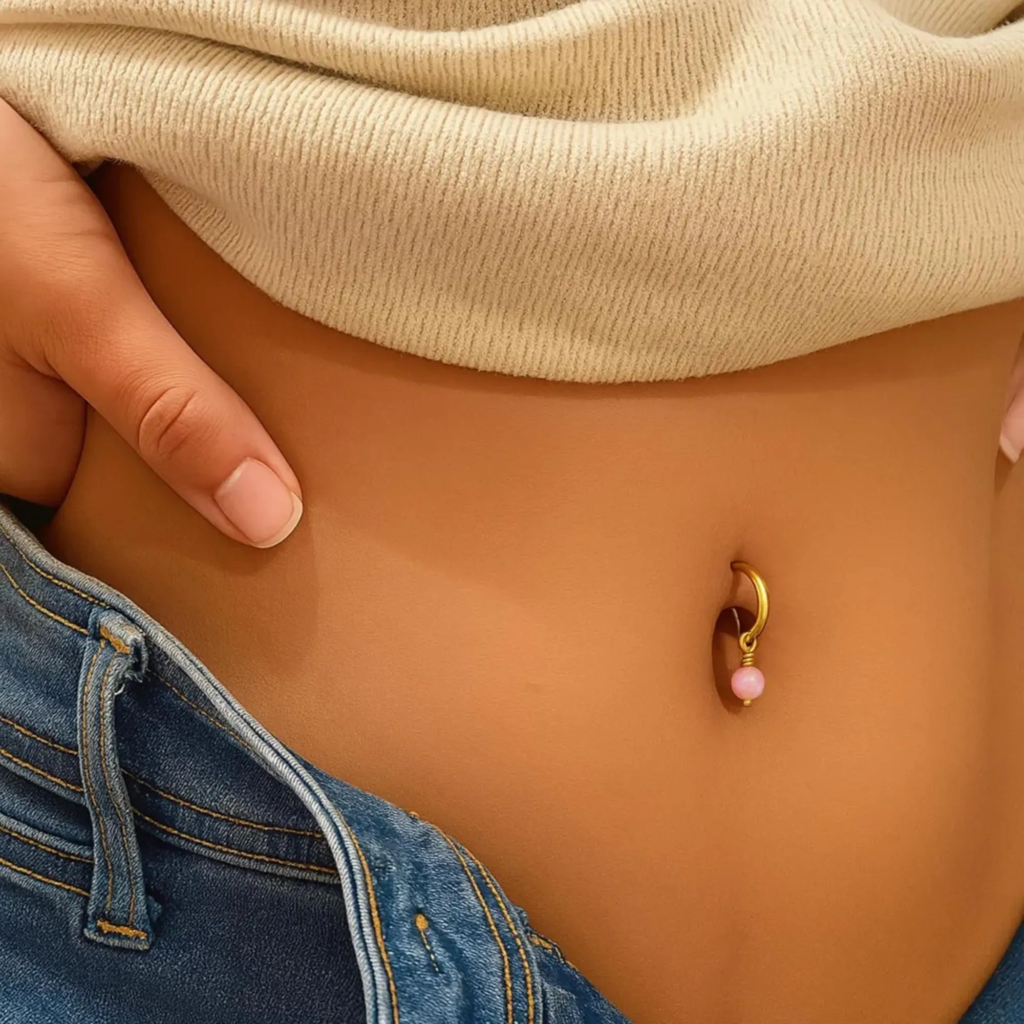
Yes, in some cases you can get an outie belly button piercing, but not everyone with an outie is a good candidate.
A professional piercer will examine:
- The amount of skin above the navel
- The shape of the belly button
- Skin thickness
- Placement options
- Whether the protrusion is soft tissue or related to a hernia
If there is enough healthy tissue above the navel, a traditional upper-rim navel piercing may still be possible. If not, your piercer may recommend an alternative placement or advise against piercing for safety reasons.
Why Anatomy Matters
Successful piercings depend on anatomy rather than appearance alone.
A standard belly button piercing passes through the fold of skin above the navel—not through the belly button itself.
Many people with outie belly buttons still have enough upper tissue to support jewelry. Others may not have sufficient skin, increasing the risk of:
- Jewelry rejection
- Migration
- Poor healing
- Scarring
For this reason, a consultation with an experienced piercer is essential before making a decision.
Types of Belly Button Piercings for Outies
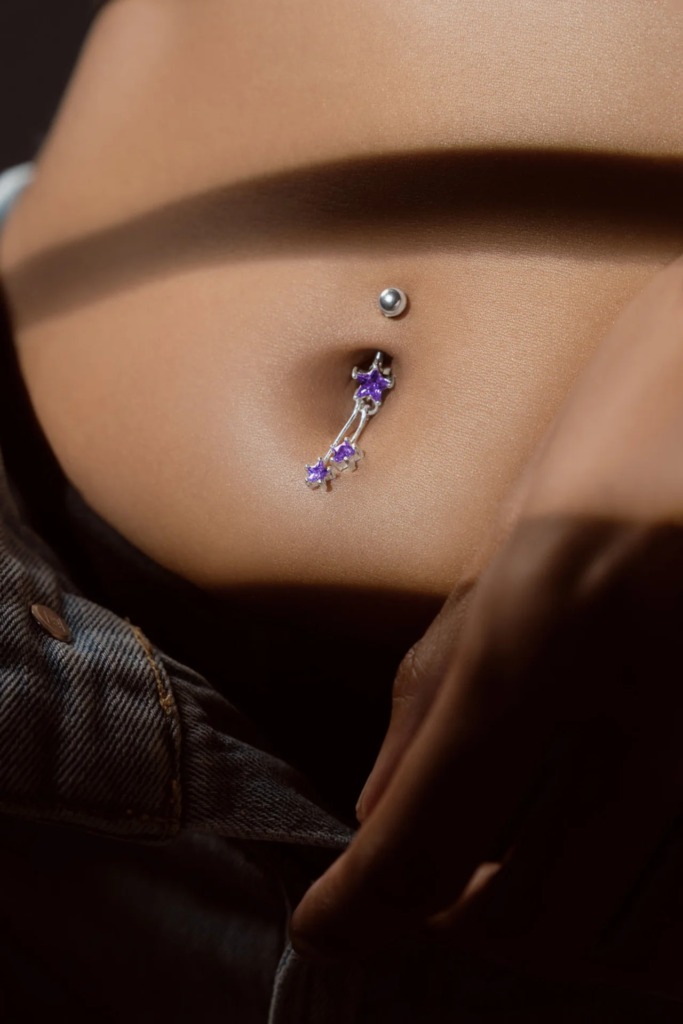
Depending on your anatomy, several piercing styles may be suitable.
Traditional Upper Navel Piercing
This is the most common option if enough skin exists above the belly button.
Floating Navel Piercing
A floating navel piercing uses jewelry designed with a flat disc instead of a decorative bottom bead. It works well for certain outie anatomies and reduces pressure on the lower part of the piercing.
Custom Placement
Some professional piercers adjust the placement slightly to accommodate individual anatomy while maintaining a balanced appearance.
Best Jewelry for an Outie Belly Button Piercing
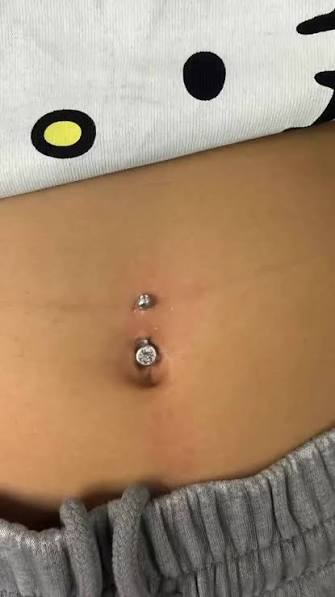
Choosing high-quality jewelry is important for healing and comfort.
Recommended materials include:
- Implant-grade titanium
- 14K or 18K gold (nickel-free)
- Surgical stainless steel (for those without metal sensitivities)
- Niobium
Popular jewelry styles include:
- Curved barbells
- Floating navel jewelry
- Simple gemstone tops
- Small decorative charms (after healing)
Avoid low-quality or plated jewelry, as it may increase the risk of irritation or allergic reactions.
The Piercing Procedure
The procedure is usually quick and performed by a trained professional.
Typical steps include:
- Cleaning and disinfecting the area.
- Assessing your anatomy.
- Marking the piercing location.
- Using a sterile needle to create the piercing.
- Inserting the jewelry.
- Providing aftercare instructions.
Most people describe the pain as brief and manageable.
Pain Level
The pain of an outie belly button piercing varies from person to person.
Many people rate the discomfort between 4 and 6 out of 10. The piercing itself lasts only a few seconds, followed by mild soreness for several days.
Pain may be slightly different depending on the thickness of the tissue being pierced.
Healing Time
Healing depends on your body’s ability to recover and how well you follow aftercare instructions.
Most navel piercings heal in approximately:
- 6 to 12 months
Factors that influence healing include:
- Proper cleaning
- Jewelry quality
- Friction from clothing
- Sleeping position
- Overall health
Avoid changing the jewelry until the piercing is fully healed unless advised by your piercer.
Aftercare Tips
Proper aftercare is essential for successful healing.
Clean the Piercing
Use a sterile saline solution to gently clean the piercing once or twice daily.
Avoid Touching
Only touch the jewelry with clean hands to reduce the risk of infection.
Wear Loose Clothing
Tight waistbands may rub against the jewelry, causing irritation and delaying healing.
Avoid Swimming Early
Stay out of pools, hot tubs, lakes, and oceans during the early healing period to reduce the risk of infection.
Don’t Rotate the Jewelry
Modern piercing aftercare recommends leaving the jewelry in place rather than twisting it.
Possible Risks
Like any body piercing, an outie belly button piercing carries potential risks.
These include:
- Infection
- Irritation
- Jewelry rejection
- Migration
- Scarring
- Swelling
- Allergic reactions
- Prolonged healing
Choosing an experienced piercer and following aftercare instructions greatly reduces these risks.
Signs of Infection
Seek medical advice if you notice:
- Increasing redness
- Severe swelling
- Thick yellow or green discharge
- Fever
- Worsening pain
- A foul odor from the piercing
Some redness and tenderness are normal during the first few days, but symptoms that worsen instead of improving should be evaluated.
Cost of an Outie Belly Button Piercing
The price varies depending on your location, the piercer’s experience, and the jewelry you choose.
Typical costs may include:
- Piercing service
- Implant-grade jewelry
- Sterile supplies
- Aftercare products
Choosing a reputable studio is more important than selecting the lowest price.
Who Should Avoid an Outie Belly Button Piercing?
You may need to postpone or avoid the piercing if you have:
- An untreated umbilical hernia
- Active skin infections
- Certain medical conditions that impair healing
- Pregnancy (consult your healthcare provider)
- Insufficient tissue for safe placement
A professional assessment is the safest way to determine eligibility.
Tips for Choosing a Professional Piercer
Look for a piercer who:
- Has experience with different navel anatomies
- Uses sterile, single-use needles
- Offers implant-grade jewelry
- Explains aftercare clearly
- Maintains a clean, licensed studio
- Is willing to refuse unsafe piercings when necessary
An experienced piercer will prioritize your safety over making a sale.
Final Thoughts
An outie belly button piercing can be a stylish and safe option for many people, but success depends on individual anatomy rather than simply having an outie or innie belly button. The amount of skin available, the placement of the piercing, and the skill of your piercer all play important roles in achieving a healthy result.
Before getting pierced, schedule a consultation with a reputable professional who can evaluate your anatomy and recommend the safest option. With high-quality jewelry, proper aftercare, and patience during healing, many people enjoy beautiful, long-lasting navel piercings regardless of their belly button shape.
Frequently Asked Questions (FAQs)
1. Can everyone with an outie belly button get a piercing?
No. It depends on the amount of skin and your individual anatomy, which should be assessed by a professional piercer.
2. Does an outie belly button piercing hurt more?
Pain varies by person, but most people report moderate discomfort similar to a standard navel piercing.
3. How long does an outie belly button piercing take to heal?
Most navel piercings heal in about 6 to 12 months with proper aftercare.
4. What jewelry is best for an outie belly button piercing?
Implant-grade titanium curved barbells or floating navel jewelry are commonly recommended for initial piercings.
5. Can I pierce an outie belly button caused by a hernia?
No. If your outie is due to an umbilical hernia, consult a healthcare provider first. A piercer should not pierce through tissue affected by a hernia.