

Introduction
Planning for retirement is one of the smartest financial decisions you can make, and a Roth IRA guide can help you understand one of the most powerful retirement savings accounts available in the United States. A Roth IRA allows your investments to grow tax-free, and qualified withdrawals during retirement are also tax-free. This makes it an excellent option for people who expect to be in the same or a higher tax bracket in the future.
Whether you’re just beginning your investing journey or looking to improve your retirement strategy, this Roth IRA guide explains everything you need to know. You’ll learn how a Roth IRA works, who qualifies, contribution limits, investment choices, advantages, disadvantages, and tips for maximizing long-term growth.
What Is a Roth IRA?
A Roth IRA (Individual Retirement Account) is a retirement savings account funded with money that has already been taxed. Unlike a Traditional IRA, you do not receive a tax deduction when you contribute. However, your investments grow tax-free, and qualified withdrawals during retirement are completely tax-free.
This feature makes a Roth IRA one of the most attractive retirement accounts for long-term investors.
How a Roth IRA Works
Understanding how a Roth IRA works is the first step in this Roth IRA guide. You contribute after-tax income into your account, choose investments such as stocks, ETFs, mutual funds, or bonds, and allow those investments to grow over time.
If you follow IRS rules regarding age and account ownership, you can withdraw both your contributions and earnings tax-free during retirement.
This combination of tax-free growth and tax-free withdrawals is what makes a Roth IRA unique.
Benefits of a Roth IRA
Tax-Free Retirement Income
One of the biggest advantages is that qualified withdrawals are completely tax-free.
Tax-Free Investment Growth
Your investments can compound for decades without annual taxes reducing your returns.
Flexible Withdrawals
You can generally withdraw your original contributions at any time without taxes or penalties.
No Required Minimum Distributions
Unlike Traditional IRAs, Roth IRAs do not require mandatory withdrawals during your lifetime.
Ideal for Young Investors
Younger investors often benefit because they have more years for tax-free compounding.
Who Can Open a Roth IRA?
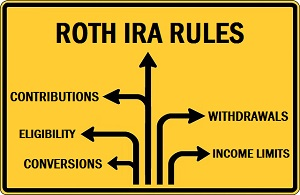
A Roth IRA is available to individuals who have earned income and meet annual income eligibility requirements.
Common eligible individuals include:
- Full-time employees
- Part-time workers
- Self-employed individuals
- Freelancers
- Small business owners
Income limits may reduce or eliminate eligibility for higher-income earners.
Roth IRA Contribution Limits
Each year, the IRS sets maximum contribution limits.
Contribution limits may change annually, so investors should review the latest IRS guidelines before making contributions.
You can contribute until the annual tax filing deadline for the previous tax year.
Investment Options Inside a Roth IRA
A good Roth IRA guide should explain that the account itself is not an investment. Instead, it holds investments chosen by the account owner.
Popular investment choices include:
- Exchange-Traded Funds (ETFs)
- Index Funds
- Mutual Funds
- Individual Stocks
- Bonds
- Dividend Funds
- Target-Date Retirement Funds
Many investors build diversified portfolios using low-cost index ETFs.
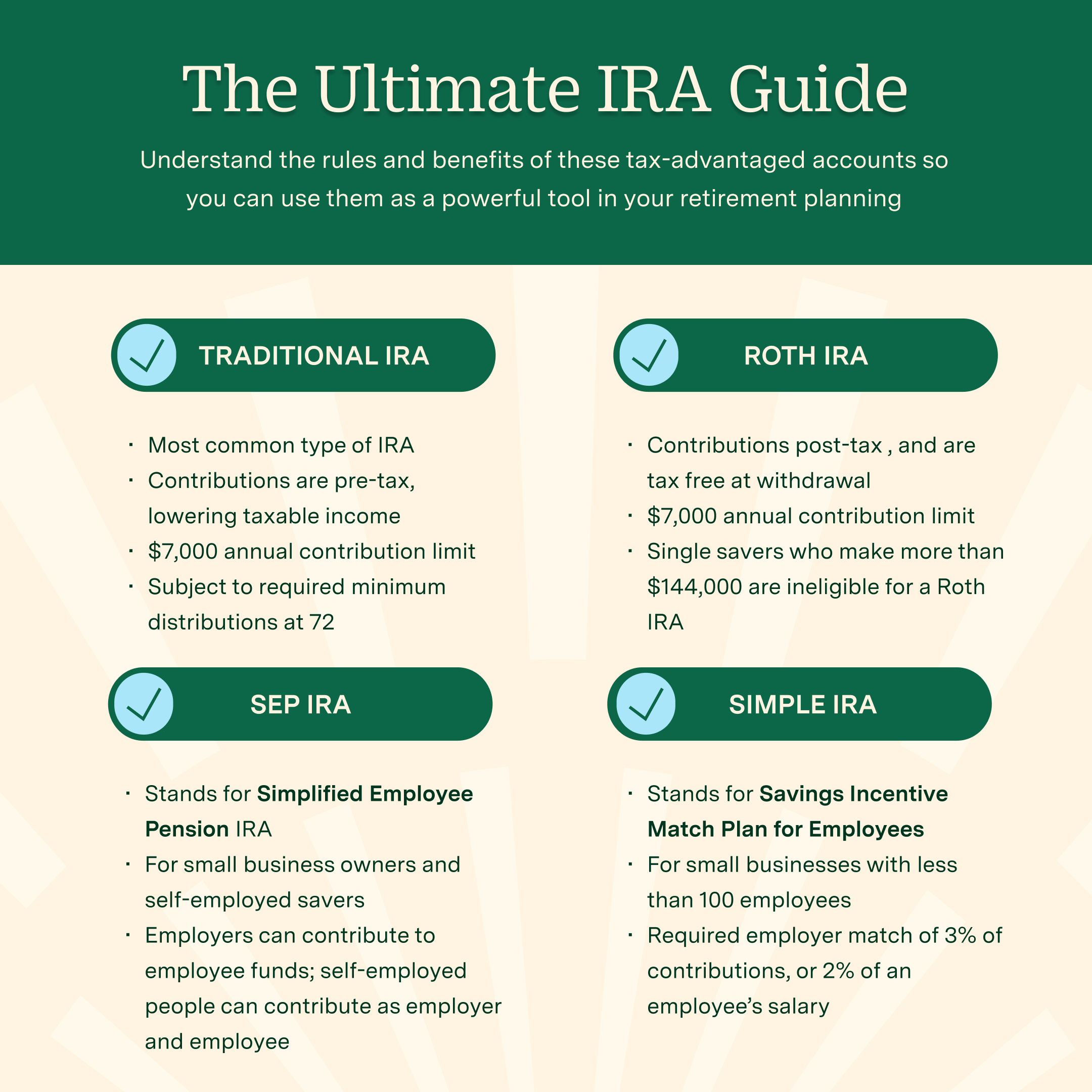
Roth IRA vs Traditional IRA
Although both accounts help save for retirement, they differ significantly.
Roth IRA
- Contributions are made with after-tax money.
- Qualified withdrawals are tax-free.
- No required minimum distributions.
- Better for investors expecting higher future tax rates.
Traditional IRA
- Contributions may be tax-deductible.
- Withdrawals are taxed during retirement.
- Required minimum distributions apply after reaching the required age.
- Better for investors seeking immediate tax deductions.
Advantages of a Roth IRA
A Roth IRA offers several important benefits.
- Tax-free retirement income
- Long-term compound growth
- Flexible withdrawal rules
- Wide investment choices
- Estate planning advantages
- No lifetime required minimum distributions
These features make Roth IRAs one of the most valuable retirement planning tools available.
Potential Disadvantages
Although highly beneficial, Roth IRAs also have limitations.
- Contributions are not tax-deductible.
- Income eligibility limits apply.
- Annual contribution limits may restrict larger investments.
- Early withdrawal of earnings may trigger taxes and penalties.
Understanding these limitations helps investors make informed decisions.
How to Build a Roth IRA Portfolio
Many successful investors build diversified retirement portfolios.
A sample allocation may include:
- U.S. Stock Index ETF
- International Stock ETF
- Bond ETF
- Dividend ETF
- Growth ETF
Diversification reduces risk while improving long-term growth potential.
Tips for Maximizing Your Roth IRA
To get the most from this Roth IRA guide, consider these strategies:
- Start investing as early as possible.
- Contribute consistently every year.
- Invest for the long term.
- Reinvest dividends.
- Choose low-cost investment funds.
- Diversify across different asset classes.
- Avoid emotional buying and selling.
Small, consistent investments can grow substantially over decades through compound returns.
Common Roth IRA Mistakes
Many investors make avoidable mistakes.
Common errors include:
- Waiting too long to start investing.
- Leaving cash uninvested.
- Ignoring diversification.
- Missing annual contributions.
- Frequently trading investments.
- Choosing high-fee funds.
Avoiding these mistakes can improve long-term retirement results.
Is a Roth IRA Right for You?
A Roth IRA is often an excellent choice if you:
- Are early in your career.
- Expect higher future income.
- Want tax-free retirement withdrawals.
- Prefer long-term investing.
- Want flexibility without required minimum distributions.
Every investor’s financial situation is different, so it’s important to evaluate your retirement goals before choosing an account.
Conclusion
This Roth IRA guide highlights why a Roth IRA remains one of the best retirement savings options for long-term investors. With tax-free growth, tax-free qualified withdrawals, flexible contribution rules, and no required minimum distributions, it offers significant advantages for building retirement wealth.
Starting early, contributing regularly, investing in diversified funds, and maintaining a long-term mindset can help maximize the benefits of a Roth IRA. Whether you’re just beginning your retirement journey or strengthening your investment strategy, a Roth IRA can play a key role in achieving financial security.
Frequently Asked Questions (FAQ)
1. What is a Roth IRA?
A Roth IRA is a retirement account that allows tax-free investment growth and tax-free qualified withdrawals.
2. Who can open a Roth IRA?
Anyone with eligible earned income who meets IRS income requirements can open a Roth IRA.
3. Can I withdraw money from my Roth IRA?
You can generally withdraw your contributions at any time, while earnings are subject to specific rules.
4. What can I invest in with a Roth IRA?
You can invest in ETFs, mutual funds, stocks, bonds, index funds, and other eligible investments.
5. Is a Roth IRA good for beginners?
Yes. A Roth IRA is an excellent retirement savings option for beginners because of its tax advantages and long-term growth potential.