

Losing weight is not about starving yourself or following extreme diets. Sustainable weight loss comes from making healthier food choices, maintaining a calorie deficit, and developing habits that support long-term wellness. One of the most effective strategies is incorporating nutrient-dense foods that keep you full, provide essential nutrients, and help control cravings.
Many people assume that weight loss requires giving up their favorite foods completely. However, successful weight management is often about choosing foods that satisfy hunger while supporting your health goals. The best foods for weight loss are typically rich in protein, fiber, healthy fats, vitamins, and minerals. These nutrients help promote fullness, stabilize blood sugar levels, and reduce unnecessary snacking.
In this guide, we will explore some of the best foods for weight loss and explain how they can fit into a healthy eating plan.
Why Food Choices Matter for Weight Loss
Weight loss ultimately depends on consuming fewer calories than your body burns. However, not all calories affect hunger and satisfaction in the same way. Some foods leave you feeling hungry shortly after eating, while others help you stay full for hours.
Foods rich in protein and fiber tend to be the most filling. They can help reduce overall calorie intake without making you feel deprived. Choosing nutrient-rich foods also ensures that your body receives the vitamins and minerals it needs while losing weight.
1. Eggs
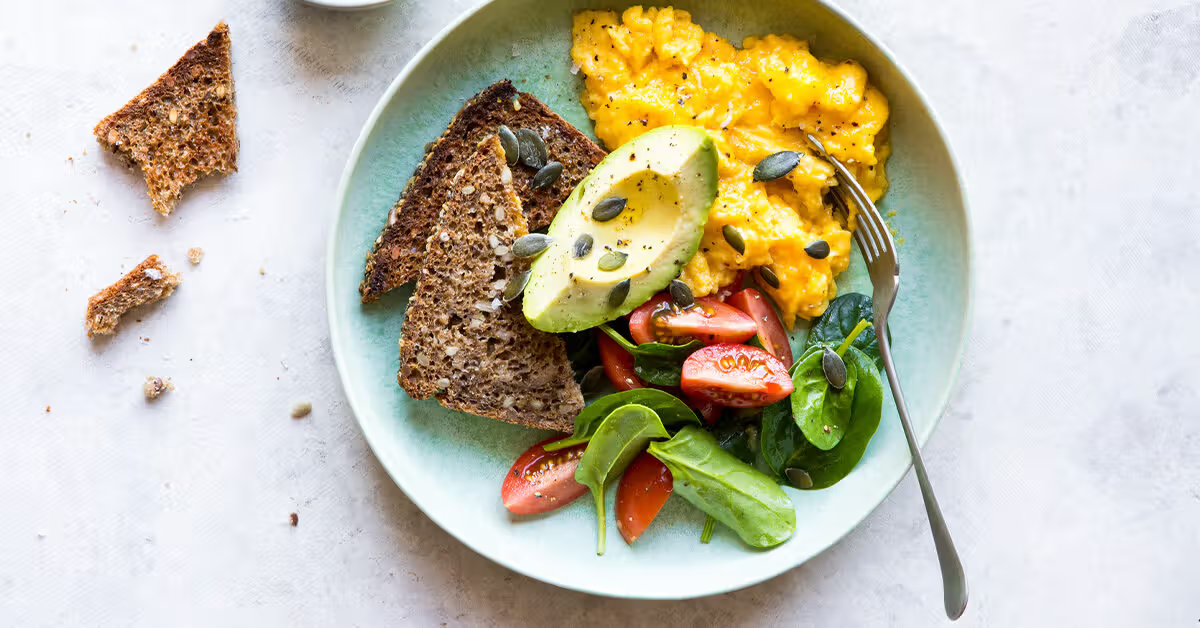
Eggs are among the most nutritious foods available. They are rich in high-quality protein, vitamins, and minerals. Eating eggs for breakfast may help increase feelings of fullness and reduce calorie intake throughout the day.
Protein-rich meals often help people stay satisfied longer, making eggs an excellent choice for anyone trying to lose weight.
2. Oats
Oats are a popular breakfast option because they contain soluble fiber, particularly beta-glucan. This fiber slows digestion and promotes feelings of fullness.
A bowl of oatmeal can provide sustained energy and help prevent unhealthy snacking between meals.
3. Greek Yogurt
Greek yogurt contains significantly more protein than regular yogurt. Protein supports muscle maintenance and helps control hunger.
Choose plain, unsweetened Greek yogurt whenever possible to avoid added sugars that may interfere with weight loss goals.
4. Leafy Green Vegetables
Spinach, kale, lettuce, and other leafy greens are low in calories but packed with nutrients. Their high fiber and water content make them filling while contributing very few calories.
Adding leafy greens to meals is an easy way to increase portion sizes without significantly increasing calorie intake.
5. Chicken Breast
Lean protein sources such as chicken breast are highly beneficial for weight loss. Protein requires more energy to digest than carbohydrates or fats and helps preserve muscle mass during weight loss.
Grilled or baked chicken can be a healthy addition to salads, wraps, and balanced meals.
6. Fish
Fish such as salmon, tuna, and mackerel are rich in protein and healthy omega-3 fatty acids. These nutrients support overall health while helping maintain feelings of fullness.
Including fish in your weekly meal plan can support both weight management and heart health.
7. Beans and Legumes
Beans, lentils, chickpeas, and peas are excellent sources of protein and fiber. This combination makes them particularly filling and useful for controlling appetite.
Legumes are also versatile and can be added to soups, salads, and main dishes.
8. Apples
Apples are naturally low in calories and high in fiber. Eating whole fruits rather than drinking fruit juice provides greater satiety and helps manage hunger.
An apple can be a convenient and nutritious snack during a weight loss journey.
9. Berries
Blueberries, strawberries, raspberries, and blackberries are rich in antioxidants and fiber. They provide natural sweetness while containing relatively few calories.
Berries can satisfy sweet cravings without contributing excessive calories.
10. Avocados
Although avocados are higher in calories than many fruits, they contain healthy fats and fiber that help promote fullness.
When consumed in moderation, avocados can be part of a healthy weight loss plan.
11. Nuts
Almonds, walnuts, pistachios, and other nuts contain healthy fats, protein, and fiber. These nutrients make nuts satisfying and nutritious snacks.
Portion control is important because nuts are calorie-dense.
12. Sweet Potatoes
Sweet potatoes provide complex carbohydrates, fiber, and important vitamins. Their fiber content helps slow digestion and maintain steady energy levels.
They are often a healthier alternative to highly processed carbohydrate sources.
13. Cottage Cheese
Cottage cheese is another protein-rich food that supports fullness and muscle maintenance. It is relatively low in calories while providing significant nutritional value.
Many people enjoy cottage cheese as a snack or breakfast option.
14. Broccoli
Broccoli is low in calories but high in fiber, vitamins, and minerals. It can help increase meal volume without dramatically increasing calorie intake.
Vegetables like broccoli are often recommended for healthy weight management.
15. Chia Seeds
Chia seeds absorb water and expand in the stomach, which may help increase feelings of fullness. They also provide fiber, protein, and healthy fats.
Adding chia seeds to smoothies, yogurt, or oatmeal can enhance the nutritional value of meals.
Foods to Limit During Weight Loss
While focusing on healthy foods, it is also helpful to reduce foods that contribute excess calories with limited nutritional value.
Examples include:
- Sugary drinks
- Highly processed snacks
- Fast food
- Excessive sweets
- Refined carbohydrates
- Deep-fried foods
Limiting these foods can make it easier to maintain a calorie deficit.
Additional Weight Loss Tips
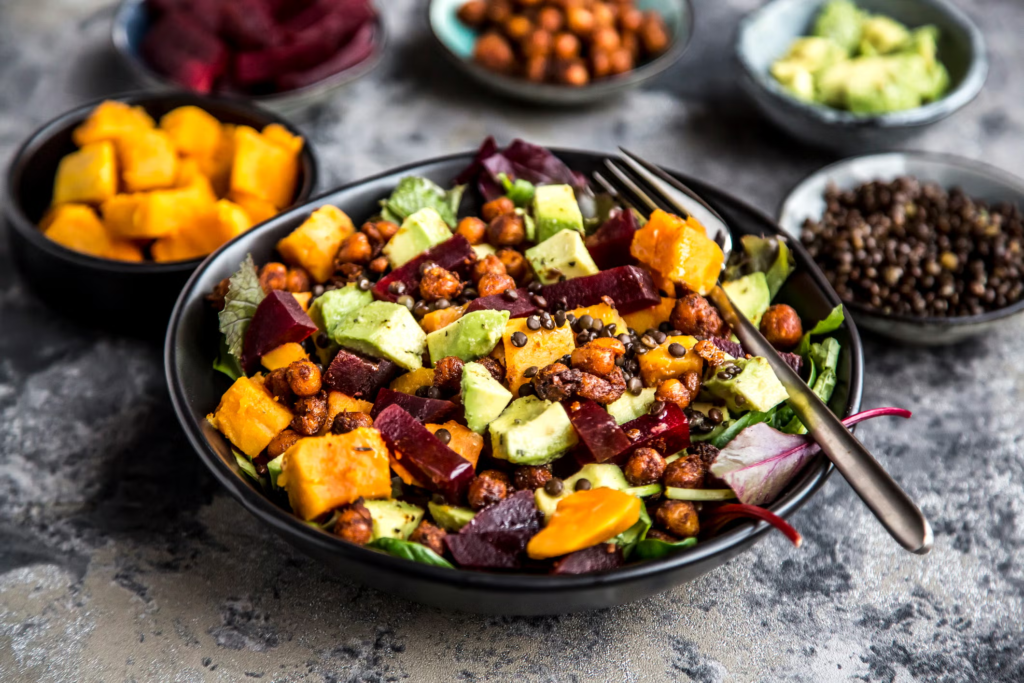
Food choices are important, but lifestyle habits also play a major role in weight management.
Consider the following strategies:
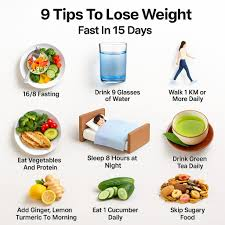
- Drink plenty of water.
- Prioritize quality sleep.
- Stay physically active.
- Eat slowly and mindfully.
- Monitor portion sizes.
- Focus on consistency rather than perfection.
Small, sustainable changes often produce better long-term results than restrictive diets.
Conclusion
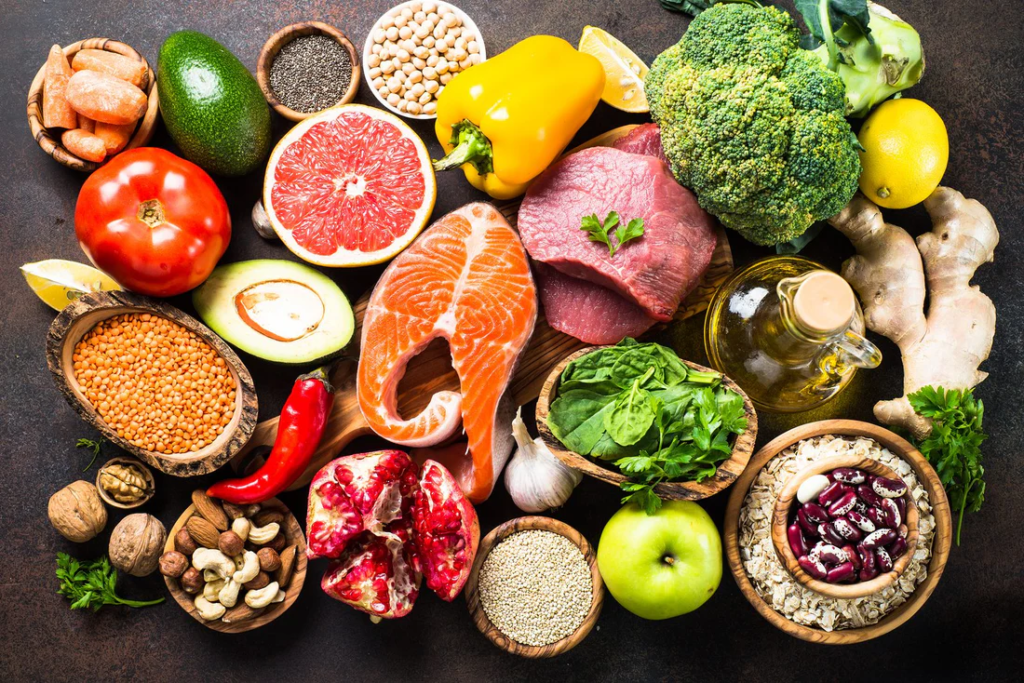
The best foods for weight loss are those that help you stay satisfied while providing essential nutrients. Foods rich in protein, fiber, and healthy fats can support appetite control, reduce cravings, and make it easier to maintain a calorie deficit.
Eggs, oats, Greek yogurt, leafy greens, lean proteins, fruits, vegetables, legumes, and healthy fats can all play valuable roles in a successful weight loss plan. By combining these foods with regular physical activity and healthy lifestyle habits, you can create a sustainable approach to achieving and maintaining a healthy weight.
Frequently Asked Questions
What are the best foods for weight loss?
Foods high in protein and fiber, such as eggs, oats, Greek yogurt, leafy greens, and beans, are excellent choices.
Can I lose weight without giving up carbohydrates?
Yes. Choosing complex carbohydrates such as oats, sweet potatoes, and whole grains can support healthy weight loss.
Are fruits good for weight loss?
Yes. Most fruits are rich in fiber and nutrients while being relatively low in calories.
How much protein should I eat when trying to lose weight?
Protein needs vary, but consuming adequate protein can help maintain muscle mass and control hunger.
Do healthy fats help with weight loss?
Yes. Healthy fats from foods like avocados, nuts, and fish can promote fullness and support overall health.