


Introduction
Investing has become more accessible than ever, and exchange-traded funds (ETFs) are one of the easiest ways to build wealth over time. If you’re searching for an ETF investing guide, you’re likely looking for a simple and practical way to understand how ETFs work and whether they are the right investment choice for your financial goals. Whether you’re a beginner starting with your first investment or someone looking to diversify an existing portfolio, ETFs offer flexibility, affordability, and broad market exposure.
This ETF investing guide explains everything you need to know about ETFs, including how they work, their advantages, risks, different types, and strategies for building a successful investment portfolio. By understanding the basics, you’ll be better prepared to make informed investment decisions and grow your wealth steadily.
What Is an ETF?
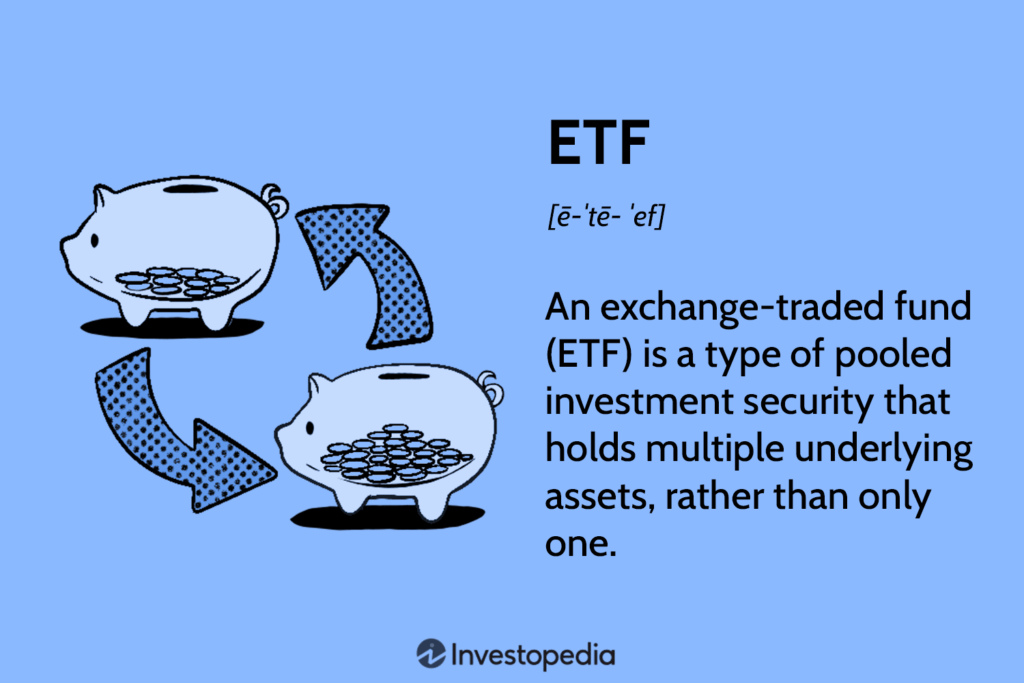
An Exchange-Traded Fund (ETF) is an investment fund that holds a collection of assets such as stocks, bonds, commodities, or other securities. Unlike traditional mutual funds, ETFs trade on stock exchanges throughout the day, just like individual stocks.
When you purchase shares of an ETF, you are buying a small portion of all the investments held within that fund. This allows investors to gain instant diversification without purchasing dozens or even hundreds of individual securities.
ETFs have become increasingly popular because they combine the diversification benefits of mutual funds with the flexibility of stock trading.
How ETFs Work
Understanding how ETFs function is essential in any ETF investing guide. Most ETFs are designed to track the performance of a specific index, sector, or asset class. For example, an ETF may follow the performance of the S&P 500, technology companies, healthcare stocks, or government bonds.
Since ETFs trade on stock exchanges, investors can buy and sell shares during market hours at market prices. Their prices fluctuate throughout the trading day based on supply and demand.
This flexibility makes ETFs attractive to investors who want easy access to different markets without actively managing individual investments.
Benefits of Investing in ETFs
Instant Diversification
One of the biggest advantages of ETFs is diversification. Instead of relying on the success of one company, investors spread their money across many different investments. This helps reduce the overall risk in a portfolio.
Lower Costs
Many ETFs have lower management fees than actively managed mutual funds. Since most ETFs simply track an index, operating expenses remain relatively low.
Easy to Buy and Sell
Because ETFs trade like stocks, investors can purchase or sell them at any time during regular market hours.
Transparency
Most ETF providers publish their holdings daily, allowing investors to know exactly what assets they own.
Tax Efficiency
Many ETFs are designed in a way that reduces taxable capital gains, making them attractive for long-term investors.
Different Types of ETFs
A complete ETF investing guide should cover the major ETF categories.
Stock ETFs
These invest in collections of stocks and often track major market indexes.
Bond ETFs
Bond ETFs invest in government, corporate, or municipal bonds and provide regular income opportunities.
Sector ETFs
Sector ETFs focus on industries such as healthcare, technology, energy, financial services, or consumer goods.
International ETFs
International ETFs allow investors to gain exposure to companies outside their home country.
Dividend ETFs
Dividend ETFs invest in companies known for paying consistent dividends, making them popular among income-focused investors.
Commodity ETFs
Commodity ETFs track assets like gold, silver, oil, or agricultural products.
Thematic ETFs
These ETFs invest around emerging trends such as artificial intelligence, clean energy, cybersecurity, robotics, or electric vehicles.
Why Beginners Like ETFs
Many new investors choose ETFs because they simplify investing. Instead of researching dozens of companies, investors can purchase one ETF that already contains hundreds of stocks.
This reduces research time while providing broad market exposure.
ETFs also require relatively small investments, allowing beginners to start building portfolios even with limited capital.
Risks of ETF Investing
Every ETF investing guide should explain that no investment is completely risk-free.
Market Risk
If the overall market declines, ETFs that track those markets will usually decline as well.
Sector Risk
Sector ETFs can experience significant volatility if a particular industry struggles.
Currency Risk
International ETFs may be affected by changing exchange rates.
Liquidity Risk
Some specialized ETFs have lower trading volume, making them harder to buy or sell quickly.
Tracking Error
Occasionally an ETF may not perfectly match the performance of the index it follows.
How to Choose the Right ETF
Before investing, consider several important factors.
Investment Goals
Identify whether you’re investing for retirement, passive income, education, or long-term wealth.
Expense Ratio
Lower fees help maximize long-term returns.
Fund Size
Larger ETFs often provide better liquidity and stability.
Holdings
Review what companies or assets are included in the ETF.
Historical Performance
While past performance doesn’t guarantee future results, reviewing long-term trends provides useful insights.
Building an ETF Portfolio
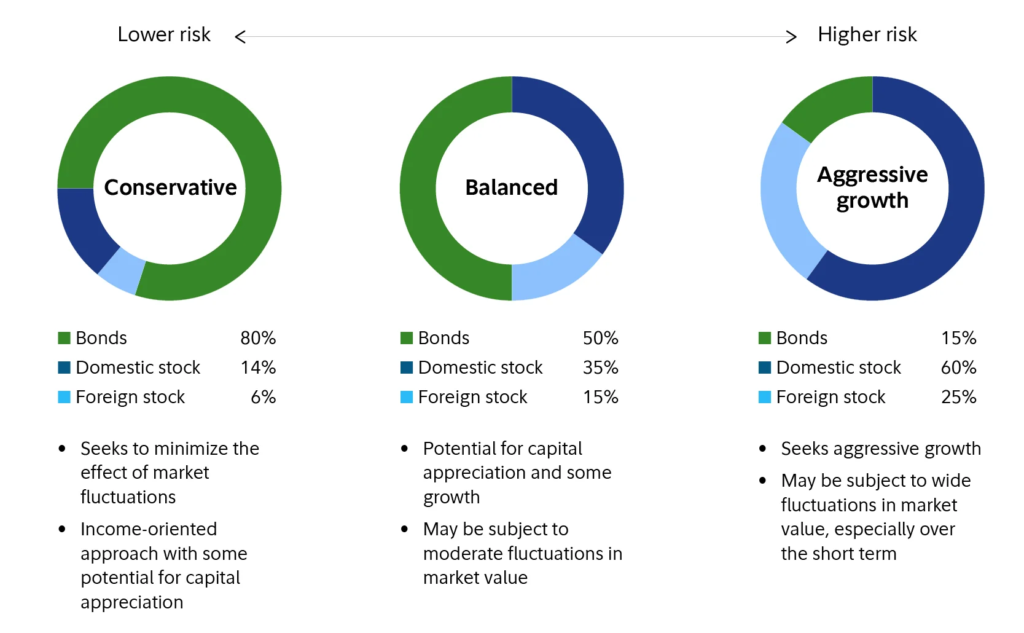
A balanced portfolio often includes multiple ETF categories.
For example:
- U.S. stock ETF
- International stock ETF
- Bond ETF
- Dividend ETF
- Sector ETF
- Commodity ETF
This diversified approach reduces dependence on a single investment while increasing long-term stability.
Long-Term ETF Investing Strategy
Successful ETF investing usually focuses on patience rather than frequent trading.
Many investors use dollar-cost averaging by investing a fixed amount every month regardless of market conditions. This approach reduces the impact of short-term market fluctuations.
Reinvesting dividends can further increase long-term growth through compounding.
Maintaining a diversified portfolio and avoiding emotional investment decisions often leads to stronger results over time.
ETF Investing Mistakes to Avoid
Many investors make common mistakes when starting.
Avoid:
- Chasing recent performance
- Buying too many similar ETFs
- Ignoring expense ratios
- Trying to time the market
- Selling during temporary market declines
- Investing without clear financial goals
Staying disciplined often leads to better long-term outcomes.
Who Should Invest in ETFs?
ETFs are suitable for many different investors.
They work well for:
- Beginners
- Retirement investors
- Passive investors
- Long-term wealth builders
- Dividend investors
- College savings plans
- Portfolio diversification
Whether investing monthly or making larger contributions, ETFs can fit almost every investment strategy.
Are ETFs Better Than Individual Stocks?
Both have advantages.
Individual stocks offer the possibility of higher returns but also carry greater risk.
ETFs reduce risk by spreading investments across many companies.
For most beginners, ETFs provide a simpler and safer starting point while still offering strong long-term growth potential.
Tips for Successful ETF Investing
To make the most of this ETF investing guide, remember these best practices:
- Invest consistently.
- Stay diversified.
- Focus on long-term goals.
- Keep investment costs low.
- Reinvest dividends whenever possible.
- Review your portfolio periodically.
- Avoid emotional buying and selling.
Following these habits can significantly improve long-term investment success.
Conclusion
This ETF investing guide demonstrates why exchange-traded funds have become one of the most popular investment options for both beginners and experienced investors. ETFs provide instant diversification, lower costs, flexibility, and access to virtually every area of the financial markets.
While no investment is without risk, building a diversified ETF portfolio and maintaining a long-term investment mindset can help investors achieve their financial goals. By understanding how ETFs work, choosing funds that align with your objectives, and investing consistently over time, you can build a strong foundation for long-term wealth creation.
Frequently Asked Questions (FAQ)
1. What is an ETF in simple terms?
An ETF is a fund that holds multiple investments and trades on a stock exchange like a regular stock.
2. Are ETFs good for beginners?
Yes, ETFs are considered one of the best investment options for beginners because they offer diversification and low costs.
3. How much money do I need to start investing in ETFs?
Many brokers allow you to start investing with a small amount, especially if they offer fractional ETF shares.
4. Are ETFs safer than individual stocks?
Generally, yes. ETFs spread investments across many companies, reducing the risk associated with owning a single stock.
5. Can ETFs be held for the long term?
Yes, many investors hold ETFs for years or even decades as part of a long-term wealth-building strategy.