

Introduction
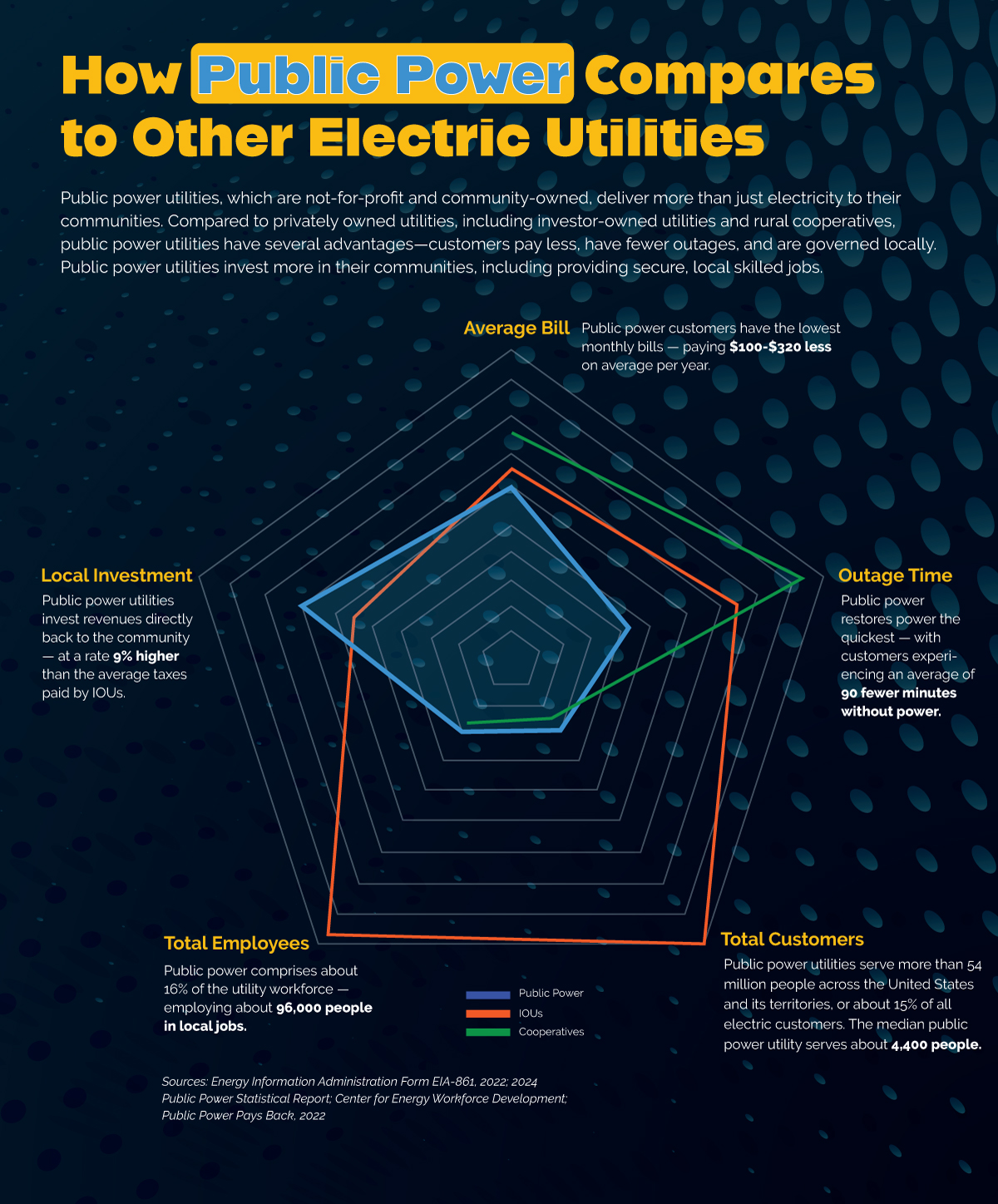
Understanding public power electric rates is important for homeowners, renters, and businesses that want to manage their electricity costs effectively. Public power utilities are community-owned electric providers that operate on a not-for-profit basis. Unlike investor-owned utilities, they generally focus on providing reliable electricity at competitive prices while reinvesting revenue into system improvements and local services.
Electric rates vary depending on several factors, including energy generation costs, transmission expenses, infrastructure maintenance, government regulations, seasonal demand, and local utility policies. Public power providers often strive to keep rates stable, but adjustments may occur when fuel costs or operating expenses change.
This guide explains how public power electric rates work, what affects pricing, and how consumers can reduce their monthly electricity bills.
What Are Public Power Electric Rates?
Public power electric rates are the prices charged by publicly owned electric utilities for supplying electricity to homes, businesses, schools, and government facilities.
Unlike private utilities that distribute profits to shareholders, public power utilities are typically owned by municipalities or local governments. Revenue is generally used to operate the electric system, maintain infrastructure, and invest in community improvements.
How Public Power Utilities Operate
Public power utilities are controlled by local communities rather than private investors.
Their responsibilities typically include:
- Generating or purchasing electricity
- Maintaining transmission and distribution systems
- Repairing power lines
- Managing customer billing
- Responding to outages
- Planning future infrastructure investments
Because they are community-owned, many public power utilities emphasize affordability, reliability, and customer service.
Factors That Affect Public Power Electric Rates
Several elements influence electricity pricing.
Fuel Costs
The cost of natural gas, coal, hydroelectric power, nuclear energy, and renewable energy directly affects electricity rates.
Electricity Demand
During periods of high demand, such as hot summers or cold winters, utilities may purchase additional electricity, increasing costs.
Infrastructure Maintenance
Power lines, substations, transformers, and other equipment require continuous maintenance and upgrades.
Government Regulations
Environmental regulations, renewable energy requirements, and public policy decisions can influence utility operating costs.
Weather Conditions
Storms, hurricanes, wildfires, and extreme temperatures may increase maintenance expenses and affect future rates.
Components of an Electric Bill
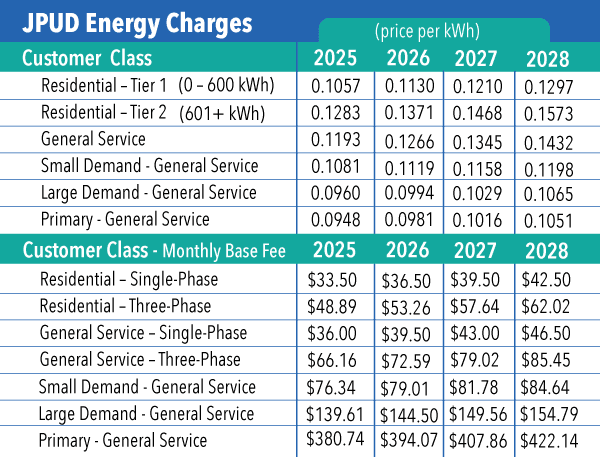
Understanding your electricity bill helps explain public power electric rates.
Energy Charge
This is the cost of the electricity you actually use, measured in kilowatt-hours (kWh).
Customer Charge
A fixed monthly fee that helps cover administrative and service costs.
Delivery Charge
The cost of transmitting electricity through the power grid.
Taxes and Fees
Local taxes, regulatory fees, or approved surcharges may be included depending on your location.
Why Electric Rates Change
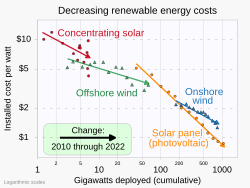
Electric rates are not always fixed. Utilities may periodically review pricing based on operational costs and regulatory decisions.
Common reasons include:
- Rising fuel prices
- Increased infrastructure investment
- Inflation
- Grid modernization
- Renewable energy projects
- Emergency system repairs
Many utilities adjust rates only after regulatory review or local approval processes.
Benefits of Public Power Utilities
Many communities choose public power because of several advantages.
Local Control
Decisions are made by local officials or governing boards.
Community Investment
Revenue is often reinvested into local infrastructure instead of being distributed as corporate profits.
Reliable Service
Many public utilities prioritize reliability and quick response during outages.
Customer Focus
Public utilities frequently provide educational programs, energy-saving resources, and customer assistance.
How to Compare Public Power Electric Rates
Before comparing utilities, consider:
- Price per kilowatt-hour
- Monthly fixed charges
- Time-of-use pricing
- Renewable energy options
- Customer satisfaction
- Reliability history
- Additional service fees
Looking beyond the advertised energy rate gives a more accurate picture of total electricity costs.
Tips to Lower Your Electricity Bill
Even if public power electric rates increase, you can reduce your monthly bill by improving energy efficiency.
Upgrade to LED Lighting
LED bulbs consume significantly less electricity than traditional bulbs.
Use Energy-Efficient Appliances
ENERGY STAR® certified appliances typically reduce electricity consumption.
Improve Home Insulation
Better insulation reduces heating and cooling costs throughout the year.
Adjust Your Thermostat
A programmable or smart thermostat can help reduce unnecessary energy use.
Unplug Idle Electronics
Many devices continue using electricity while in standby mode.
Schedule Heavy Appliance Use Wisely
Running dishwashers and washing machines during lower-demand periods may reduce costs where time-based pricing is available.
Renewable Energy and Public Power
Many public utilities are investing in cleaner energy sources.
Examples include:
- Solar power
- Wind energy
- Hydroelectric generation
- Battery storage
- Smart grid technology
These investments aim to improve long-term reliability while supporting sustainability goals.
Future Trends in Public Power Electric Rates
Electricity pricing continues to evolve with changes in technology and energy policy.
Future developments may include:
- Expanded smart meter deployment
- Greater renewable energy integration
- Electric vehicle charging programs
- Advanced grid modernization
- Dynamic pricing options
- Improved customer energy management tools
These changes may influence how electricity is priced and consumed over the coming years.
Who Should Understand Public Power Electric Rates?
Learning about electricity pricing benefits:
- Homeowners
- Apartment residents
- Small businesses
- Commercial property owners
- Property managers
- Local governments
- Schools and public institutions
Understanding rate structures helps consumers make informed energy decisions and better manage household or business expenses.
Conclusion
Public power electric rates determine how much consumers pay for reliable electricity supplied by community-owned utilities. These rates are influenced by fuel prices, infrastructure costs, electricity demand, maintenance, and regulatory requirements. Public power systems generally focus on delivering dependable service while reinvesting revenue into local communities rather than maximizing shareholder profits.
By understanding how electric bills are calculated, comparing rate structures, and adopting energy-efficient habits, consumers can better control their electricity costs regardless of future pricing changes. Staying informed about local utility updates can also help households and businesses plan for any adjustments in electric rates.
Frequently Asked Questions
What are public power electric rates?
They are the electricity prices charged by community-owned public utilities for supplying power to customers.
Why do public power electric rates change?
Rates may change because of fuel costs, infrastructure upgrades, electricity demand, and regulatory decisions.
Are public power utilities nonprofit?
Most public power utilities operate on a not-for-profit basis and typically reinvest revenue into local electric systems.
How can I lower my electric bill?
You can reduce electricity costs by using energy-efficient appliances, improving insulation, switching to LED lighting, and reducing unnecessary energy consumption.
Do public power utilities offer reliable service?
Many public power utilities focus on providing reliable service, maintaining infrastructure, and responding quickly to outages while serving their local communities.