


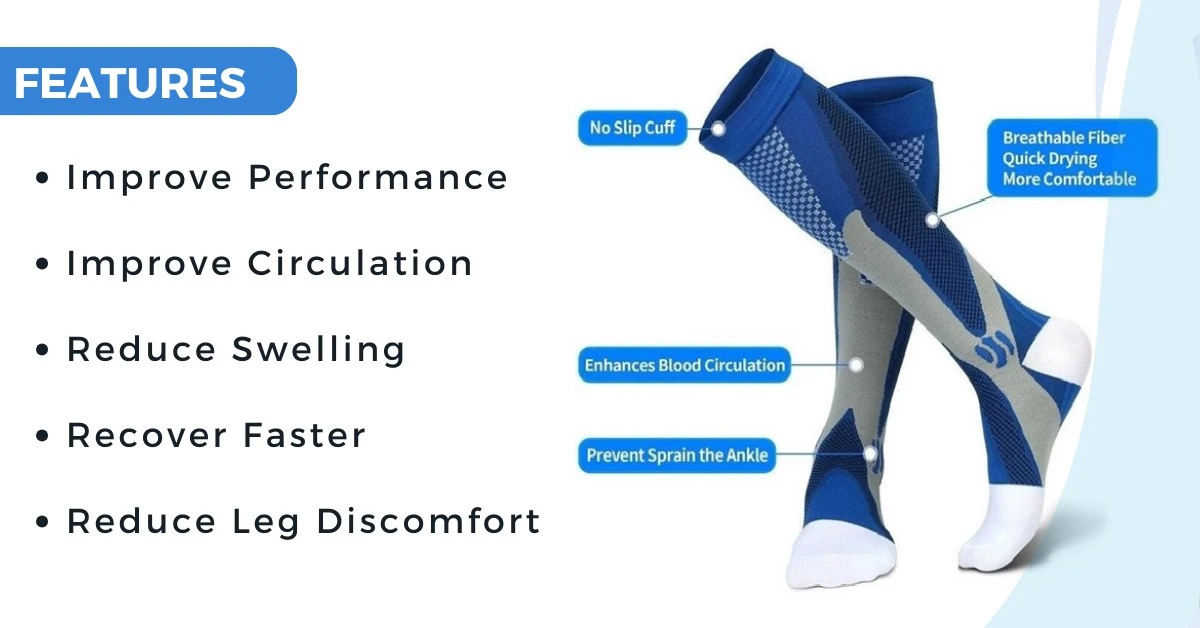
Compression socks have become increasingly popular among athletes, travelers, office workers, pregnant women, and people with circulation problems. These specialized socks are designed to gently apply pressure to the legs and ankles, helping improve blood flow and reduce discomfort. While many people once viewed compression socks as medical products only for older adults, they are now widely used by people of all ages for both health and comfort.
Whether you spend long hours standing, sit at a desk all day, travel frequently, or simply want healthier legs, compression socks can provide several benefits. In this article, we will explore what compression socks are, how they work, their major advantages, different types, and how to choose the right pair for your lifestyle.
What Are Compression Socks?
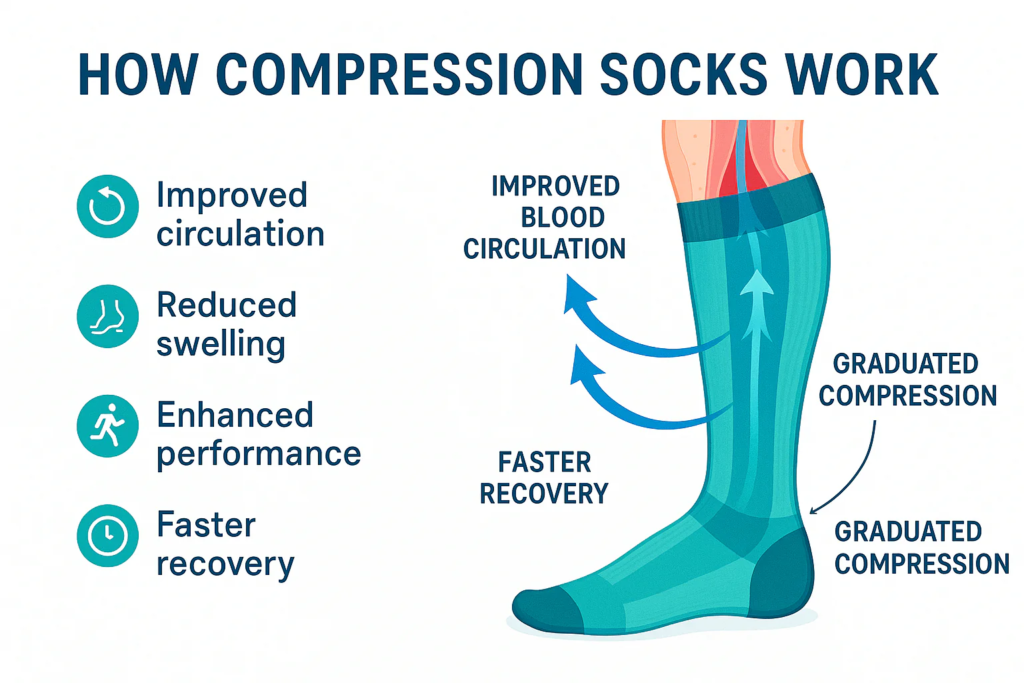
Compression socks are specially designed socks that apply gentle pressure to the legs, ankles, and feet. The pressure is strongest near the ankle and gradually decreases as it moves upward toward the calf. This design helps blood move more efficiently back toward the heart.
Unlike ordinary socks, compression socks are made with elastic materials that fit snugly around the legs. They are available in various lengths, styles, colors, and compression levels. Some are designed for sports performance, while others are intended for medical or everyday use.
Doctors often recommend compression socks for people with circulation problems, swelling, or varicose veins. However, many healthy individuals also wear them to reduce fatigue and improve comfort during daily activities.
How Compression Socks Work
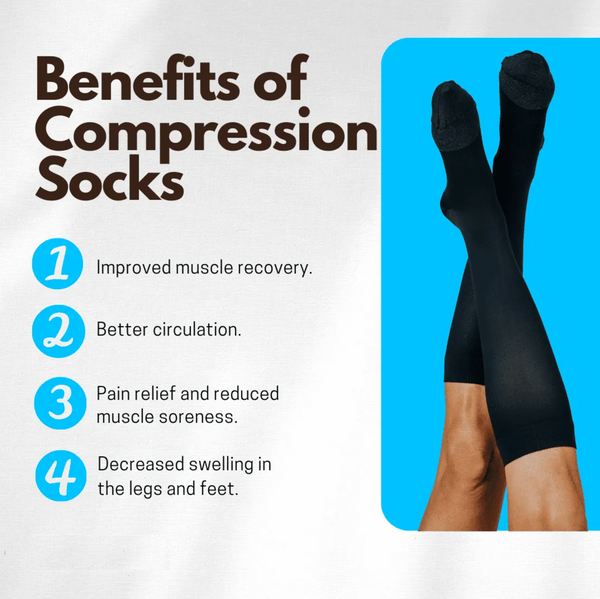
The main purpose of compression socks is to improve blood circulation. Normally, blood flows from the heart to the legs and back again. Sometimes, gravity and poor circulation can cause blood to collect in the lower legs. This may lead to swelling, discomfort, fatigue, or vein problems.
Compression socks gently squeeze the veins and muscles in the legs. This pressure helps veins work more effectively and encourages blood to move upward. Better circulation means more oxygen reaches the muscles, which can reduce soreness and swelling.
The graduated pressure design is especially important because it supports natural blood flow. The strongest pressure at the ankle gradually decreases toward the knee, helping prevent blood from pooling in the lower legs.
Benefits of Compression Socks
Improved Blood Circulation
One of the biggest advantages of compression socks is improved circulation. Better blood flow can reduce leg fatigue and support overall leg health. This benefit is especially useful for people who sit or stand for long periods.
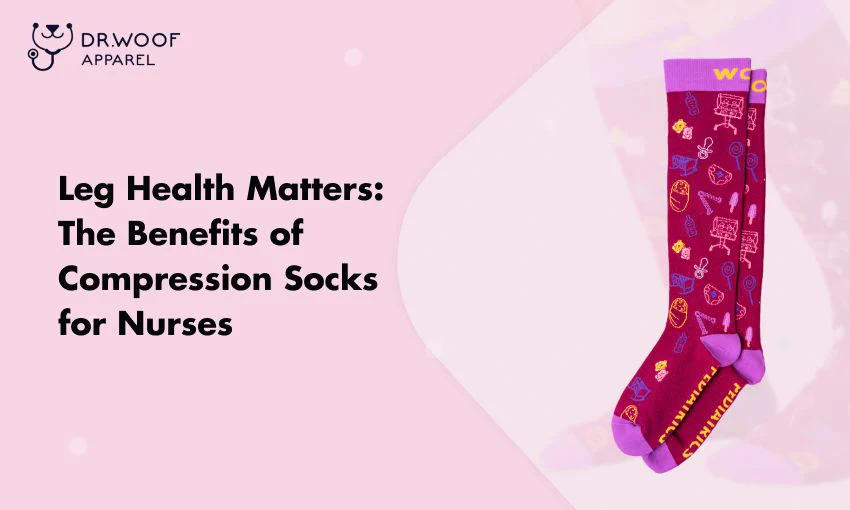
Office workers, nurses, teachers, retail employees, and factory workers often experience tired legs after long shifts. Compression socks can help keep blood moving properly and reduce discomfort throughout the day.
Reduced Swelling
Swelling in the feet and ankles is common after long travel, pregnancy, or standing for many hours. Compression socks help minimize swelling by preventing fluid buildup in the lower legs.
Many travelers wear compression socks during long flights because sitting for extended periods can cause swelling and poor circulation. Wearing compression socks during travel may help legs feel lighter and more comfortable.
Relief from Leg Pain and Fatigue
People who experience aching legs or muscle soreness often find relief with compression socks. The supportive pressure can reduce muscle vibration and improve stability during movement.
Athletes frequently use compression socks during exercise and recovery. Runners, cyclists, and gym enthusiasts may wear them to reduce muscle fatigue and improve recovery time after workouts.
Support for Varicose Veins
Varicose veins are enlarged veins that often appear twisted and swollen. They commonly develop in the legs due to poor circulation and increased pressure in the veins.
Compression socks can help manage symptoms of varicose veins by supporting healthy blood flow. They may reduce discomfort, swelling, and the heavy feeling often associated with vein problems.
Lower Risk of Blood Clots
Doctors sometimes recommend compression socks to reduce the risk of deep vein thrombosis (DVT), a condition involving blood clots in the legs. Long periods of immobility, such as during surgery recovery or long-distance travel, can increase this risk.
Compression socks help encourage circulation and may lower the chance of blood pooling in the veins.
Types of Compression Socks
Graduated Compression Socks
These are the most common type of compression socks. They provide the highest pressure near the ankle and gradually decrease pressure higher up the leg. Graduated compression socks are often used for medical purposes and daily wear.
Anti-Embolism Compression Socks
These socks are mainly designed for people recovering from surgery or confined to bed for long periods. They help reduce the risk of blood clots during recovery.
Non-Medical Support Socks
These socks offer mild compression and are commonly used for comfort, travel, sports, and work. They are widely available without a prescription and are suitable for everyday use.
Who Should Wear Compression Socks?
Compression socks can benefit many people in different situations.
Office Workers
Sitting for long hours at a desk can slow circulation and lead to swollen feet or tired legs. Compression socks help maintain healthy blood flow throughout the workday.
Travelers
Long flights and road trips can increase swelling and discomfort in the legs. Compression socks are a popular choice for travelers who want more comfort during extended journeys.
Athletes
Athletes often use compression socks to support muscle performance and recovery. They may help reduce muscle soreness after intense physical activity.
Pregnant Women
Pregnancy can place extra pressure on the veins, causing swelling and discomfort in the legs. Compression socks may help reduce these symptoms and improve comfort.
People with Medical Conditions
Individuals with circulation issues, varicose veins, diabetes, or chronic swelling may benefit from medical-grade compression socks recommended by a healthcare provider.
Choosing the Right Compression Socks
Selecting the correct compression socks is important for comfort and effectiveness.
Compression Level
Compression socks come in different pressure levels measured in mmHg (millimeters of mercury).
- Mild compression: Ideal for everyday comfort and travel
- Moderate compression: Often used for swelling and mild vein problems
- Firm compression: Usually recommended for medical conditions
It is best to consult a healthcare professional if you need higher compression levels.
Size and Fit
Proper sizing is essential. Compression socks should feel snug but not painfully tight. Measurements are usually based on ankle size, calf circumference, and leg length.
Wearing the wrong size may reduce effectiveness and cause discomfort.
Material
Compression socks are made from materials such as nylon, spandex, cotton blends, and moisture-wicking fabrics. Breathable fabrics are ideal for sports and all-day wear.
Length
Compression socks are available in different lengths, including ankle, calf-high, and thigh-high styles. Calf-high socks are the most common option for daily use.
Tips for Wearing Compression Socks
- Put them on in the morning before swelling begins
- Smooth out wrinkles to avoid discomfort
- Wash them regularly to maintain elasticity
- Replace worn-out socks when they lose compression strength
- Avoid folding the top band because it may restrict circulation
Are Compression Socks Safe?
Compression socks are generally safe for most people. However, individuals with certain medical conditions, such as severe peripheral artery disease or skin infections, should consult a doctor before using them.
It is also important not to wear overly tight socks that cause pain or numbness. Proper fit and correct compression levels are essential for safe use.
Common Myths About Compression Socks
Only Older Adults Need Them
This is a common misconception. People of all ages use compression socks for sports, work, travel, and daily comfort.
They Are Uncomfortable
Modern compression socks are designed with soft, breathable materials that provide comfort throughout the day.
They Are Only for Medical Use
While compression socks are often recommended medically, many people wear them simply to reduce fatigue and improve comfort.
Conclusion
Compression socks are a practical and effective solution for improving circulation, reducing swelling, and supporting overall leg health. From athletes and travelers to office workers and pregnant women, many people benefit from wearing them regularly.
With different styles, materials, and compression levels available, it is easier than ever to find the perfect pair for your needs. Whether you want more comfort during long workdays or better recovery after exercise, compression socks can make a noticeable difference in how your legs feel.
Investing in quality compression socks may help you stay active, comfortable, and supported every day.
FAQs About Compression Socks
1. What are compression socks used for?
Compression socks are used to improve blood circulation, reduce swelling, and support leg comfort.
2. Can I wear compression socks every day?
Yes, many people wear compression socks daily for work, travel, sports, or medical support.
3. Do compression socks help with swelling?
Yes, they help reduce fluid buildup and minimize swelling in the feet and legs.
4. Are compression socks good for travel?
Yes, they are commonly worn during long flights or road trips to improve circulation and reduce discomfort.
5. How tight should compression socks feel?
Compression socks should feel snug and supportive but not painful or excessively tight.