

The retail grocery industry has always been an essential part of the economy, and many investors continue to search for stable opportunities within this sector. One term that often appears in online searches is “stop and shop stock.” Investors, market enthusiasts, and everyday consumers are curious about whether Stop & Shop has a stock symbol, how the company performs financially, and whether investing in grocery chains is a smart long-term decision.
In this article, we will explore everything you need to know about stop and shop stock, including the company’s ownership structure, investment potential, market trends, competition, and future outlook. Whether you are a beginner investor or someone researching retail stocks, this guide will provide useful and easy-to-understand information.
What Is Stop & Shop?
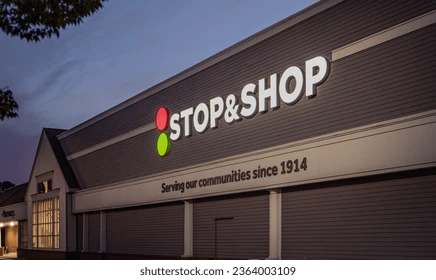
Stop & Shop is a well-known supermarket chain operating mainly in the northeastern United States. The company has been serving customers for more than a century and has built a reputation for offering groceries, household items, fresh produce, and pharmacy services. Stop & Shop stores are commonly found in states such as New York, Massachusetts, Connecticut, Rhode Island, and New Jersey.
The brand is recognized for convenience, competitive pricing, and loyalty programs that help customers save money on groceries and fuel purchases. Over the years, the supermarket industry has changed significantly because of online shopping, delivery services, and increasing consumer demand for healthier food options.
Many people search for stop and shop stock because they assume the supermarket chain is publicly traded. However, the ownership structure is slightly different from what most investors expect.
Does Stop & Shop Have a Public Stock?

One of the most important things to understand about stop and shop stock is that Stop & Shop itself is not independently traded on the stock market. Instead, the company is owned by Ahold Delhaize, a large international grocery retail corporation.
Ahold Delhaize trades publicly under the ticker symbol “ADRNY” in the United States and “AD” on Euronext Amsterdam. Because Stop & Shop is a subsidiary, investors interested in stop and shop stock are technically investing in the parent company rather than the grocery chain directly.
This distinction matters because Ahold Delhaize owns several brands besides Stop & Shop, including:
- Food Lion
- Giant Food
- Hannaford
- Delhaize
- Albert Heijn
As a result, the company’s stock performance depends on the overall success of all these retail brands combined.
Why Investors Are Interested in Stop and Shop Stock
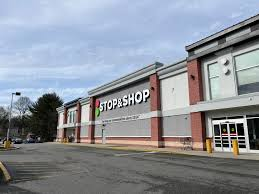
The grocery sector is often considered a defensive investment category. People need food and household essentials regardless of economic conditions, which makes supermarket businesses relatively stable compared to some other industries.
There are several reasons investors look into stop and shop stock:
Stable Consumer Demand
Grocery stores provide essential goods that customers purchase regularly. Even during economic downturns, supermarkets continue to generate revenue because food remains a necessity.
Consistent Cash Flow
Retail grocery companies often produce predictable cash flow. This allows parent companies like Ahold Delhaize to pay dividends and reinvest in technology, store improvements, and online shopping systems.
Growth in Online Grocery Shopping
Online grocery delivery has become increasingly popular. Companies that successfully adapt to digital shopping trends may experience long-term growth opportunities.
Strong Brand Recognition
Stop & Shop has operated for decades and maintains strong customer loyalty in many northeastern states. A recognizable brand can provide a competitive advantage in crowded retail markets.
Challenges Facing Stop and Shop Stock
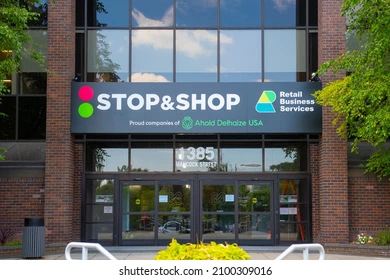
Although the grocery industry offers stability, it also faces several challenges that investors should consider before buying shares connected to stop and shop stock.
Competition From Major Retailers
Supermarkets face intense competition from companies such as:
- Walmart
- Costco
- Target
- Amazon
These retailers often use aggressive pricing strategies and advanced delivery systems to attract customers.
Rising Operating Costs
Inflation, employee wages, transportation costs, and supply chain disruptions can affect profit margins in the grocery business. Retailers must balance competitive pricing with profitability.
Changing Consumer Preferences
Modern consumers increasingly prefer organic foods, healthier products, and online shopping convenience. Grocery chains must continuously evolve to meet these expectations.
Labor and Union Issues
Large supermarket chains sometimes face labor disputes and staffing challenges. These issues can impact store operations and customer satisfaction.
How Ahold Delhaize Performs in the Market
Since stop and shop stock is tied to Ahold Delhaize, investors should evaluate the parent company’s overall performance. Ahold Delhaize has generally maintained steady revenue growth due to its diversified grocery portfolio and strong international presence.
The company has invested heavily in:
- Digital grocery platforms
- Home delivery services
- Store modernization
- Data-driven customer loyalty programs
- Supply chain efficiency
These investments aim to help the company compete with both traditional supermarkets and e-commerce giants.
Another attractive factor for investors is dividends. Grocery companies often pay regular dividends because of their stable cash flow. Income-focused investors may appreciate the consistent returns provided by established retail corporations.
The Future of Stop and Shop Stock
The future outlook for stop and shop stock depends on several industry trends and company strategies.
Expansion of E-Commerce
Online grocery shopping continues to grow worldwide. Companies that improve delivery speed, mobile apps, and pickup services may strengthen customer loyalty.
Technology Integration
Artificial intelligence, automated warehouses, and digital payment systems are changing the retail experience. Supermarket chains investing in technology may improve efficiency and reduce costs.
Sustainability Initiatives
Consumers increasingly care about environmentally friendly business practices. Grocery retailers are responding by reducing plastic waste, improving energy efficiency, and supporting sustainable sourcing.
Inflation and Consumer Spending
Economic conditions will continue to influence grocery prices and consumer behavior. During periods of inflation, shoppers often become more price-sensitive, which can affect store profitability.
Is Stop and Shop Stock a Good Investment?
Whether stop and shop stock is a good investment depends on an investor’s financial goals, risk tolerance, and market strategy.
For conservative investors, grocery-related stocks may provide stability and reliable dividend income. The supermarket industry generally experiences less volatility than technology or speculative growth sectors.
However, investors seeking rapid stock price growth may find grocery companies less exciting because profit margins are usually lower than in high-growth industries.
Before investing, it is important to research:
- Revenue growth
- Earnings reports
- Dividend history
- Market competition
- Long-term business strategy
Diversification is also important. Instead of relying solely on one retail stock, many investors spread their money across multiple sectors.
Comparing Grocery Stocks
When researching stop and shop stock, investors often compare it with other grocery and retail companies. Some major names include:
- Kroger
- Walmart
- Costco
- Albertsons
Each company has different strengths. For example:
- Walmart benefits from massive scale and low prices.
- Costco thrives on membership loyalty.
- Kroger focuses heavily on grocery innovation and digital sales.
- Ahold Delhaize offers international diversification.
Comparing financial statements and growth strategies can help investors make informed decisions.
Dividend Potential of Grocery Stocks
Dividend investing is another reason people explore stop and shop stock opportunities. Many grocery retailers distribute profits to shareholders through regular dividend payments.
Dividend stocks can provide:
- Passive income
- Portfolio stability
- Long-term compounding returns
Ahold Delhaize has historically maintained dividend payments while also investing in business growth. For income-focused investors, this balance can be attractive.
Risks Investors Should Understand
No investment is completely risk-free, and grocery stocks are no exception. Investors should understand possible risks such as:
- Economic slowdowns
- Inflation pressure
- Supply chain disruptions
- Intense retail competition
- Changing shopping habits
Retail companies must constantly adapt to survive in a highly competitive environment.
Final Thoughts on Stop and Shop Stock
The topic of stop and shop stock continues to attract attention because consumers recognize the supermarket brand and associate it with everyday shopping. While Stop & Shop itself is not independently traded, investors can gain exposure through its parent company, Ahold Delhaize.
The grocery industry offers stability, consistent demand, and dividend potential, making it appealing for long-term investors. However, competition, rising costs, and changing consumer habits remain important challenges.
For anyone considering an investment related to stop and shop stock, careful research and portfolio diversification are essential. Understanding the company’s ownership structure, market position, and long-term strategy can help investors make smarter financial decisions.
FAQ About Stop and Shop Stock
1. Is Stop & Shop publicly traded?
No, Stop & Shop is not publicly traded independently. It is owned by Ahold Delhaize.
2. What stock symbol is connected to Stop & Shop?
Investors usually look at Ahold Delhaize stock, which trades under ADRNY in the United States.
3. Is the grocery industry good for investing?
The grocery industry is often considered stable because consumers always need food and household essentials.
4. Does Ahold Delhaize pay dividends?
Yes, Ahold Delhaize has historically paid dividends to shareholders.
5. What are the biggest risks for grocery stocks?
Competition, inflation, supply chain problems, and changing consumer habits are major risks.